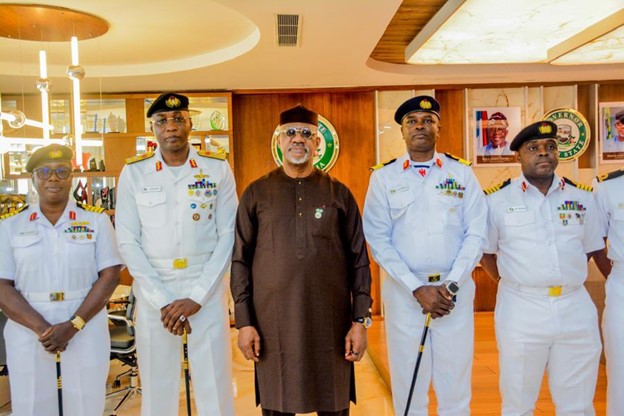

Nigeria’s President Bola Ahmed Tinubu recently approved the start of commercial oil drilling at Tongeji Island in Ipokia Local Government Area of Ogun State and cleared the long-stalled Olokola Deep Seaport for immediate take-off; two decisions announced in Abeokuta on January 22 by Governor Dapo Abiodun after a meeting with the Flag Officer Commanding, Western Naval Command, Rear Admiral Abubakar Abdullahi Mustapha. This could redraw Ogun’s economic map while reopening hard questions about coastal livelihoods, security and environmental oversight.
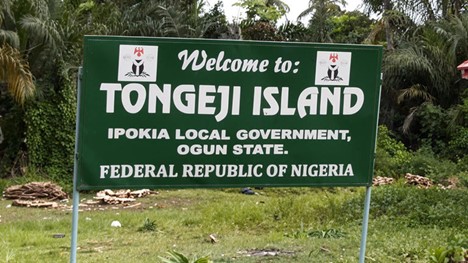
For Ogun, the oil approval carries a political weight that goes beyond a new line of business. Abiodun said drilling at Tongeji Island positions the state to join Nigeria’s oil-producing states, a status that can influence federal revenue flows. According to TheCable, Abiodun linked the project to eligibility for the 13 per cent derivation allocation paid to oil-producing states, an incentive that has shaped subnational politics in the Niger Delta for decades.
Tongeji Island sits close to Nigeria’s western maritime boundary, where security and commerce overlap. Abiodun credited the Nigerian Navy with upgrading its presence on the island to a Forward Operations Base, arguing that tighter patrols would curb infiltration across the border with Benin and protect emerging economic activity around the coastline.
Nigeria is currently trying to stabilise oil production and attract investment into its upstream sector, but the decision also lands on communities that have watched the Niger Delta live with the costs of extraction, pollution, compensation disputes and contested clean-up obligations.

The governor’s announcement, however, left key safeguards unresolved. None of the reports that followed clarified who will operate the oil field, the scale and timeline of production, or whether environmental impact assessments have been completed; details that will shape whether Ogun’s coastal communities benefit through jobs and public services, or face the more familiar outcome in which economic value flows outward while environmental risk remains local.
Alongside oil, President Tinubu’s approval for the Olokola Deep Seaport project, now renamed the Blue Marine Economic Zone, revives an infrastructure proposal that has lingered for years in Nigeria’s maritime planning. Abiodun told visiting naval officers that the port’s take-off had been cleared and that it would help decongest the Lagos ports while opening “massive economic opportunities” for coastal communities.
The Guardian reported the renaming and the state’s argument that a functional deep seaport on Ogun’s coastline could relieve Apapa and Tin Can congestion by creating an alternative gateway for cargo and industrial logistics.
Outside government, there is also a strategic case for another deep-water facility on Nigeria’s Atlantic corridor, especially as West African trade routes adjust to bigger container vessels and more integrated regional supply chains. Ecofin Agency, reporting on the approval, framed the Ogun project as part of Nigeria’s broader push to expand port capacity beyond Lagos and ease choke points that inflate the cost of moving goods.

The combined promise of oil and a major seaport also brings sustainability trade-offs into sharper focus. Ports can generate jobs and local enterprise, yet they also reshape fragile coastlines through dredging, land reclamation, and increased ship traffic, with knock-on effects for fisheries and mangroves. Oil operations introduce additional spill risk in a marine environment where response capacity and liability enforcement have historically lagged behind the pace of extraction.
For a state pitching itself as the next logistics and energy frontier, credibility will rest on whether regulators insist on transparent environmental studies, baseline data for coastal ecosystems, and enforceable community benefit agreements rather than assurances delivered after the fact.
Governor Abiodun has said the state is working to provide basic amenities for residents of Tongeji Island as activity expands, an acknowledgement that infrastructure and public services in many coastal settlements remain thin even when they sit beside high-value assets. Capital Digest Daily News and Vanguard both carried the governor’s comments about improving living conditions on the island in parallel with security upgrades, suggesting the state knows local buy-in will matter as drilling begins
Engage with us on LinkedIn: Africa Sustainability Matters