


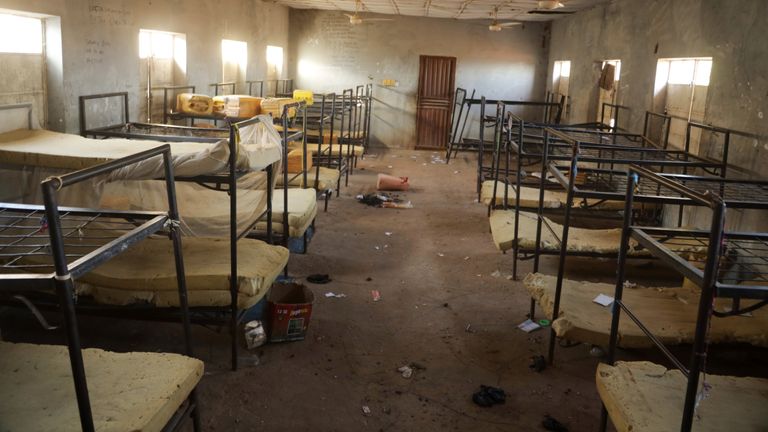
Protesters in the North Eastern Nigerian city of Maiduguri have called for urgent government action to address a resurgence of attacks on schools and student abductions, underscoring growing concerns that insecurity continues to undermine education, economic development and social stability across parts of the country. The demonstrations come amid renewed reports of mass kidnappings targeting students and teachers in several Nigerian states, reviving fears that gains made against armed groups over the past decade remain fragile.
The concerns are particularly acute in Borno State, the epicentre of Nigeria’s 17-year insurgency involving Boko Haram and affiliated militant groups. Residents, educators and civil society representatives argue that schools remain vulnerable despite years of military operations and international support aimed at restoring security in conflict affected communities.
The latest wave of anxiety follows a series of high-profile school abductions reported during the final months of 2025. In November, approximately 24 schoolgirls were reportedly abducted in Kebbi State, while another incident in Niger State involved the kidnapping of around 300 students and several teachers. These attacks attracted renewed international attention and highlighted the continuing threat posed by armed groups that view educational institutions as strategic targets.
For many Nigerians, the incidents evoke memories of one of Africa’s most notorious school attacks. In April 2014, Boko Haram abducted 276 girls from a secondary school in Chibok, Borno State, an event that triggered global outrage and brought international scrutiny to the security situation in North Eastern Nigeria. While many of the girls were eventually released, the incident became a symbol of the devastating human and developmental consequences of prolonged insecurity.
 According to education advocates and local community leaders, repeated attacks on schools have effects that extend far beyond immediate casualties or abductions. Families often withdraw children from school due to safety concerns, while teachers become increasingly reluctant to work in high-risk areas. This disruption contributes to lower educational attainment, reduced workforce development and widening social inequalities, particularly in regions already affected by poverty and displacement.
Teacher Kaumi Usman, speaking during the demonstrations in Maiduguri, urged authorities to respond more decisively to protect students and reassure affected families. His appeal reflects broader concerns among educators who argue that school security has become inseparable from national development planning.
The challenge carries significant implications for Africa’s largest economy. Education remains a critical driver of productivity, human capital development and long-term economic growth. Persistent attacks on schools can weaken future labour markets, reduce opportunities for young people and limit the effectiveness of public investments in education infrastructure.
The economic consequences are particularly pronounced in Northern Nigeria, where communities continue to recover from years of conflict. According to development analysts, insecurity discourages private investment, disrupts agricultural production and increases public expenditure on emergency response and security operations. These pressures can divert resources away from healthcare, infrastructure and social services that are essential for sustainable development.
School-related insecurity also intersects with broader demographic and governance challenges. Nigeria has one of the world’s youngest populations, with millions of young people entering the labour market each year. Expanding access to quality education is widely viewed as essential to harnessing this demographic potential. Continued disruption of schooling risks creating gaps in skills development that could affect economic competitiveness and social cohesion over the long term.
Regional implications are equally significant. Cross-border insurgent activity and displacement have affected neighbouring countries in the Lake Chad Basin, including Chad, Cameroon and Niger. Efforts to improve educational access and economic resilience across the region depend heavily on sustained security and institutional stability.
While Nigerian authorities have increased military operations against armed groups and expanded security measures around some educational facilities, recurring incidents suggest that vulnerabilities remain. Analysts note that long-term solutions will likely require a combination of security interventions, community engagement, economic opportunities and strengthened public services in affected regions.
 For Africa, Nigeria’s experience highlights the close relationship between security, education and development. Schools are not only centeres of learning but also foundations of economic participation, social mobility and institutional resilience. When educational systems come under sustained threat, the effects are felt across communities, labour markets and national economies.
As families in Maiduguri and other affected regions await answers about the safety of their children, the broader challenge facing policymakers is how to ensure that educational institutions remain protected spaces capable of supporting development in areas recovering from conflict. The effectiveness of those efforts will influence not only educational outcomes but also the prospects for long-term stability and economic transformation across northern Nigeria and the wider region.


