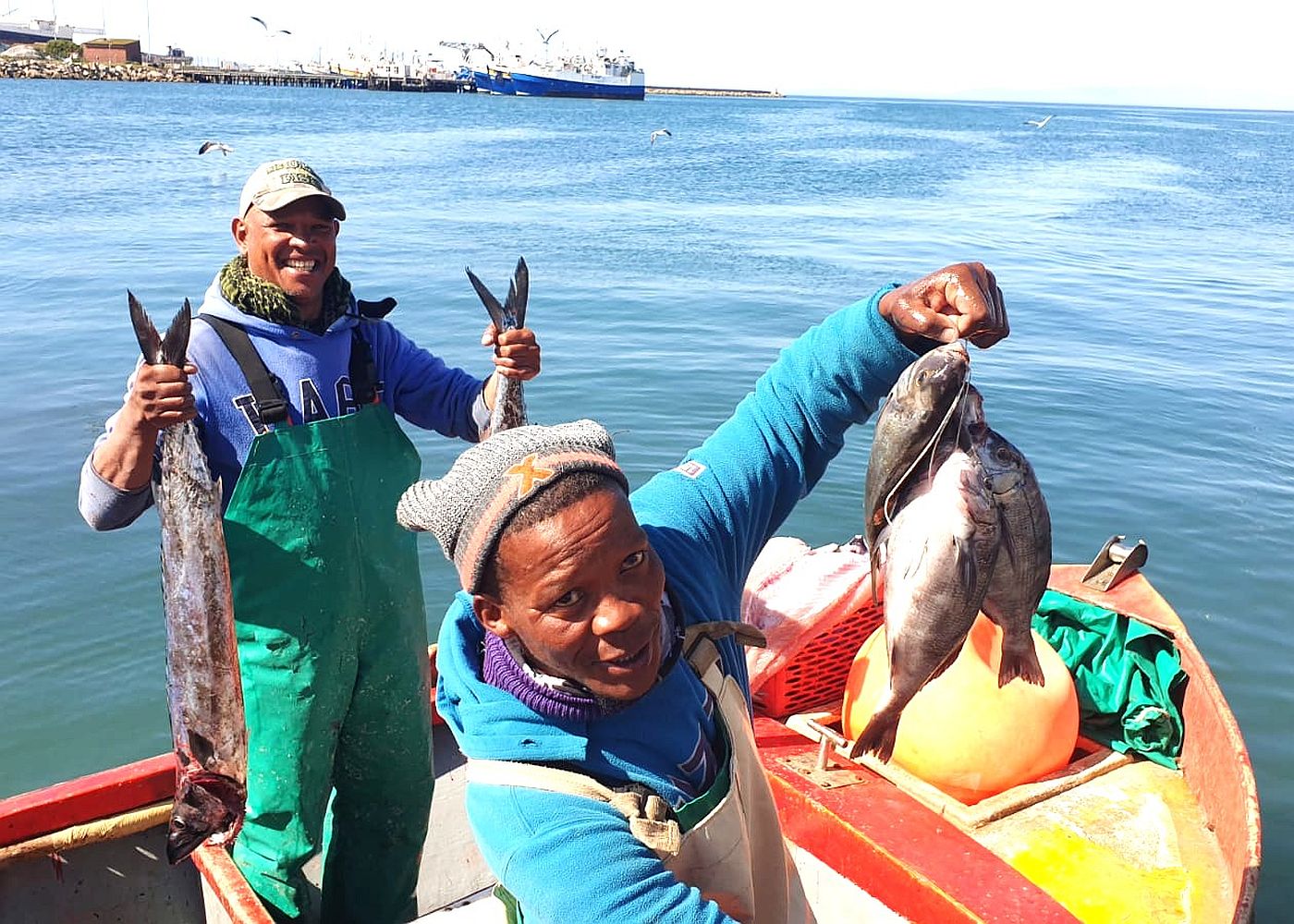

South Africa’s small-scale fishing communities recently urged the South African Human Rights Commission (SAHRC) to confront structural inequality in the country’s food system, warning that thousands of coastal households remain food insecure despite contributing directly to national food production.
In a formal submission dated 30 January 2026 to the Commission’s National Investigative Hearing into South Africa’s Food Systems, environmental justice organisation The Green Connection argued that policy failures, weak governance and market concentration continue to marginalise small-scale fishers.
The SAHRC inquiry, with written submissions extended to 27 February and hearings scheduled for March during Human Rights Month, will examine power concentration in food value chains, affordability, access, tenure security and the constitutional right to food. For coastal communities along South Africa’s 3,000-kilometre shoreline, stretching from Namibia to Mozambique, the outcome has direct implications for livelihoods, income stability and cultural identity.
Read also: South Africa reports 16% decline in Rhino poaching in 2025, Kruger National Park remains vulnerable
According to research cited in the submission, including a 2019 academic study, approximately 28,000 small-scale fishers depend on marine resources for food security and livelihoods. Many still struggle to access markets or secure fair prices. Fishers report declining nearshore access, shorter seasons and competition from industrial operators with greater capital and regulatory influence.
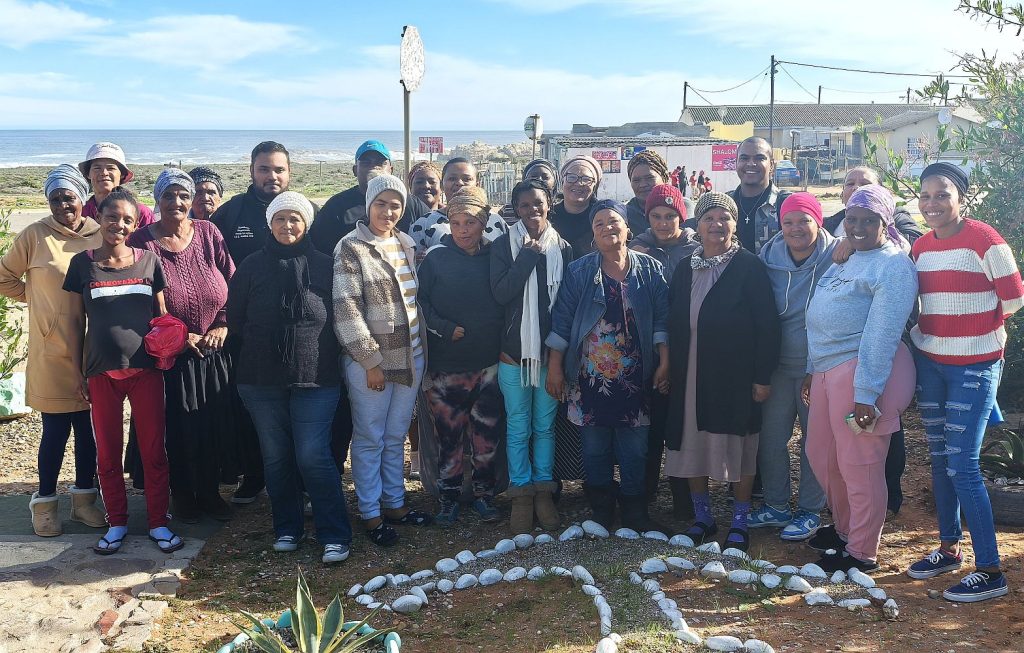
Walter Steenkamp of the Aukotowa Small-Scale Fishers Co-operative in Port Nolloth said lobster prices have fallen to levels that leave little net income after transport and packaging costs. “Last year many of us had no income at all,” he said, describing the financial strain on Northern Cape communities. Similar concerns were raised in Saldanha Bay, where fishers say allocations may have increased on paper but effective access to viable fishing grounds has narrowed.
The Commission’s review comes against a broader backdrop of inequality in South Africa’s food economy. Despite producing sufficient calories at national level, the country faces persistent hunger and high food inflation, with low-income households disproportionately affected. Market concentration in retail and processing has been widely documented, and the Competition Commission has previously identified structural barriers facing small producers in agriculture and fisheries.
For small-scale fishers, governance gaps compound economic pressures. The Green Connection submission highlights shortcomings in the implementation of the Small-Scale Fisheries Policy, limited consultation in decision-making and inadequate infrastructure such as cold storage and direct market access. Women, who account for less than 30 per cent of participants in the sector, remain under-recognised in permit allocations, according to community testimonies.
In Doring Bay, fisher women reported two consecutive years without income after crayfish permit allocations were halted. In the Eastern Cape, members of the Moeg Gesukkel Visserye co-operative said they depend heavily on squid permits but receive only a small share of catches dominated by commercial operators. Court disputes over a 10 per cent allocation for small-scale fishers underscore tensions between community-based and industrial interests.
The inquiry also intersects with South Africa’s ocean economy strategy under Operation Phakisa, launched in 2014 to accelerate offshore oil and gas development. The Green Connection warned that seismic surveys, drilling and increased shipping activity could disrupt fish stocks and restrict access to traditional grounds, with consequences for both food security and local economies. For communities already facing declining stocks and climate variability, additional industrial pressure may heighten vulnerability.
From a public finance perspective, small-scale fisheries represent more than subsistence activity. They contribute to local economic circulation, employment and nutritional security in regions where alternative livelihoods are limited. Weakening the sector could increase reliance on social grants and heighten rural-urban migration pressures.
The SAHRC’s mandate to assess food systems through a human rights lens therefore carries institutional significance. Transparent governance, meaningful consultation and equitable market access could help stabilise coastal economies while reinforcing constitutional guarantees. Conversely, failure to address structural exclusion risks entrenching inequality within a food system that, in aggregate terms, produces sufficient supply.
For South Africa and other African coastal states grappling with similar tensions between industrial expansion and community-based food systems, the hearing offers a test of whether regulatory frameworks can reconcile growth objectives with social equity. The experiences presented to the Commission suggest that without targeted reforms in permits, infrastructure, pricing power and participation, small-scale fishers may remain peripheral in a system they help sustain
Engage with us on LinkedIn: Africa Sustainability Matters