
The global tourism industry has taken a bold step toward a more sustainable future. On 31 March 2026, coinciding with the International Day of Zero Waste, the United Nations Environment Programme (UNEP) and UN Tourism jointly launched “Recipe of Change”, a pioneering global initiative designed to measure, reduce, and ultimately eliminate food waste across the hospitality and tourism sector. For Africa, where tourism is a cornerstone of economic growth and environmental stewardship, this development carries profound implications.
According to UNEP and UN Tourism, the initiative is backed by some of the world’s largest hospitality brands, which collectively serve over 600 million guests annually and generate more than USD 56.5 billion in combined annual revenue. The ambition is straightforward but transformative: mobilise the sector at scale to prevent food waste, reshape consumer behaviour, and accelerate the shift toward sustainable food systems.

“2.3 billion people experience food insecurity every single day. With food wastage contributing up to 10% of global greenhouse gases, we must take decisive action.” ~ Shaikha Al Nuwais, Secretary-General of UN Tourism
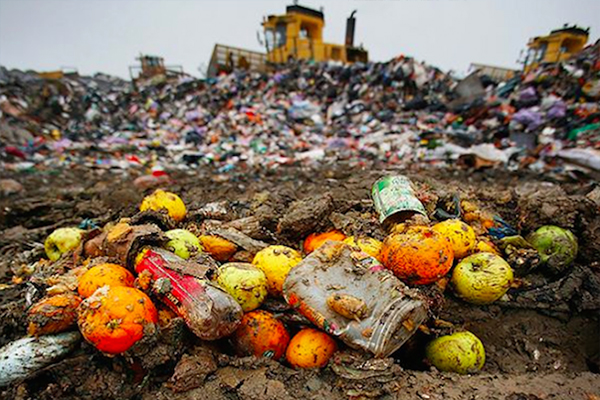
Food waste is not merely a logistical inconvenience, it is a climate emergency in its own right. The UN Environment Programme reports that food loss and waste generate between 8–10% of global greenhouse gas emissions nearly five times the emissions produced by the entire aviation industry. More alarming still, food waste alone accounts for up to 14% of global methane emissions, a gas 84 times more potent than CO₂ over a 20-year period.
The human cost is equally staggering. While over one billion tonnes of food are wasted annually representing 19% of all food available to consumers, hundreds of millions of people continue to face hunger. Households alone account for 60% of this waste, with food service (28%) and retail (12%) making up the remainder. The tourism sector, with its vast buffets, banquets, and all-inclusive offerings, sits squarely in the food service category and has historically been a significant contributor to the problem.
Read also: Kenya strengthens livestock disease detection to safeguard farmers, food security and public health
At its core, Recipe for Change focuses on three interconnected pillars: measuring food waste within tourism operations, redesigning menus and procurement systems to reduce waste at source, and encouraging lasting behavioural change among consumers. The initiative is explicitly aligned with Sustainable Development Goal 12.3, which calls for halving global food waste by 2030.
The initiative was unveiled at a Global Roundtable on Zero Waste Day, bringing together tourism leaders to accelerate collective action. The forum acknowledged that food waste reduction holds dual benefits: not only does it cut emissions, but it also lowers operational costs and builds resilience against supply chain disruptions making the business case as compelling as the environmental one.
For the African continent, this initiative arrives at a critical moment. Kenya’s tourism sector, one of the country’s largest foreign exchange earners, is deeply entwined with its environmental identity. The Maasai Mara, Amboseli, and the Kenyan coast attract millions of visitors annually, many of whom are drawn specifically by Kenya’s commitment to conservation and sustainable travel.
Kenya’s own waste management landscape provides important context. According to NEMA (National Environment Management Authority), Nairobi alone generates between 2,000 and 2,500 tonnes of waste daily, of which 80% is organic. Yet only 45% of this waste is currently recycled, reused, or transformed far below NEMA’s 80% target. The convergence of this domestic waste challenge with the global Recipe of Change initiative presents a significant opportunity for Kenya’s hospitality sector to lead on the continent.
“In a time of accelerating climate change, growing deforestation, water scarcity, spreading land degradation and rising food prices, we cannot afford to waste precious resources.” ~ UN Secretary-General António Guterres, International Day of Zero Waste 2026
The Recipe of Change has been written. Now Africa’s tourism sector must decide whether it will help cook it.
Engage with us on LinkedIn: Africa Sustainability Matters