


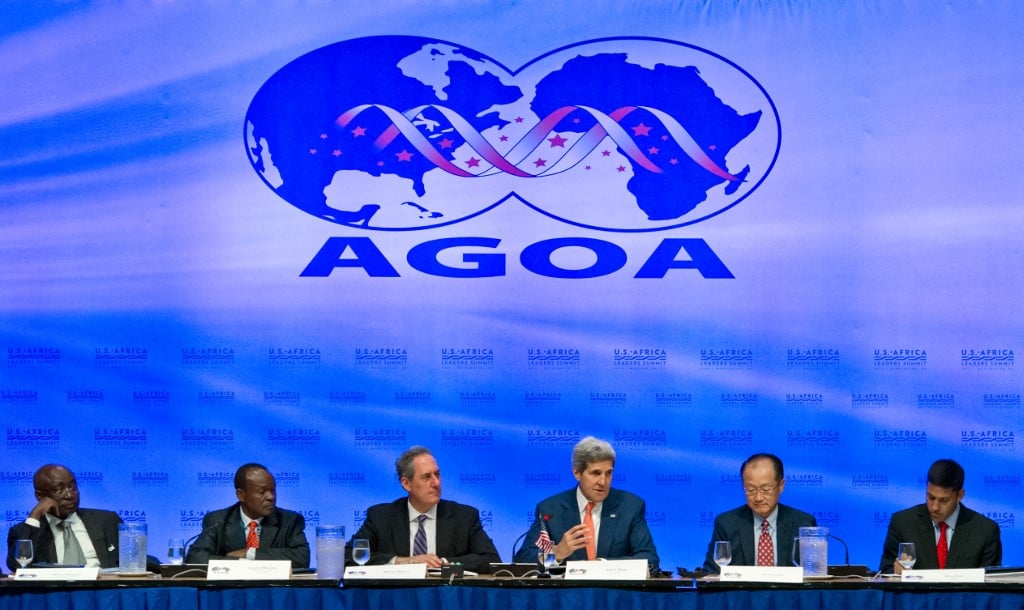
U.S. agricultural industry groups are urging Washington to use the African Growth and Opportunity Act (AGOA) as leverage to pressure African governments into adopting more permissive regulations on genetically modified crops, opening a new dimension in trade relations between the United States and sub-Saharan Africa as the continent seeks to balance food security, export competitiveness and regulatory sovereignty.
In a letter submitted on May 15 to the Office of the U.S. Trade Representative, a coalition of 15 American agricultural organisations, including the National Corn Growers Association and the American Farm Bureau Federation, called on the Trump administration to make agricultural biotechnology policy a central condition in determining African countries’ continued eligibility for AGOA trade preferences.
The groups argued that restrictive biotechnology regulations across much of Africa are limiting market access for U.S. agricultural exports, particularly genetically modified maize and other biotech products widely cultivated in the United States. According to the coalition, non-tariff barriers linked to biotechnology have prevented American farmers from accessing expanding African food and feed markets at a time when the United States is seeking to diversify export destinations amid intensifying global competition.
“AGOA provides duty-free trade access to eligible countries intended to generate economic benefits while fostering a closer relationship with the United States,”the letter stated. “Unfortunately, the vast majority of countries in Africa have not adopted policies that facilitate trade in agricultural biotechnology products.”
The intervention comes during a politically sensitive period for AGOA, which remains one of the most important pillars of U.S.-Africa trade relations. Initially launched in 2000, the programme grants qualifying sub-Saharan African countries duty-free access to the U.S. market for more than 1,800 products, in addition to thousands already covered under the Generalized System of Preferences framework.
After the programme expired in October 2025, President Donald Trump signed legislation in February extending AGOA until the end of 2026. The White House described the short-term renewal as an opportunity to “modernize” the arrangement in line with the administration’s America First trade agenda, signalling that future access could become increasingly tied to reciprocal market-opening measures.
For many African economies, AGOA remains strategically important, particularly for textile exports, processed agricultural products and light manufacturing industries that rely on preferential access to the U.S. market. However, the growing linkage between trade preferences and biotechnology policy may place African governments in a difficult position as they attempt to navigate domestic political sensitivities, food system concerns and international trade obligations simultaneously.
According to data from the U.S. Department of Agriculture, total agri-food trade between the United States and Africa rose by 55 percent in 2025 to approximately $11.57 billion. Africa recorded a trade surplus of $141 million, marking the first time in five years that African agricultural exports to the United States exceeded imports from the American market.
The shift reflects broader changes in African export capacity, particularly in processed agricultural goods, horticulture, cocoa products and specialty crops. It also underscores why Washington is increasingly focused on improving access for American agricultural producers into African markets viewed as having long-term growth potential due to rapid urbanisation, population growth and rising food demand.
Despite those commercial opportunities, genetically modified crop adoption across Africa remains limited. According to USDA data, only a small number of African countries including South Africa, Sudan, Nigeria and Kenya have approved GMO cultivation either commercially or experimentally. Existing applications are largely concentrated in Bt cotton, genetically modified maize and Bt cowpea production.
South Africa remains the continent’s most advanced biotechnology market, having commercialised genetically modified crops for more than two decades. Nigeria and Kenya have more recently moved toward adoption, partly in response to rising food insecurity, climate variability and pest outbreaks affecting staple crop production.
Read also:If GMO Is The Future, It Needs To Be Sanitized
However, most African governments continue to maintain restrictive regulatory systems or outright bans on GMO cultivation and imports. In several countries, policymakers remain concerned about biosafety standards, dependence on foreign seed technologies and the possible impact of GMO adoption on export access to markets with stricter biotechnology rules, particularly within the European Union.
The issue also intersects with broader debates around seed sovereignty and the structure of African agricultural systems. Smallholder farmers continue to dominate food production across much of the continent, and concerns persist regarding intellectual property protections, seed pricing and long-term dependence on multinational agricultural technology firms.
For African policymakers, the pressure emerging through AGOA negotiations illustrates the increasingly complex relationship between trade, food systems and geopolitical influence. While biotechnology advocates argue that genetically modified crops can improve yields, reduce crop losses and strengthen climate resilience, opponents caution that institutional capacity for biosafety oversight remains uneven across many African states.
Infrastructure limitations, fragmented regulatory systems and weak agricultural extension services continue to constrain the implementation of advanced agricultural technologies in several countries. According to the African Development Bank, agricultural productivity growth across sub-Saharan Africa remains among the lowest globally despite the sector employing a majority of the continent’s workforce.

Climate pressures are further intensifying the debate. Recurrent droughts, erratic rainfall patterns and pest outbreaks linked to rising temperatures are increasing pressure on governments to strengthen food production systems. Biotechnology is increasingly being discussed within some policy circles as one potential tool for adaptation, particularly for drought-resistant crop varieties and pest management.
However, the political economy surrounding GMO adoption remains highly sensitive. Public opinion toward genetically modified crops varies widely across African countries, while civil society organisations and farmer groups in several markets continue to advocate precautionary approaches to biotechnology governance.
Whether AGOA-linked trade incentives will significantly alter African regulatory positions remains uncertain. Analysts note that many governments are likely to weigh potential export benefits against domestic political considerations, food security strategies and regional trade relationships before making substantial policy shifts.

https://www.aecweek-registration.com/2026/?repid=
The debate nevertheless signals a broader transformation in U.S.-Africa trade relations, where market access, technology standards and agricultural policy are becoming increasingly interconnected. For African economies seeking to expand agricultural exports while strengthening food system resilience, the challenge will lie in balancing external commercial pressures with domestic development priorities and long-term regulatory autonomy.


