
The World Bank Group’s board of directors approved a new Credit Guarantee Vehicle (CGV) on March 5, a financial mechanism designed to mobilize $10 billion in private capital for South Africa’s infrastructure over the next decade.
The initiative, which forms a central pillar of the South Africa Blended Finance Platform for Resilient Infrastructure Program, marks a strategic shift in how Africa’s most industrialized economy plans to fund its critical energy and logistics networks.
By providing market-based credit guarantees through an initial $350 million commitment from the International Bank for Reconstruction and Development (IBRD), the program aims to de-risk large-scale projects and reduce the fiscal burden on a national treasury already constrained by high debt-to-GDP ratios.
The vehicle will be hosted by the Development Bank of Southern Africa (DBSA), a state-owned development finance institution, and is expected to reach an initial capitalization of $500 million as other development partners confirm their participation.
According to the World Bank, the primary objective is to attract commercial lenders and institutional investors, such as pension funds, into sectors that have traditionally relied on state funding or sovereign guarantees. For South Africa, which has averaged economic growth of less than 1% for a decade while maintaining unemployment rates above 30%, the successful deployment of this capital is viewed by economists as a prerequisite for industrial recovery.
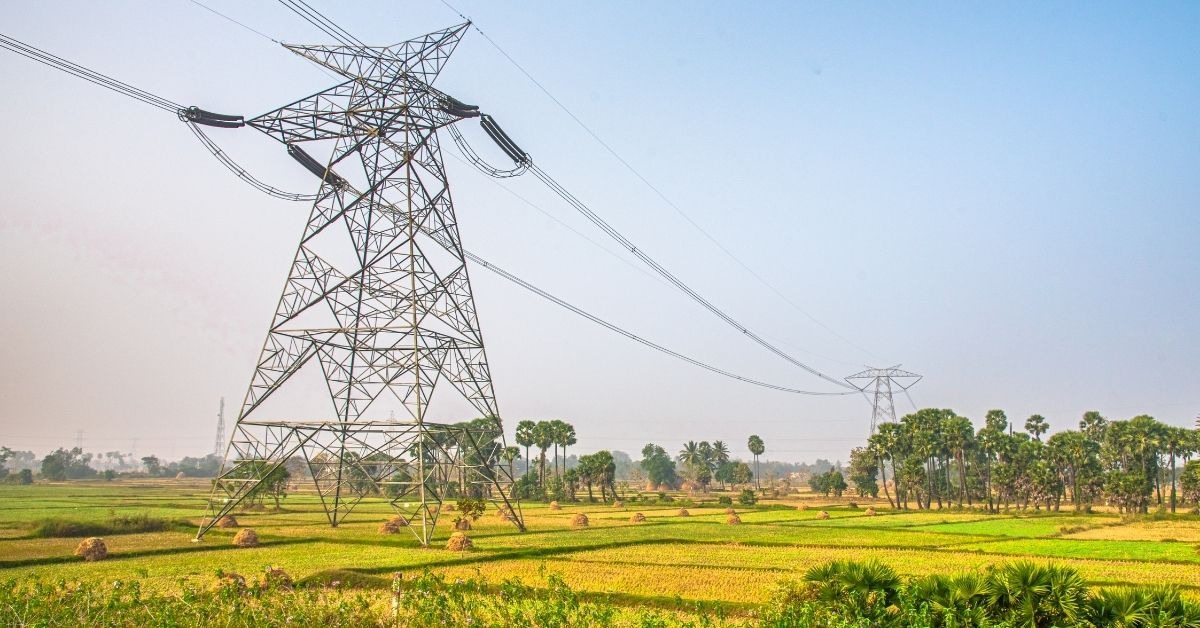
A primary focus for the CGV in its early operational phase will be the expansion of the national electricity transmission grid. Following President Cyril Ramaphosa’s February announcement regarding the creation of an independent transmission company separate from the state utility Eskom Holdings, the government has identified a requirement for 14,000 kilometers of new lines.
The estimated cost for this expansion sits at approximately 440 billion rand ($26.3 billion), a figure that far exceeds the current borrowing capacity of the public sector.
By providing a credit wrap for these investments, the CGV is expected to lower the cost of borrowing and provide the long-term certainty required by global energy players, including China’s State Grid International Development and India’s Adani Power, which have expressed preliminary interest in the sector.
The transition toward a blended finance model carries significant implications for South Africa’s broader fiscal architecture. Historically, the country’s infrastructure delivery has been hampered by a “bottleneck” effect where the state’s inability to provide sovereign guarantees prevented viable projects from reaching financial close.
The CGV functions as a non-sovereign intermediary, effectively shifting risk away from the taxpayer and toward the specialized guarantee vehicle. This evolution in the domestic capital market is intended to unlock the deep liquidity held by South African institutional investors, who have remained cautious regarding direct infrastructure exposure due to perceived governance and execution risks.
Beyond energy security, the DBSA indicates that the model is designed to be scalable, with plans to extend guarantees to transport, water, and social infrastructure projects once the transmission pilot is established.
According to South African Finance Minister Enoch Godongwana, the goal is to have the entity incorporated as a company and fully operational before the end of 2026. If the vehicle achieves its mobilization targets, the World Bank estimates it could contribute to the creation of nearly 997,000 direct and indirect jobs, while supporting the country’s decarbonization commitments by linking renewable energy-rich regions in the Northern and Eastern Cape to the industrial heartland of Gauteng.
The success of this $10 billion mobilization effort will serve as a critical case study for other African middle-income countries facing similar infrastructure deficits and fiscal constraints.
As the continent seeks to move away from a reliance on direct foreign aid and expensive commercial debt, the use of targeted credit guarantees represents a maturing of African financial markets. The CGV’s ability to successfully bridge the gap between private capital and public utility requirements will likely determine the pace of South Africa’s transition toward a more resilient and energy-secure economy.
Engage with us on LinkedIn: Africa Sustainability Matters