Egypt has launched a new sustainable development strategy for Sharm El‑Sheikh, articulating a long‑term vision to transform the Red Sea resort city into a green, resilient and sustainable urban destination, officials announced on Wednesday in a collaborative ceremony with national and local stakeholders.
The Sharm El‑Sheikh Sustainable Development Strategy (SESSDS) was developed through a participatory planning process involving government agencies, community representatives and international partners, including the United Nations Development Programme (UNDP), and aims to integrate environmental protection with economic growth in one of the country’s most touristic regions.

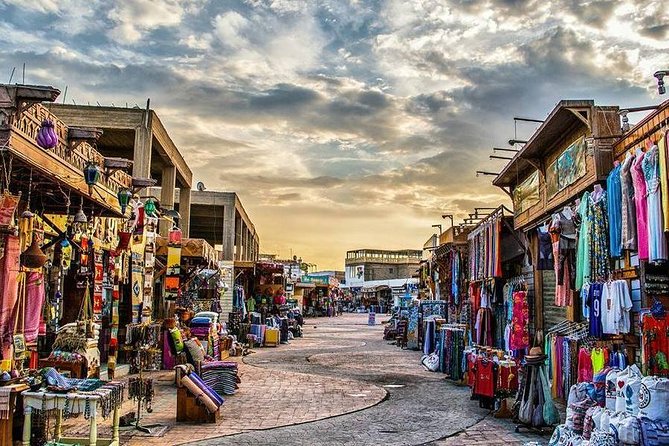
Image source: UNDP
The plan emerges at a time when Egypt is deepening its commitment to sustainability across economic and environmental fronts. In recent years, the country has positioned itself as a platform for climate diplomacy, hosting major international climate discussions and seeking to anchor development projects within broader sustainable frameworks.
The new strategy for Sharm El‑Sheikh, a city marked by its coral reefs, desert landscapes and vibrant tourism economy, is intended to move beyond isolated initiatives toward a unified, long‑term framework that prioritises environmental, social and economic objectives.
According to Acting Environment Minister Manal Awad, the strategy provides “a unified, long‑term framework to guide sustainable development efforts,” integrating existing programmes and setting clear targets for the city’s transformation. Dr Awad said technical consultations, stakeholder workshops and multi‑sector engagement were key to shaping the vision and goals that are now being operationalised.
Officials describe the strategy as a decisive step toward positioning Sharm El‑Sheikh as a regional model for sustainable cities, particularly in balancing economic growth with environmental protection. The initiative builds on the Green Sharm El‑Sheikh project under the environment ministry, reflecting an ongoing shift in focus from project‑by‑project interventions to a comprehensive development pathway designed to sustain tourism, protect biodiversity and strengthen local livelihoods.

At its core, the strategy recognises that Sharm El‑Sheikh’s natural assets are both its greatest strength and its greatest vulnerability. The Red Sea’s coral reefs and marine ecosystems support tourism and local economies, but they also face mounting pressures from climate change and unsustainable development. By embedding environmental goals into the city’s planning and governance structures, policymakers aim to protect these resources while ensuring that growth does not come at the expense of ecological integrity.
In practice, the strategy dovetails with ongoing sustainability innovations. For example, Sharm El‑Sheikh International Airport has been included in national efforts to adopt clean energy solutions, aiming to operate through solar power as part of Egypt’s broader environmental commitments. Such approaches reflect a countrywide momentum toward clean energy and climate resilience that intersects with the goals of the new strategy.
Read also: Marrakech, Morocco, launches UNDP-backed master plan for integrated green waste management
The Sharm El‑Sheikh Sustainable Development Strategy also aligns with Egypt’s broader climate and development frameworks. National commitments such as Egypt Vision 2030 and the country’s National Climate Change Strategy to 2050 inform its priorities, anchoring them in plans that extend beyond tourism to include energy transition, resource efficiency and community empowerment.
Local authorities say the strategy provides a roadmap for improving quality of life while fostering inclusive economic opportunities. South Sinai Governor Khaled Mubarak described the plan as enhancing both the local economy and residents’ well‑being, positioning the city as an example of how sustainable urban development can be pursued in a region dependent on both seasonal tourism and natural capital.
The strategy’s launch reflects broader trends in sustainable urban governance across Africa, where cities are increasingly seen as central actors in climate adaptation and economic transformation. In Egypt, this has been reinforced by initiatives aimed at strengthening evidence‑based policymaking and innovation for sustainable development, such as partnerships between the UNDP and national planning institutions to advance research and policy frameworks that support long‑term resilience.

Environmental advocates welcomed the strategy’s focus on participatory planning and community engagement, noting that inclusive processes often yield more durable outcomes. They emphasize that protecting Sharm El‑Sheikh’s fragile ecosystems, improving waste management, enhancing water and energy efficiency, and integrating nature‑based solutions are critical to sustaining the city’s economic backbone—tourism—while mitigating climate risks.
This launch also resonates with Egypt’s expanding sustainability agenda. In recent years, the country has pushed for increased climate financing and clean technology adoption, securing its place in international climate investment programmes and advancing initiatives that support renewable energy, water management, and socio‑economic resilience.
As implementation begins, the practical effects will be visible in how Sharm El‑Sheikh balances development with environmental stewardship. From cleaner energy sources and smarter urban planning to enhanced data systems that monitor marine life and natural resource use, the strategy sets an ambitious benchmark for sustainable urban transformation in North Africa.
Engage with us on LinkedIn: Africa Sustainability Matters