A €24 million European Union–backed programme has opened a new chapter in Sierra Leone’s long-running struggle to extend reliable electricity beyond its major towns, with a fresh call inviting private developers to build and upgrade renewable mini-grids in rural and off-grid communities across the country. The initiative, launched under the Salone Off-Grid Renewable Energy Acceleration programme, known as SOGREA, is seeking experienced companies capable of delivering operational mini-grid projects within a year, as part of a three-year push to narrow one of West Africa’s most persistent energy access gaps.
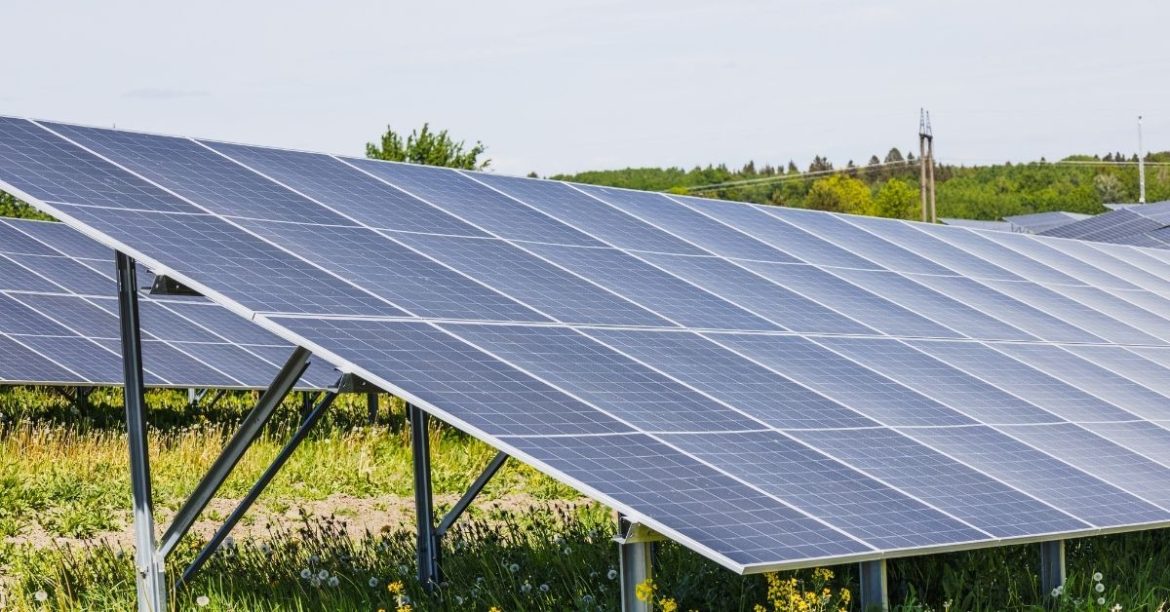
The call, announced this week, comes at a time when fewer than a quarter of rural households in Sierra Leone have access to electricity, according to national and international energy data. While grid expansion around Freetown and a handful of regional centres has progressed slowly, much of the countryside continues to rely on diesel generators, kerosene lamps and biomass, all of which carry high economic and environmental costs. SOGREA is designed to shift that trajectory by accelerating the deployment of green mini-grids powered largely by solar energy, supported by battery storage and modern metering systems.

Under the programme, eligible developers must demonstrate prior experience operating mini-grids across sub-Saharan Africa, technical capacity in smart meter integration, and the ability to bring a new project online within 12 months. The requirements also extend beyond engineering. Participating firms are expected to ensure that women make up at least 30 percent of their teams, reflecting a growing recognition that inclusive participation strengthens project delivery and long-term community uptake.
The financial structure of SOGREA addresses one of the most stubborn bottlenecks in Africa’s off-grid energy market: early-stage risk. Funded with €24 million in catalytic support from the European Union and the Danish government, the programme will cover upfront development costs for qualifying mini-grid projects. For many private developers, these early costs, covering feasibility studies, community engagement, permitting and initial engineering, are difficult to finance, particularly in smaller rural markets where returns take time to materialise. By absorbing that risk, SOGREA aims to crowd in private capital that would otherwise remain on the sidelines.
Energy access in Sierra Leone is not only a technical challenge but a development constraint with wide social and economic consequences. In rural districts, limited electricity supply affects everything from cold storage for agricultural produce to the ability of clinics to refrigerate vaccines or operate diagnostic equipment. Schools struggle to extend learning beyond daylight hours, while small businesses face higher operating costs and limited growth prospects. Mini-grids, when well designed and maintained, offer a practical alternative to costly grid extensions, particularly in communities located far from transmission infrastructure.
Speaking on the launch, Energy Minister Cyril Arnold Grant said the EU-supported funding would help Sierra Leone advance energy sector reforms while strengthening institutional capacity to deliver improved access for rural communities. His remarks reflect a broader policy shift in the country, where regulators are increasingly working to create clearer rules for tariffs, licensing and private participation in off-grid power markets.
From the European side, Jacek Jankowski emphasised that financing alone is not enough to achieve lasting rural electrification. He pointed to the need for close coordination between government leadership and efficient private sector operators, an acknowledgement that past donor-funded projects have sometimes struggled once initial grants were exhausted.

For Africa more broadly, SOGREA offers a case study in how blended finance can be applied to energy transitions in low-income markets. Across the continent, more than 500 million people still lack access to electricity, with rural areas bearing the brunt. As climate finance increasingly prioritises mitigation and adaptation, programmes that link emissions reduction with tangible development outcomes are drawing closer scrutiny from investors and policymakers alike.