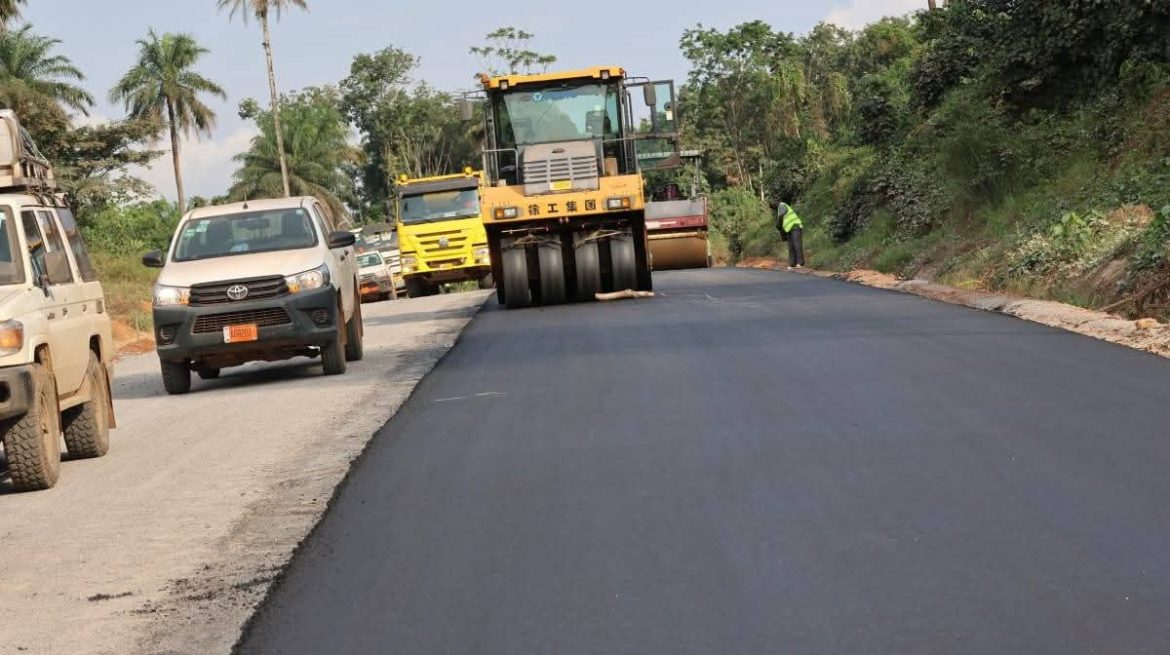
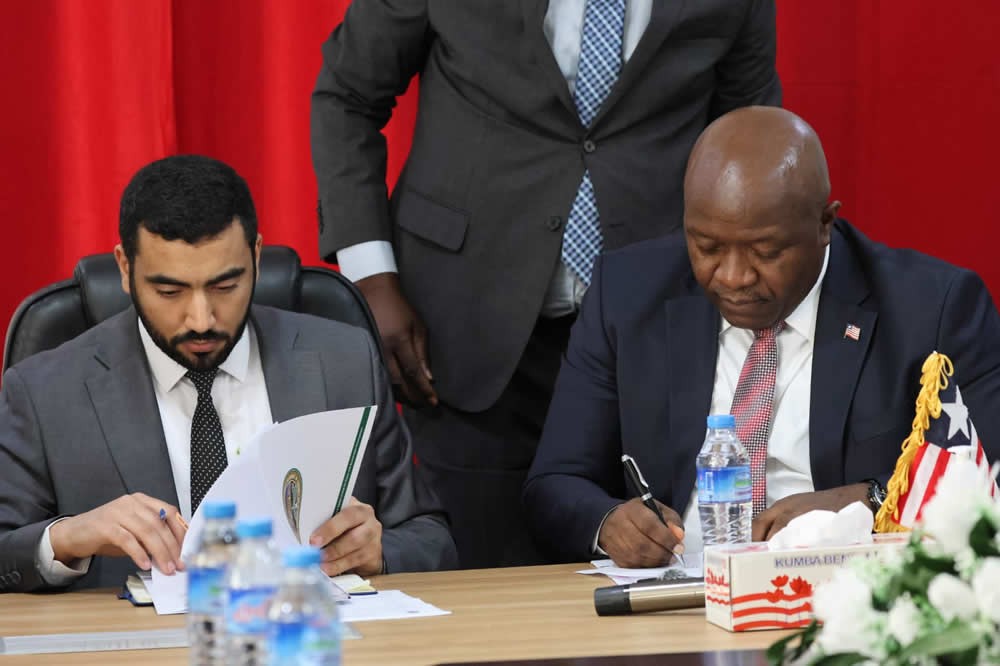
Liberia has taken a fresh step to confront its longstanding infrastructure gap after signing a $30 million financing agreement with the Arab Bank for Economic Development in Africa to upgrade a key road corridor in the country’s north, a move the government says is critical for improving mobility, trade and access to basic services. The agreement, signed on January 26, targets the modernization of the Salayea–Konia road in Lofa County and includes a complementary grant aimed at strengthening healthcare delivery along one of northern Liberia’s most strategic transport routes.
Read also: Sierra Leone seeks private firms to deliver renewable mini-grids under €24m EU-funded programme
The deal brings together the Liberian government and Arab Bank for Economic Development in Africa at a time when infrastructure remains one of the country’s most pressing development constraints. In Liberia, more than 88 percent of the national road network is still unpaved, according to official figures cited in the government’s 2025–2029 development blueprint, the Arrest Agenda for Inclusive Development. Poor road conditions continue to inflate transport costs, isolate rural communities and limit the movement of agricultural goods from production areas to markets.
The Salayea–Konia road links communities in Lofa County to broader regional trade routes and is considered vital for agricultural activity in northern Liberia, where farming remains a primary source of income. Government officials say the upgrade is expected to reduce travel time, lower vehicle operating costs and improve year-round accessibility, particularly during the rainy season when many roads become impassable. By easing the movement of goods and people, authorities believe the project can help stimulate local economies that have struggled with limited infrastructure investment since the end of Liberia’s civil conflict.

Beyond transport, the financing package reflects a broader approach to development that links physical infrastructure with social services. Included in the agreement is a $700,000 grant dedicated to improving healthcare service delivery along the Gbarnga–Voinjama road corridor, a heavily used route that serves multiple northern communities. The grant is expected to support health facilities that currently face logistical challenges, including delayed supply deliveries and difficulties in reaching patients in remote areas.
Health Minister Louise Mapleh Kpoto underscored the relationship between road infrastructure and health outcomes, noting that improved transport networks directly affect the ability of clinics to function effectively. She said better roads translate into faster access to care for patients, more reliable delivery of medical supplies and improved working conditions for health professionals posted outside major urban centres. In a country where rural health indicators often lag behind national averages, officials view such linkages as essential rather than incidental.
The agreement follows a visit by BADEA officials to Liberia on January 23, during which discussions extended beyond roads to potential future financing in sectors such as energy and water. The visit signalled continued interest by the regional development bank in supporting Liberia’s recovery and long-term growth agenda, particularly through projects that address structural bottlenecks to productivity.
Infrastructure development has become a central pillar of the Liberian government’s economic strategy, as outlined in the Arrest Agenda for Inclusive Development. The plan frames roads, power and water systems as prerequisites for inclusive growth, arguing that without reliable infrastructure, efforts to reduce poverty and expand economic opportunity will remain constrained. Public financing alone, however, has proven insufficient to meet the scale of the challenge, pushing authorities to seek partnerships with development banks and private investors.
In parallel with the BADEA-supported road upgrade, Liberia is already advancing other large infrastructure initiatives. The government is overseeing the construction of two interchanges in the Congo Town area and, in November 2025, reviewed a $365 million concession project aimed at building and operating five road corridors spanning 255 kilometres over five years. These efforts reflect a growing reliance on blended finance and concession models to accelerate delivery while spreading risk.