


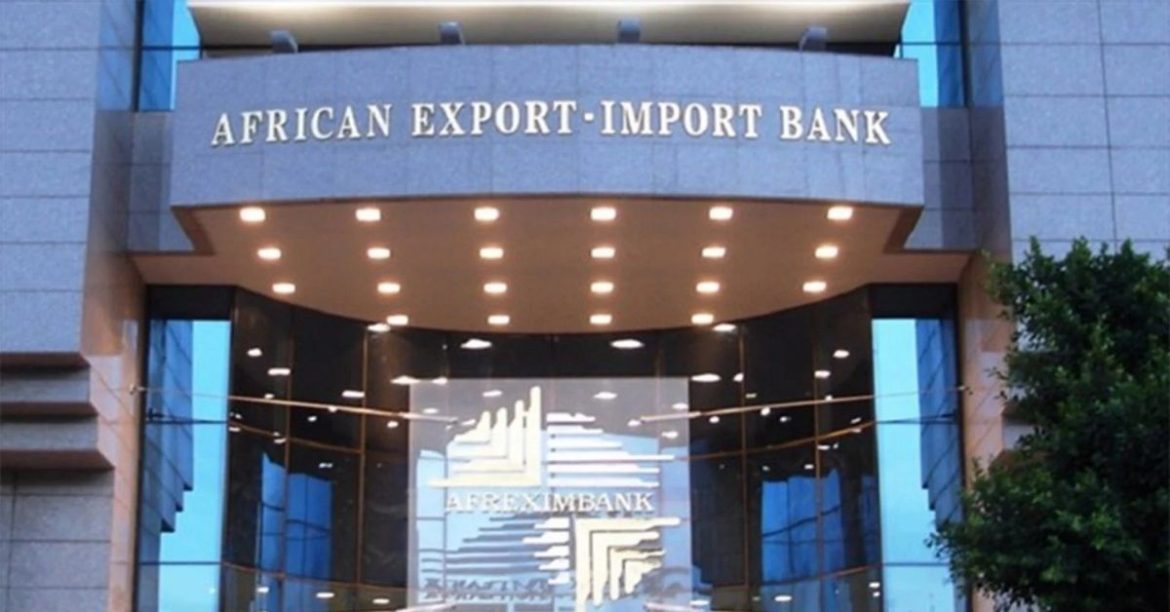
Afreximbank has selected eight African startups for the first cohort of its new accelerator programme, as the continent’s trade finance institution steps up efforts to close structural gaps in intra-African trade by backing technology-led solutions. The programme, announced on February 9, follows a competitive process that drew more than 1,600 applications from across the continent and will see selected startups from countries including Nigeria, Egypt, Ethiopia and Côte d’Ivoire undergo a three-month period of mentoring, technical support and potential investment.
The initiative is being led by African Export-Import Bank, which has increasingly positioned innovation and digital infrastructure as central to its mandate of boosting trade among African economies. The eight startups will gain access to Afreximbank’s institutional network, technical expertise and, in some cases, equity financing, with a focus on solutions that address persistent frictions in trade finance, payments, logistics and market access.
For Afreximbank, the accelerator reflects a recognition that policy frameworks and financing alone are insufficient to unlock intra-African trade at scale. Despite the entry into force of the African Continental Free Trade Area, trade within Africa remains constrained by high transaction costs, limited access to credit for small firms, fragmented payment systems and weak trade-related infrastructure.
According to Afreximbank estimates, intra-African trade accounts for less than 20% of the continent’s total trade, compared with much higher levels in Europe and Asia, leaving African economies exposed to external shocks and volatile global markets.
The selected startups are expected to work on practical solutions that can be deployed within existing trade and financial systems. While Afreximbank has not disclosed the full list of companies or their valuations, the geographic spread reflects the diversity of Africa’s innovation landscape, from West Africa’s fintech hubs to North and East Africa’s growing logistics and trade technology sectors. Many such firms operate at the intersection of digital finance, customs processes and supply chain management, areas where inefficiencies translate directly into higher costs for exporters and importers.
The accelerator comes at a time when African governments are under pressure to deliver the economic benefits promised by the continental free trade agreement. For public finances, deeper intra-African trade offers the prospect of more stable revenue bases and reduced dependence on commodity exports, which are vulnerable to price swings. However, realising those gains requires private sector participation, particularly from small and medium-sized enterprises that dominate African economies but often lack access to trade finance and cross-border networks.

By linking startups directly to a multilateral trade finance institution, Afreximbank is seeking to shorten the path from innovation to adoption. The bank already plays a central role in trade finance across the continent, providing credit lines, guarantees and payment platforms to governments and financial institutions.
Integrating startup solutions into this ecosystem could accelerate the rollout of new tools for risk assessment, digital documentation and cross-border payments, areas that have long been identified as bottlenecks.
The move also reflects broader shifts in development finance, where institutions are increasingly blending traditional lending with equity and technical support to crowd in private capital. Venture funding for African startups has grown over the past decade, but remains uneven and sensitive to global financial conditions. Access to an anchor institution like Afreximbank can help early-stage firms overcome credibility barriers, particularly when seeking to scale across borders in a fragmented regulatory environment.
If successful, the programme could support more efficient trade corridors, lower costs for exporters and improve access to regional markets for farmers, manufacturers and service providers. These outcomes have direct links to employment, food security and industrialisation, especially in landlocked and lower-income countries that face higher trade costs.


