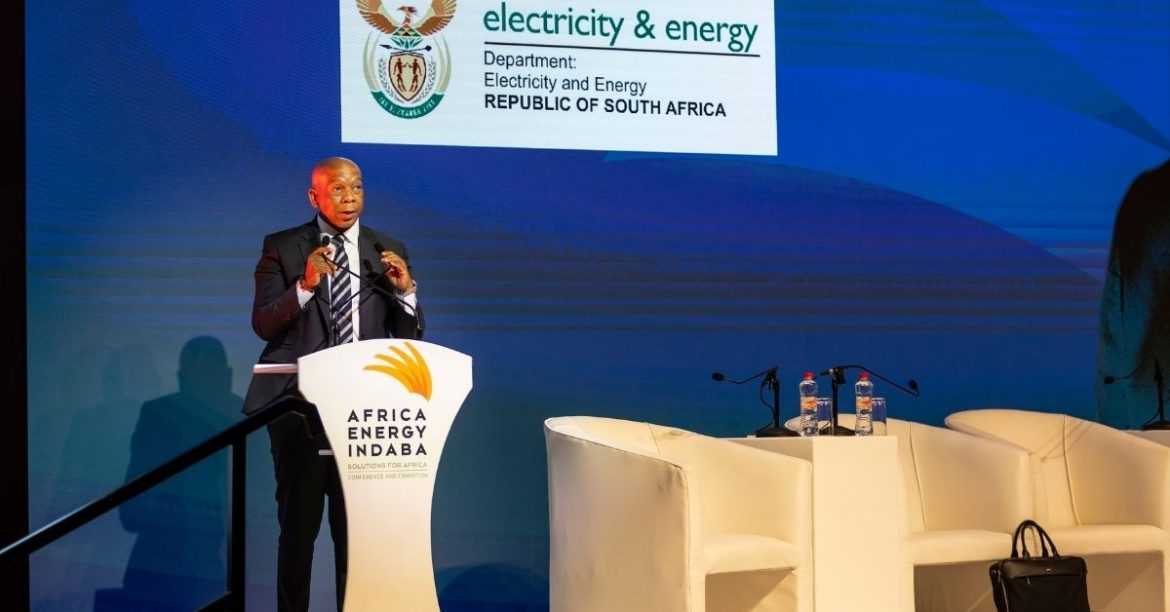
Organisers of the Africa Energy Indaba have confirmed that the 19th edition of the continental energy conference will take place from 2 to 4 March 2027 at the Cape Town International Convention Centre in South Africa, extending a forum that has become a regular meeting point for governments, utilities, financiers and technology providers negotiating the policies and capital flows needed to expand electricity systems across African economies.
The announcement follows the conclusion of the 2026 event, which convened senior political leaders, regulators and investors to review project pipelines and regulatory reforms shaping the region’s power sector.
Read also: Africa Energy Indaba 2026: Leaders unite to accelerate continent’s energy access and investment
The confirmation comes at a time when African governments are under growing pressure to expand generation capacity while managing constrained public finances and rising electricity demand linked to urbanisation, industrialisation and digital infrastructure growth.
According to the International Energy Agency, electricity consumption in Africa is expected to increase steadily over the coming decades, reflecting demographic expansion and efforts by governments to support manufacturing, mineral processing and data-driven industries. These structural shifts have intensified the need for large-scale, reliable energy infrastructure capable of supporting long-term economic activity.
Energy forums such as the Africa Energy Indaba have increasingly evolved from networking platforms into transactional spaces where project sponsors and investors negotiate financing structures, regulatory frameworks and procurement processes required to move infrastructure from planning to construction.
In practical terms, the pace of project development in many African countries is determined less by technical feasibility than by the availability of financing and the credibility of regulatory institutions overseeing tariff structures, licensing and contract enforcement.
For governments, the financial dimension of energy expansion remains a central policy challenge. Large power projects typically require substantial upfront capital investment, often financed through a mix of public funds, concessional loans and private sector participation. These financing arrangements can place long-term obligations on national budgets, particularly where sovereign guarantees or public-private partnership models are used to secure investor confidence.
According to the African Development Bank, the continent requires sustained annual investment running into tens of billions of dollars to close persistent electricity supply gaps and modernise transmission and distribution networks.
Read also: Kenya advances first nuclear power plant plans with 2000MW Siaya County project
Regional power integration has emerged as a complementary strategy for improving system reliability and reducing costs. Cross-border transmission projects linking national grids are enabling countries to trade electricity and balance supply fluctuations, particularly in regions where hydropower and renewable energy output varies seasonally. Expanding these networks requires coordinated regulatory standards, long-term planning and investment in grid infrastructure, issues that frequently dominate policy discussions at continental energy gatherings.
The structure of Africa’s energy mix is also becoming more complex as governments seek to balance affordability, reliability and climate commitments. Renewable energy capacity is expanding rapidly in many markets, yet grid stability often depends on complementary baseload sources such as gas, geothermal or hydropower. These decisions carry fiscal and operational implications that extend well beyond the construction phase, shaping electricity pricing, industrial competitiveness and long-term energy security.
The confirmation of the 2027 Africa Energy Indaba therefore reflects continuity in a regional policy process linking infrastructure planning with investment mobilisation and regulatory reform. While the event itself does not determine project outcomes, it provides a structured setting for governments and investors to address financing constraints, align regulatory priorities and accelerate project implementation.
In economies where electricity supply remains closely tied to industrial growth and public service delivery, the effectiveness of these institutional processes will continue to influence the pace of economic development across the continent.