


United Nations Secretary General António Guterres has described Nairobi as a central pillar of global multilateralism following the launch of a major expansion of the United Nations Headquarters in Kenya, a project expected to cost nearly USD 340 million and reinforce Africa’s growing strategic importance within international diplomacy, climate governance and sustainable development institutions.
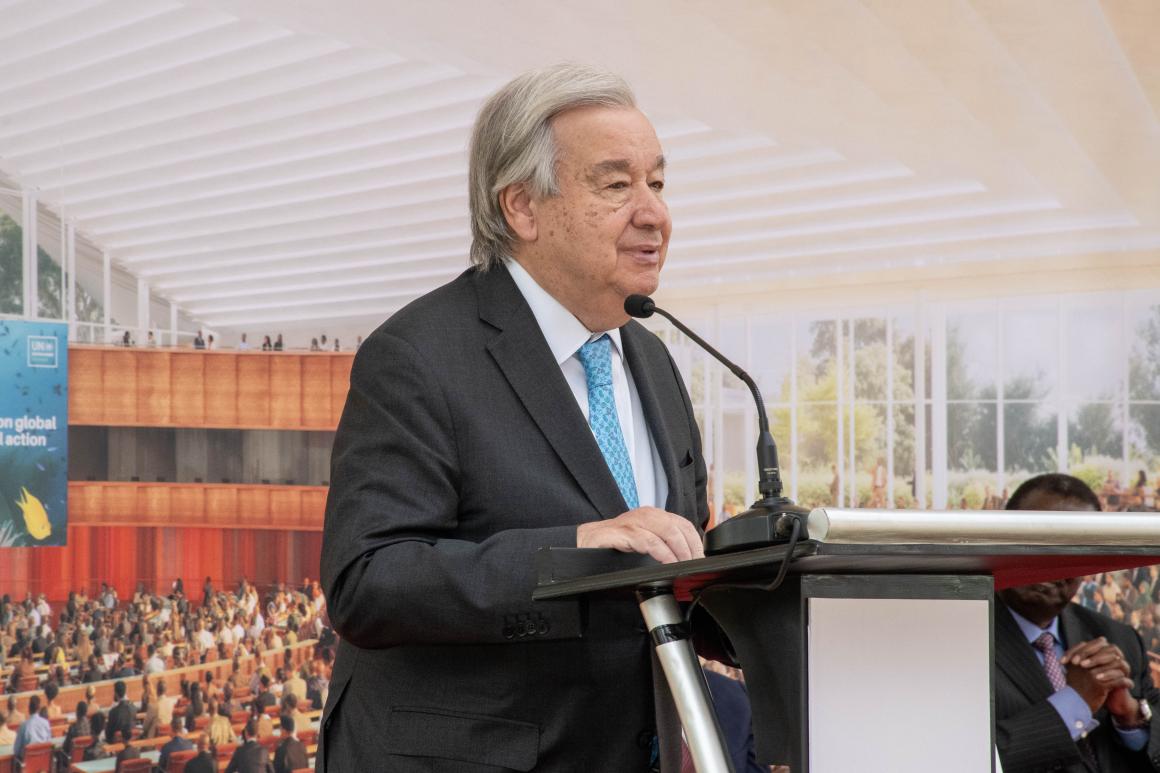
Speaking during the inauguration of new office blocks and the groundbreaking of an expanded conference complex at the United Nations Office at Nairobi in Gigiri, Guterres said the investment reflected a broader recognition of Africa’s role in shaping global governance and international cooperation. The expansion will position Nairobi as the third-largest UN hub globally after New York and Geneva, increasing the city’s capacity to host diplomatic negotiations, climate conferences and multilateral development engagements.
The development comes at a time when African governments are seeking greater influence within global financial and political institutions amid mounting pressure from climate vulnerability, debt burdens and geopolitical instability. Guterres argued that current international governance structures no longer reflect contemporary economic and demographic realities, particularly regarding Africa’s limited representation within institutions such as the UN Security Council and global financial bodies.
According to the UN Secretary General, African economies continue to face disproportionately high borrowing costs despite growing development needs linked to infrastructure, energy transitions and climate adaptation. He noted that many African countries pay more than three times the financing costs faced by developed economies when accessing international capital markets, constraining fiscal space at a time when governments are under pressure to expand investments in resilience, food security and public infrastructure.
The Nairobi expansion itself reflects the increasing integration of sustainability considerations into international institutional development. The new office blocks are the first net-zero facilities at the Nairobi complex and will operate entirely on-site solar energy. Additional renewable energy installations planned under the wider campus modernization programme are expected to make the entire Gigiri complex energy-neutral by 2030.
The expansion approved by the UN General Assembly includes climate-resilient office infrastructure valued at approximately USD 66.2 million and upgraded conferencing facilities worth USD 265.7 million. The project will increase meeting capacity from 14 to 30 conference rooms and expand seating from 2,000 to 9,000 delegates. The United Nations High Commissioner for Refugees has also invested in additional office facilities within the Nairobi campus as part of the broader modernization effort.
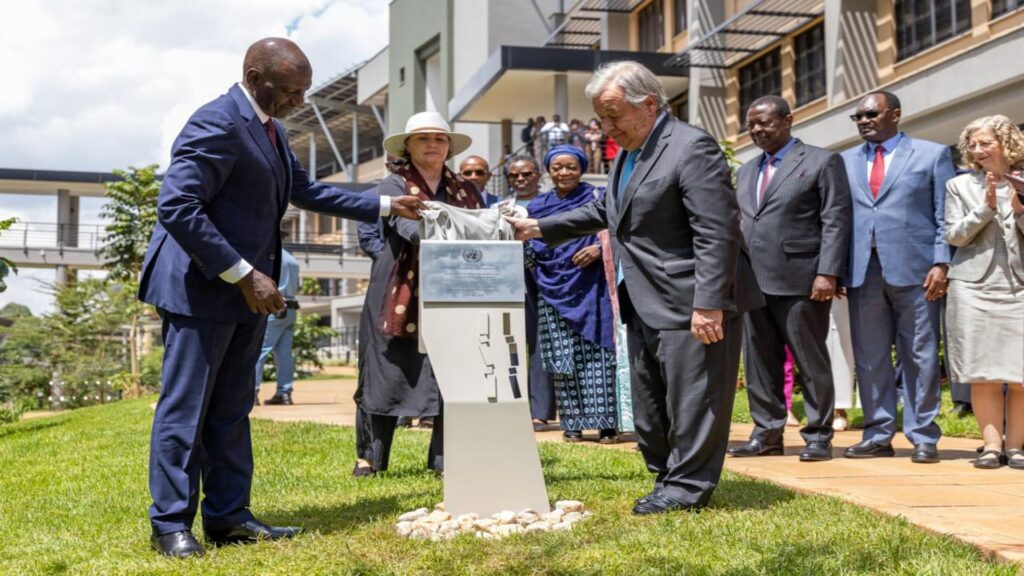
Kenya’s government is simultaneously investing approximately USD 1.1 billion in infrastructure upgrades designed to support Nairobi’s role as a diplomatic and multilateral center. These investments include road expansion, ICT security systems, urban river restoration, and operational support infrastructure linked to the UN complex. Kenyan officials view the project as both a diplomatic milestone and an economic opportunity capable of strengthening Nairobi’s position as a regional hub for international finance, sustainability policy and development coordination.
Beyond institutional expansion, Guterres used the Nairobi visit to renew calls for reforms to international financial architecture. He argued that global governance systems established after the Second World War no longer correspond to current geopolitical and economic realities, particularly given Africa’s growing population and strategic role in global climate and development agendas.
The debate over representation carries increasing significance for African economies navigating climate-related financing challenges. African countries contribute a relatively small share of global greenhouse gas emissions but remain among the most vulnerable to climate shocks, including droughts, floods and food system disruptions. According to regional development institutions, financing gaps linked to adaptation, infrastructure and energy transition investments continue to widen as borrowing costs rise, and fiscal pressures intensify.
Guterres also linked global geopolitical instability to economic risks facing African countries, particularly regarding energy and food security. Referring to tensions affecting the Strait of Hormuz, he warned that disruptions to global trade routes could further increase fuel and fertilizer prices across import-dependent economies. Roughly 13 percent of Africa’s imports, including oil and fertilizer supplies, pass through the strategic maritime corridor. Prolonged disruptions could therefore place additional strain on inflation, agricultural productivity and public finances across several African states.
The issue remains particularly sensitive for East African economies already dealing with climate-related pressures on food production systems. Fertilizer shortages and elevated import costs have affected agricultural output in several countries in recent years, raising concerns over long-term food security and rural economic resilience. According to Guterres, maintaining stable trade flows remains essential to preventing further pressure on commodity markets and safeguarding agricultural production across vulnerable regions.
The Secretary General also expressed concern over the growing number of journalists facing harassment, violence and killings globally, warning that declining accountability for attacks on media workers poses broader risks to democratic governance and institutional transparency. He said the United Nations was increasing efforts through its human rights mechanisms to advocate for greater accountability and protection for journalists operating in increasingly volatile political environments.
Read more: https://nation.africa/kenya/blogs-opinion/editorials/expansion-of-un-office-great-boost-for–5457336
For Kenya and the wider African region, the expansion of the Nairobi UN Headquarters reflects more than an infrastructure project. It signals a broader shift in how international institutions are positioning themselves closer to regions increasingly central to debates over climate resilience, development of finance, migration, peacebuilding, and global economic restructuring.
https://www.aecweek-registration.com/2026/?repid=
As African governments continue to push for reforms to global governance systems, Nairobi’s growing role within the United Nations network may also strengthen the continent’s influence in negotiations shaping future climate financing, sustainability frameworks and international development priorities.


