


A Zimbabwe-founded community mental health initiative has received international recognition after the King Baudouin Foundation awarded the 2025–2026 KBF Africa Prize to Friendship Bench, highlighting growing global interest in low-cost, locally designed healthcare models as African countries confront widening mental health treatment gaps amid constrained public health financing.

The award, announced during a ceremony at the Royal Palace in Brussels, includes a €250,000 grant and institutional support aimed at helping Friendship Bench expand its operations internationally and deepen integration within public health systems. Founded in 2006 by psychiatrist Professor Dixon Chibanda, the programme was developed in response to severe shortages of mental health professionals in Zimbabwe and has since become one of Africa’s most closely studied community-based mental health interventions.
The recognition comes as mental health increasingly emerges as a public policy and economic issue across Africa, where healthcare systems continue to face pressure from rising urbanization, youth unemployment, conflict, displacement and climate-related stressors. According to the World Health Organization, roughly 150 million people across the African region are affected by mental health conditions, yet access to formal treatment remains limited due to funding constraints, workforce shortages and social stigma.
In Zimbabwe, where Friendship Bench was first implemented, the treatment gap remains particularly pronounced. The country has fewer than 20 psychiatrists serving a population of more than 17 million people, while mental health receives less than 1% of the national health budget. According to the programme’s founders, up to 70% of people living with mental health conditions in Zimbabwe do not receive formal care.
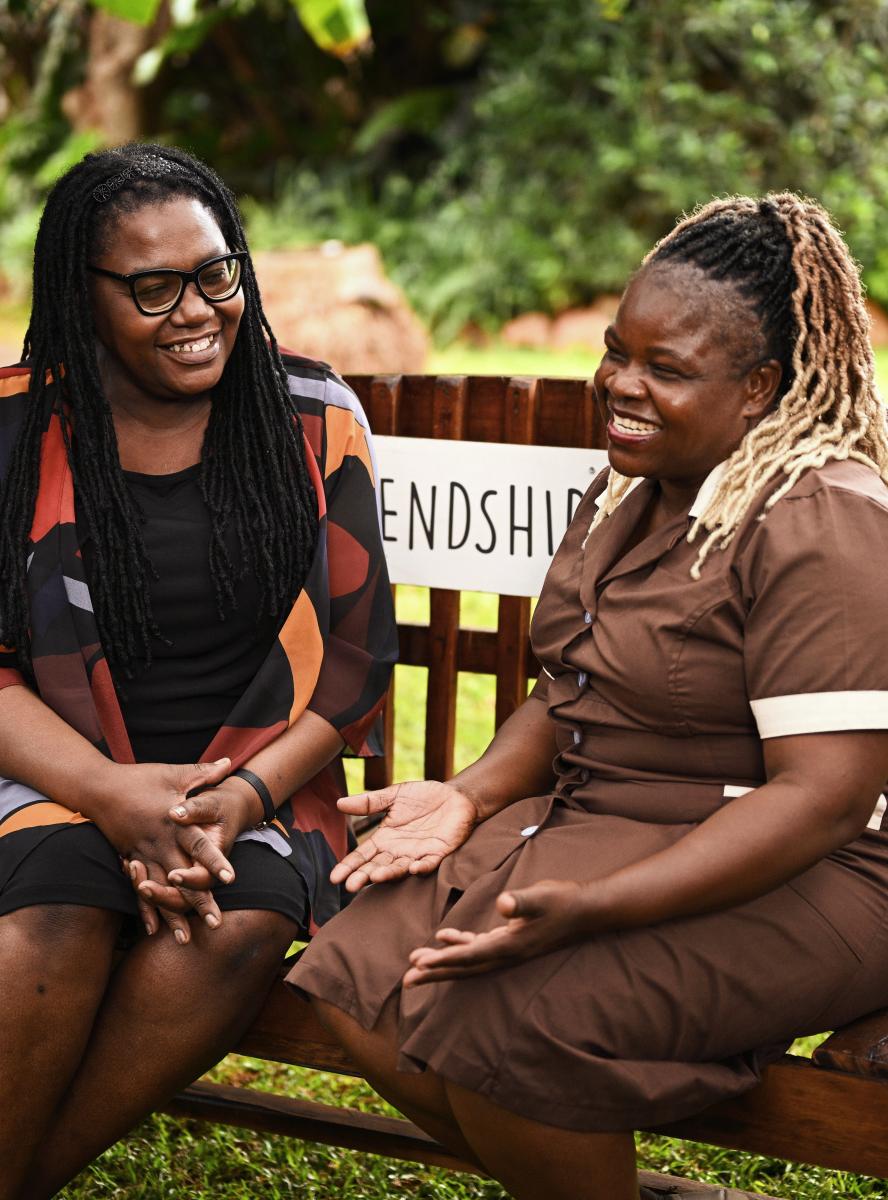
Friendship Bench was designed to address these structural limitations by shifting mental health support closer to communities through trained lay health workers, many of them elderly women known locally as Grandmothers.” Operating from simple wooden benches located at clinics and community spaces, the programme delivers structured talk therapy rooted in evidence-based cognitive behavioural approaches, including problem-solving therapy and behavioural activation.
The model reflects a broader shift in African public health systems toward task-sharing approaches that rely on community health workers to extend healthcare access where specialist capacity is limited. Health economists and development agencies increasingly view these models as financially viable alternatives for overstretched healthcare systems, particularly in low-income and lower-middle-income economies where mental health infrastructure remains underdeveloped.
According to Friendship Bench, the intervention costs between $13 and $16.50 per client served, significantly below the cost structures associated with specialist-led psychiatric care. The programme has been integrated into Zimbabwe’s public health system through collaboration with the Ministry of Health and Child Care (MoHCC) and local authorities, allowing it to operate within existing referral and data systems rather than through parallel structures.
Clinical studies cited by the organization indicate reductions in symptoms of depression and anxiety of up to 80% among some participants, alongside improvements in wellbeing and social functioning. Researchers and public health practitioners have increasingly pointed to these outcomes as evidence that scalable community-based interventions could help narrow mental health treatment gaps across emerging economies.
The initiative has since expanded beyond Zimbabwe, with pilot projects launched in countries including Kenya and Malawi as well as in the United Kingdom, Germany and the United States. These international pilots are examining how community-based mental health systems developed in Africa can be adapted within different healthcare environments, particularly in underserved urban communities.
The award also reflects growing international recognition of African-led healthcare innovation at a time when development financing institutions are increasingly prioritizing locally designed solutions capable of addressing systemic service delivery gaps. Mental health, long considered underfunded within both domestic and international health budgets, is receiving greater attention as governments and donors assess its links to labour productivity, education outcomes, chronic disease management and social stability.
For African economies, the implications extend beyond healthcare delivery. Mental health conditions are increasingly recognized as carrying measurable economic costs through reduced workforce participation, lower productivity, and rising public health burdens. According to global health estimates, untreated depression and anxiety contribute to substantial productivity losses annually, particularly among younger populations entering labour markets already constrained by limited formal employment opportunities.
Friendship Bench’s recognition also underscores the growing role of preventative and community-centered healthcare systems in shaping resilience across African societies. Public health analysts note that integrating mental health into primary healthcare systems may become increasingly important as countries confront overlapping pressures linked to climate shocks, food insecurity, migration, and economic volatility.
The King Baudouin Foundation said the prize seeks to support African organizations developing locally grounded and sustainable responses to structural challenges. Friendship Bench was selected from nearly 900 applicants by an independent international committee, reflecting intensifying global interest in scalable social interventions originating from the continent.
Read more: https://streamlinefeed.co.ke/news/zimbabwes-friendship-bench-wins-the-2026-kbf-africa-prize
For Zimbabwe, the recognition offers broader visibility for a healthcare model developed under severe fiscal and institutional constraints. It also illustrates how African public health innovation is increasingly influencing international conversations around accessible and cost-effective healthcare delivery, particularly in areas where traditional systems have struggled to reach vulnerable populations.
https://www.aecweek-registration.com/2026/?repid=
As governments and development institutions reassess healthcare priorities amid rising demand and limited resources, Friendship Bench’s expansion may provide further evidence that community-based mental health systems can function not only as social interventions, but also as part of wider strategies aimed at strengthening public health resilience and long-term economic stability across Africa.


