



Household air pollution linked to the widespread use of firewood, charcoal and other biomass fuels is contributing to an estimated 27,000 deaths annually in Kenya, according to health researchers and energy experts who are calling for accelerated investment in clean cooking technologies across Africa.
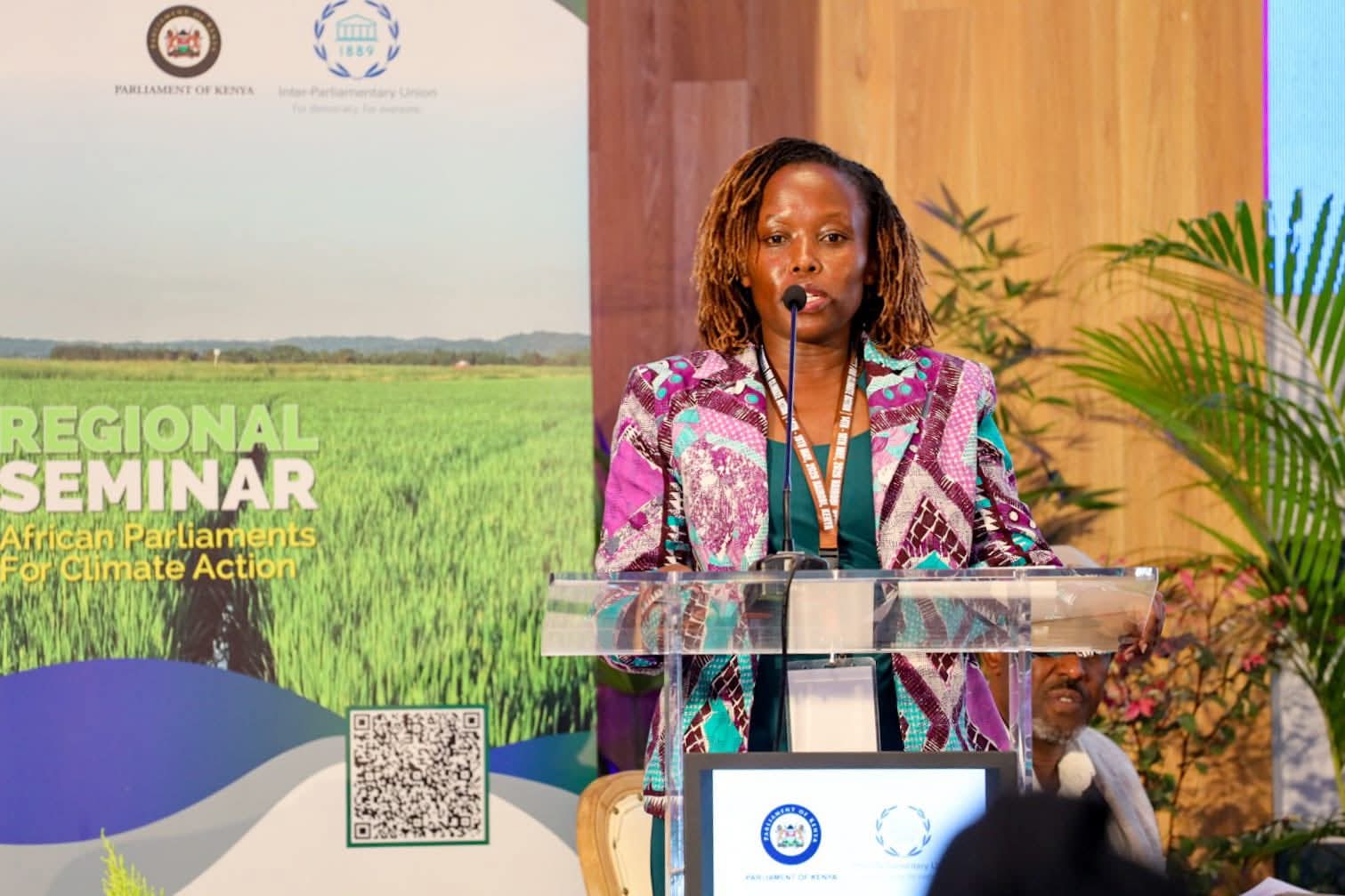
The warning was issued during the Regional Parliamentary Seminar on Climate Action and Methane Reduction in Nairobi, where lawmakers, scientists and climate experts from 21 African countries gathered to examine the growing intersection between public health, energy poverty and climate emissions.
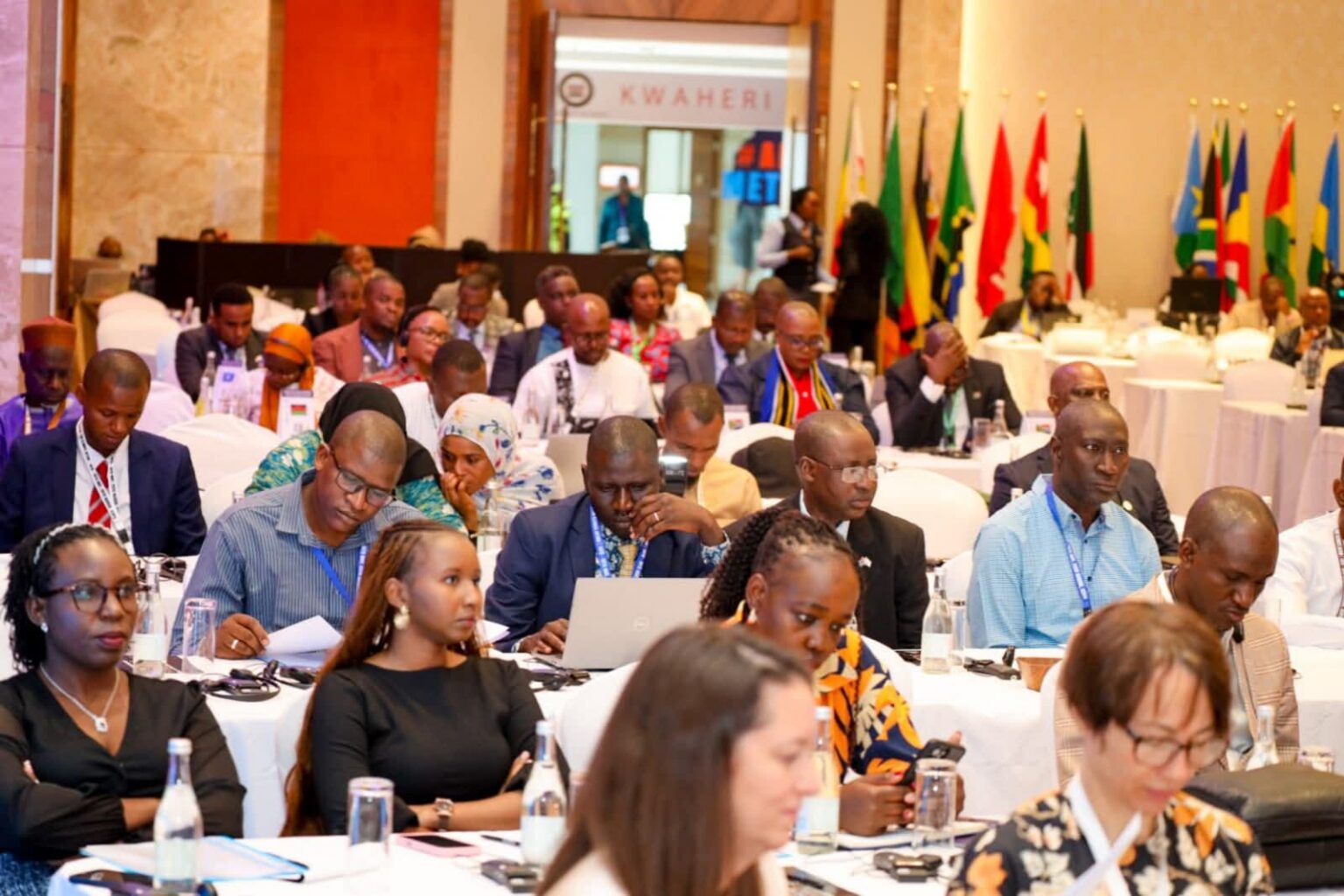
Researchers said household air pollution has become one of Africa’s most severe but under-recognised development and health challenges, disproportionately affecting women, children and low-income households that remain heavily dependent on polluting fuels for daily cooking.
According to Kenya Medical Research Institute researcher Willah Nabukwangwa, nearly one billion people across Africa still rely on biomass fuels including charcoal, firewood and crop residues for cooking, exposing households to dangerous levels of indoor air pollution.
“The combustion of such fuels results in household air pollution consisting of gases such as methane and carbon monoxide,” Nabukwangwa told delegates attending the Nairobi forum.
She said Kenya alone records approximately 27,000 deaths every year associated with illnesses linked to household air pollution, while across Africa an estimated 815,000 people die annually from diseases connected to dirty cooking fuels.
The health burden linked to indoor air pollution is increasingly being described by researchers as a “silent pandemic” because exposure often occurs within homes and over long periods, making the risks less visible despite their scale.
“This is more than malaria and HIV, and we don’t realize that,” said Hamida Kibwana, who moderated discussions during a session focused on decentralised energy systems and methane reduction.
According to the World Health Organization, approximately 2.1 billion people globally continue to cook using open fires or inefficient stoves powered by kerosene, coal and biomass fuels including wood, crop waste and animal dung.
WHO estimates indicate household air pollution caused around 2.9 million deaths worldwide in 2021, including more than 309,000 deaths among children under the age of five.
Medical researchers say smoke generated by burning biomass fuels penetrates deep into the lungs and bloodstream, significantly increasing the risk of respiratory infections, cardiovascular disease, stroke, lung cancer and other chronic illnesses. Health experts also warn that prolonged exposure can negatively affect pregnancy outcomes, child development and mental health.
Nabukwangwa, who leads school-based research under the Clean Air Africa Project at KEMRI, said the impacts extend across nearly every major organ system in the body.
“When you breathe polluted air, it affects literally all the vital organs of the body,” she said.
It is a silent pandemic because people do not associate a simple activity such as cooking with hazardous effects on health and climate.”
The discussions in Nairobi also highlighted the growing connection between household energy systems and climate policy. Incomplete combustion of biomass fuels produces methane and black carbon emissions, both of which contribute significantly to global warming and environmental degradation.
Despite Kenya generating approximately 92% of its electricity from renewable energy sources, nearly 69% of households still rely on biomass fuels for cooking, according to Esther Wang’ombe, Director of Renewable Energy at the Ministry of Energy and Petroleum.
“When it comes to cooking, incomplete burning of wood fuel, charcoal and agricultural waste generates methane gas,” Wang’ombe told delegates.
She said household dependence on firewood and charcoal continues to contribute not only to public health risks but also to deforestation and ecosystem degradation.
Read also:Clean Cooking Tied to Cost and Mindset
To address the crisis, the Kenyan government is expanding investment in biogas systems, electric cooking technologies and energy-efficient cookstoves, particularly targeting rural and low-income communities where access to cleaner alternatives remains limited.
Authorities are also promoting institutional and domestic biogas plants that convert livestock waste into cleaner cooking fuel while reducing methane emissions from organic waste.
“When you use biogas to cook, indoor air quality improves, and less trees are cut for firewood and charcoal,”Wang’ombe said.
The government is additionally working with county administrations to pilot clean cooking programmes and expand electric cooking solutions in urban centres connected to the national electricity grid.
Climate finance specialists attending the forum argued, however, that scaling clean cooking technologies across Africa will require stronger financial support mechanisms, targeted subsidies and more decentralised investment approaches capable of reaching vulnerable communities.
Collins Cheruiyot, a climate finance specialist with Climate Parliament, said decentralised clean energy initiatives could help bridge financing gaps by directing climate investments toward local community projects.
Under the proposed “Green Energy Constituencies” model discussed at the forum, parliamentary constituencies would function as local clean energy investment hubs where lawmakers coordinate projects involving communities, county governments and development partners.“This model helps simplify investment processes and attract blended finance,”Cheruiyot said.
Participants repeatedly stressed that clean cooking transitions remain central not only to climate mitigation efforts but also to poverty reduction, healthcare improvement and broader economic resilience across African economies.

https://www.aecweek-registration.com/2026/?repid=
Analysts at the forum warned that without stronger public awareness campaigns and affordable financing mechanisms, millions of households could remain trapped in long-term dependence on polluting fuels despite growing renewable energy investments elsewhere in the economy.
The Nairobi discussions reflected a broader shift among African policymakers and development institutions toward framing household energy access as an integrated health, climate and development challenge rather than solely an environmental issue.


