


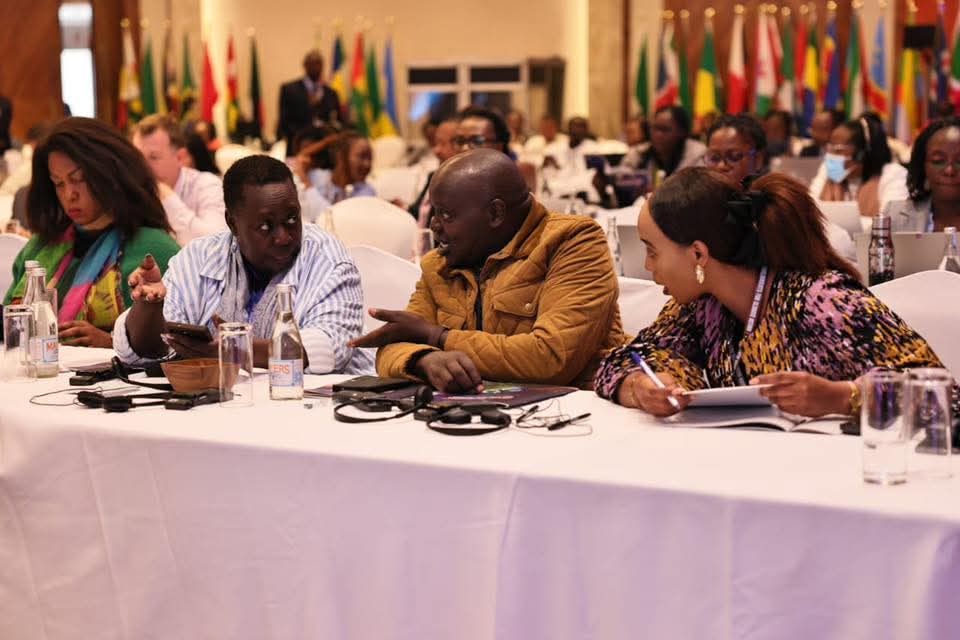
African parliamentarians have committed to strengthening coordination among legislatures, governments and regional institutions to advance a unified continental position in global climate and methane negotiations, as pressure grows on developing economies to accelerate emissions reductions while managing food security and development priorities.
The commitment was made at the conclusion of the two-day Regional Parliamentary Seminar on Climate Action and Methane Reduction held in Nairobi under the theme “African Parliaments for Climate Action: Reducing Methane, Promoting Development.”
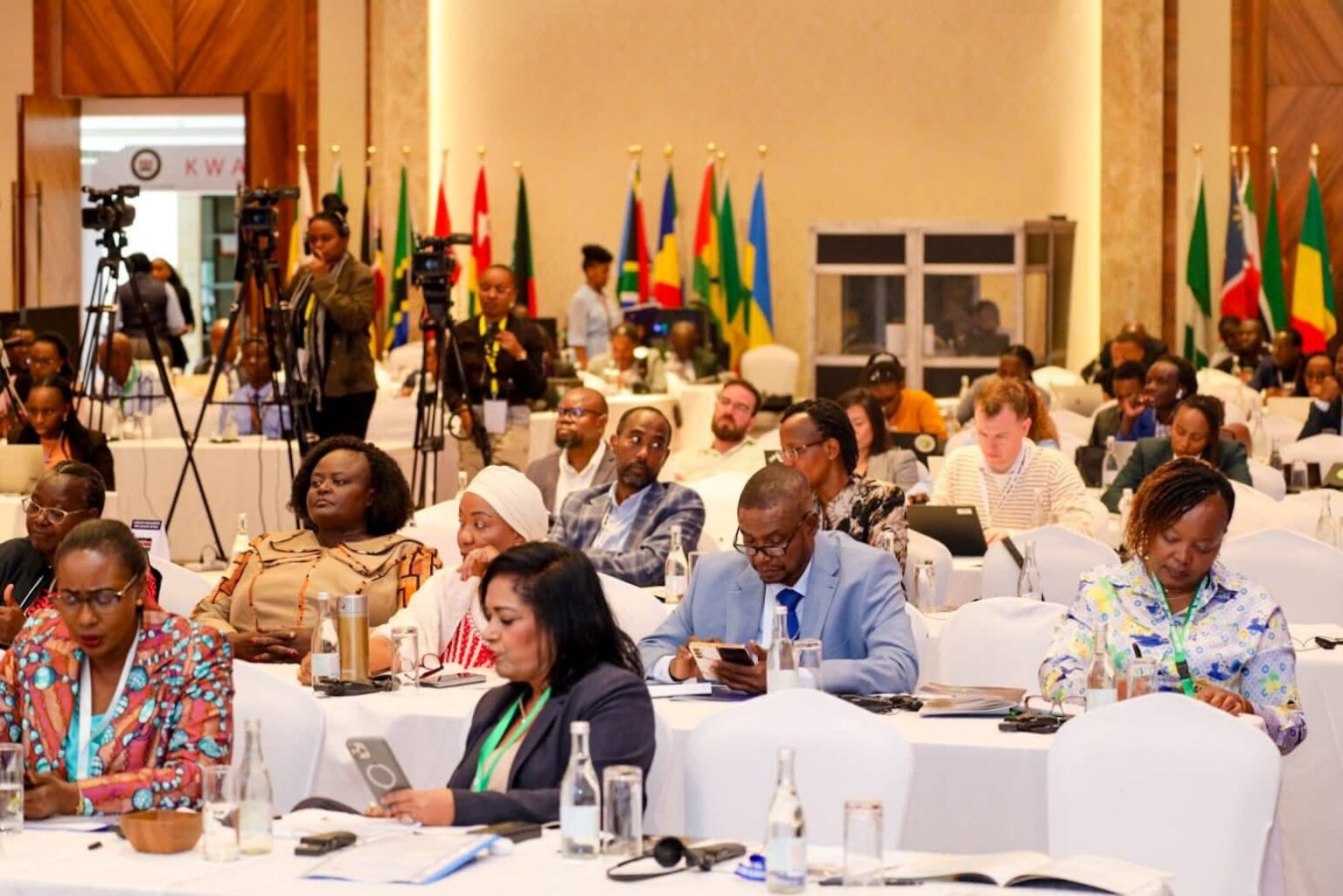
The forum brought together lawmakers and parliamentary representatives from 21 African countries, including Kenya, South Africa, Rwanda, Ethiopia, Uganda, Tanzania, Mozambique and The Gambia, alongside development institutions, climate finance experts and environmental organisations.
In a joint outcome statement issued at the end of the summit, delegates stressed that international climate frameworks and financing systems must reflect Africa’s economic realities, poverty reduction priorities and dependence on climate-sensitive sectors such as agriculture.
The lawmakers called for “enhanced dialogue among African parliaments, governments and regional institutions to promote a strong and united African voice in global climate and methane-related negotiations.”
The discussions reflected growing concern among African policymakers that global climate agendas are increasingly being shaped without sufficient consideration of the continent’s development challenges, energy deficits and agricultural dependence.
Methane has become a central focus of international climate negotiations because of its significant short-term warming impact. Emissions linked to agriculture, waste management and fossil fuel systems are now under increasing scrutiny as countries prepare for tighter global climate commitments and emissions reduction targets.
For Africa, however, methane mitigation presents a more complex policy challenge. Livestock production remains central to rural livelihoods and food systems across much of the continent, while waste management infrastructure and energy access deficits continue to constrain rapid emissions reductions.
Delegates at the Nairobi seminar argued that climate mitigation policies imposed without adequate financing or technological support risk undermining economic resilience and food security in low-income countries.
“Africa’s methane mitigation efforts have both adaptation and mitigation co-benefits and require adequate, predictable and accessible climate finance from developed countries,” the joint statement said.
The parliamentarians also called for the fulfilment of climate finance commitments agreed under recent global climate negotiations, including operationalisation of loss and damage funding mechanisms intended to support vulnerable countries already facing severe climate impacts.
African governments have repeatedly argued that despite contributing minimally to global greenhouse gas emissions, the continent remains disproportionately exposed to climate-related shocks including droughts, floods, food insecurity and ecosystem degradation.
Participants at the forum emphasised that methane reduction strategies should be designed not only around emissions targets but also around opportunities for economic innovation, productivity improvement and locally adapted development solutions.
The lawmakers highlighted the importance of affordable technologies and technical expertise in supporting practical methane mitigation measures across sectors such as agriculture, waste and energy.
The outcome statement specifically called for accelerated transfer of adaptable technologies including low-emission livestock systems, biogas infrastructure, methane measurement tools and waste-to-energy solutions.
Analysts attending the forum noted that many African countries continue to face major financing and institutional barriers to implementing advanced climate technologies despite growing international pressure to align with global emissions reduction pathways.
The parliamentarians also pledged to strengthen cooperation through regional parliamentary platforms and legislative networks aimed at improving knowledge exchange, evidence-based policymaking and climate governance coordination across the continent.
Participants further reaffirmed the role of parliaments in shaping climate legislation, scrutinising public expenditure and establishing regulatory frameworks capable of supporting long-term climate resilience and sustainable development.
The Nairobi discussions reflected a broader shift in African climate diplomacy toward more coordinated continental engagement in global environmental negotiations, particularly around financing, adaptation and energy transition frameworks.
As international climate negotiations increasingly expand beyond carbon dioxide to include methane reduction commitments, African governments are seeking to ensure that emerging global rules do not restrict agricultural development, energy access or industrialisation efforts.
Observers say the emphasis on parliamentary involvement also signals recognition that climate policy implementation will depend not only on executive-level commitments but also on legislative oversight, domestic budget allocation and local political support.

https://www.aecweek-registration.com/2026/?repid=
The forum was organised by the Parliament of Kenya and the Inter-Parliamentary Union in collaboration with Climate Parliament, the Climate Vulnerable Forum, the United Nations Environment Programme, the Climate and Clean Air Coalition, the International Livestock Research Institute, the World Agroforestry Centre and the Stockholm Environment Institute.
The outcomes are expected to feed into broader African climate coordination efforts ahead of upcoming global negotiations where methane reduction, adaptation financing and food systems are likely to feature prominently in international policy discussions.


