


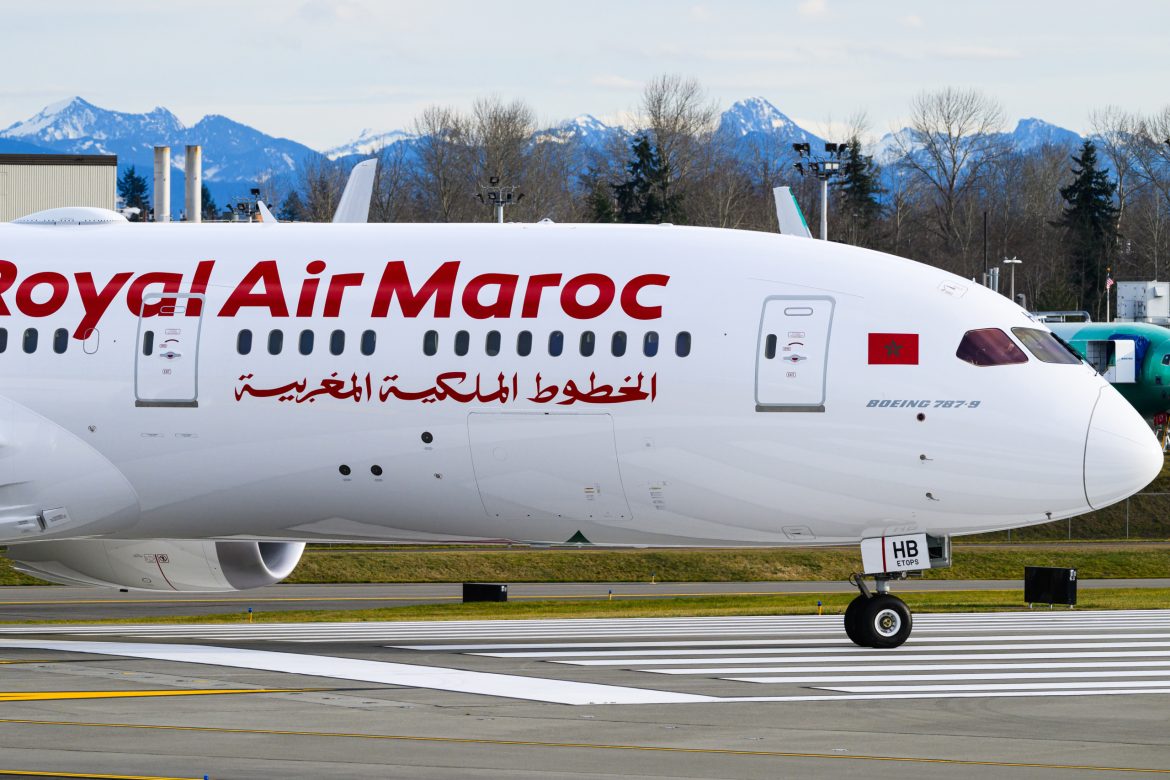
Morocco’s national carrier, Royal Air Maroc, is increasing transatlantic flight capacity ahead of the 2026 FIFA World Cup, adding 32 special flights between Casablanca and major United States host cities as demand rises among supporters expected to follow the Moroccan national football team during the tournament’s group-stage matches. The additional services, scheduled to operate between June 13 and June 27, will connect Morocco with New York, Boston and Atlanta, marking the airline’s first direct World Cup-linked operations to the Georgia city and reflecting broader efforts by African carriers to capitalize on rising international mobility, tourism and diaspora travel linked to major global events. 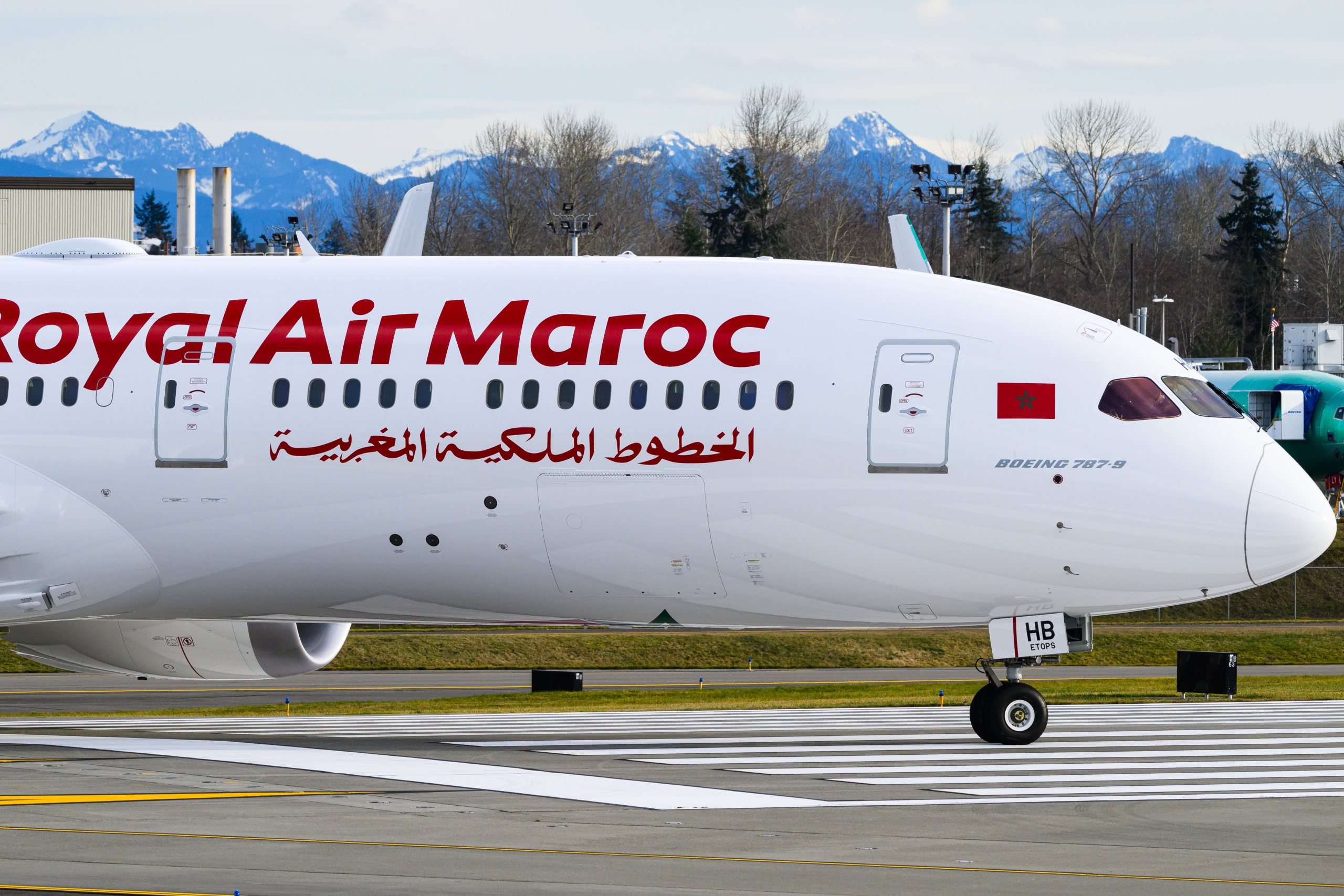
The airline said more than 8,800 additional seats will be introduced during the period, supported by wide-body aircraft deployment and expanded operational staffing to manage passenger volumes. According to the carrier, fixed economy return fares of approximately 920 euros are intended to make travel more accessible for Moroccan supporters travelling to the tournament, which will be jointly hosted by the United States, Canada and Mexico. Ticket sales are expected to begin on May 20 through the airline’s commercial offices and dedicated online booking platforms.
The move comes as Morocco continues to strengthen its position as one of Africa’s most internationally connected aviation markets. The country has expanded investment in airport infrastructure, tourism development and aviation partnerships in recent years as part of broader economic diversification efforts tied to trade, services and international investment. According to Moroccan aviation authorities, passenger traffic through the country’s airports has recovered strongly following pandemic-era disruptions, supported by tourism demand, diaspora travel and expanding air connectivity between Africa, Europe and North America.
The World Cup operation also reflects the growing commercial importance of African football to global aviation and tourism industries. Morocco’s performance during the 2022 FIFA World Cup in Qatar, where the Atlas Lions became the first African and Arab team to reach the semi-finals, significantly increased international visibility for the country and contributed to rising travel demand from both tourists and diaspora communities. Industry analysts note that global sporting events increasingly generate broader economic effects beyond tourism alone, influencing airline route planning, infrastructure investment and long-term destination branding strategies.
Read more: https://allafrica.com/stories/202512050415.html
For African airlines, international sporting events provide opportunities to capture high-value passenger flows at a time when many carriers across the continent continue to face operational and financial pressures linked to fuel costs, currency volatility and aircraft supply constraints. According to the International Air Transport Association (IATA), African aviation still accounts for a relatively small share of global passenger traffic despite rapidly growing urban populations and rising middle-class demand. Limited direct connectivity between African countries and long-haul destinations has historically constrained trade and tourism growth, increasing dependence on foreign carriers for intercontinental routes.
Royal Air Maroc has in recent years pursued a strategy aimed at strengthening Casablanca’s role as a regional aviation hub linking Africa with Europe, the Middle East and North America. The expansion of World Cup-related services aligns with broader ambitions by Morocco to position itself as a gateway for business, tourism and logistics flows between Africa and global markets. Aviation infrastructure has become increasingly important to these ambitions as governments across the continent seek to leverage transport networks to support trade integration under the African Continental Free Trade Area (AfCFTA) framework.
 The inclusion of Atlanta in the airline’s World Cup flight network also reflects the commercial significance of African diaspora communities in the United States. Direct long-haul routes between African cities and North America remain relatively limited compared with Europe and the Gulf region, despite increasing demand for business and leisure travel. Analysts say improved connectivity could contribute to higher tourism revenues, stronger remittance flows and expanded commercial exchanges between African economies and diaspora markets abroad.
The economic implications extend beyond passenger transport. Major sporting tournaments often accelerate investments in aviation systems, airport operations and hospitality infrastructure while also generating temporary employment across transport and tourism supply chains. For Morocco, which will co-host the 2030 FIFA World Cup alongside Spain and Portugal, aviation capacity expansion linked to the 2026 tournament may also serve as part of broader operational preparations for future large-scale international events.
At a continental level, the airline’s expansion highlights how African carriers are increasingly positioning themselves within global mobility networks tied to tourism, trade and cultural influence. While aviation growth across Africa remains uneven, rising demand for direct routes, improved infrastructure and regional connectivity is gradually reshaping the sector’s role in economic development. According to industry observers, sustained investment in air transport systems could influence Africa’s long-term competitiveness in tourism, logistics and international commerce, particularly as global travel demand continues to recover and diversify.


