


The Intergovernmental Authority on Development (IGAD) has appointed Rania Mustafa Hassan as Acting Head of Mission to Sudan, signalling a renewed phase of regional diplomatic engagement as the East African bloc moves to reopen its office in Khartoum amid Sudan’s continuing political and humanitarian crisis.
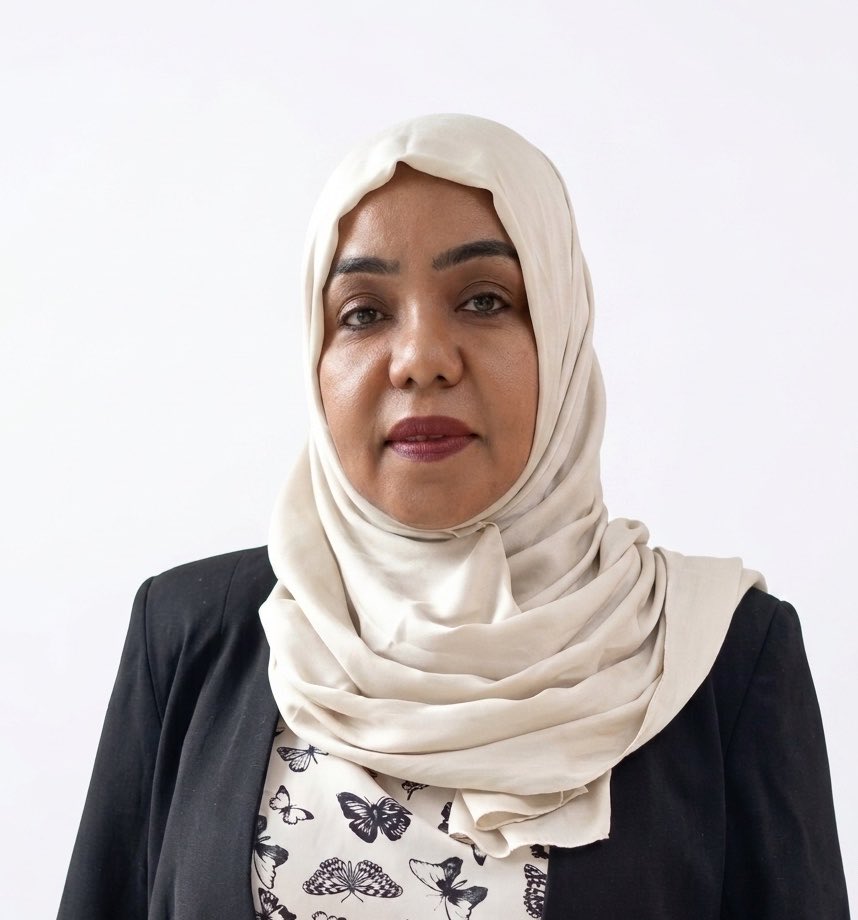 In a statement announcing the appointment, IGAD said the decision forms part of its broader re-engagement strategy with Sudan and reflects the organization’s commitment to supporting peace, recovery and institutional stability in the country after months of escalating conflict and regional instability.
The move comes at a critical moment for Sudan, where prolonged fighting between the Sudanese Armed Forces (SAF) and the paramilitary Rapid Support Forces has severely disrupted governance systems, displaced millions of people and weakened economic activity across one of Africa’s largest countries. Regional organisations, including IGAD, the African Union and the United Nations, have faced growing pressure to intensify mediation efforts as the conflict’s humanitarian and economic consequences spread beyond Sudan’s borders.
IGAD’s decision to restore a diplomatic presence in Khartoum suggests an effort to strengthen direct regional engagement at a time when political dialogue remains fragmented and access to affected communities continues to be constrained by insecurity.
According to regional analysts, Sudan’s instability has evolved into a broader Horn of Africa security and development concern, affecting trade corridors, migration patterns and regional economic integration. Sudan occupies a strategic geographic position linking East Africa, the Sahel and the Red Sea, making prolonged instability particularly significant for neighbouring economies reliant on cross-border trade and transport routes.
The conflict has also intensified pressure on already fragile public systems across the region. Millions of Sudanese refugees and displaced persons have moved into neighbouring countries including Chad, South Sudan, Ethiopia and Egypt, increasing humanitarian financing demands and stretching local infrastructure and social services.
IGAD has played a central role in previous mediation efforts in Sudan and South Sudan, though its influence has at times been complicated by differing political positions among member states. The appointment of Hassan is likely intended to reinforce diplomatic coordination as regional governments seek pathways toward dialogue while balancing security concerns and economic pressures linked to the conflict.
The reopening of IGAD’s office in Khartoum could also improve coordination between regional institutions, humanitarian actors and Sudanese stakeholders at a time when access to reliable governance structures remains uneven across the country. According to development agencies, restoring institutional engagement in Sudan will be critical to any future recovery process, particularly in areas linked to public administration, infrastructure rehabilitation and food security.
Sudan’s economy has suffered extensive damage since conflict erupted in April 2023. Industrial production, banking systems, agricultural supply chains and export activity have all been heavily disrupted, while inflation and currency depreciation have accelerated pressure on households and businesses. The conflict has also undermined regional trade flows through Port Sudan and transport networks connecting East and Central Africa.
Read also: https://streamlinefeed.co.ke/news/igad-appoints-rania-mustafa-as-acting-head-of-mission-to-sudan
For African economies already managing debt vulnerabilities, climate-related pressures and slowing global growth, prolonged instability in Sudan risks creating wider fiscal and security spillovers across the Horn of Africa. According to policy experts, sustained regional diplomacy will remain essential not only for conflict resolution but also for preserving long-term economic resilience and preventing further fragmentation of regional integration efforts.
IGAD’s renewed engagement reflects a broader recognition among African institutions that regional crises increasingly require coordinated political and economic responses rather than short-term security interventions alone. The organization’s emphasis on peace, recovery and stability also highlights the growing overlap between governance challenges and development outcomes across the continent.
 While the appointment of an acting mission head is unlikely to alter conditions on the ground immediately, it represents an attempt to maintain diplomatic channels and reinforce regional involvement during a period of continued uncertainty in Sudan. The effectiveness of such engagement, however, will depend on broader political willingness among Sudanese actors and sustained coordination between regional and international stakeholders.
For IGAD, re-establishing a functioning presence in Khartoum may also serve as a test of the bloc’s capacity to remain relevant in managing complex crises within the Horn of Africa at a time when multilateral institutions face increasing scrutiny over their ability to deliver durable political solutions.


