


São Tomé and Príncipe has secured a $24.5 million grant from the African Development Bank Group to modernise its electricity system, expand renewable energy capacity and reduce dependence on imported fossil fuels, in a move that underscores the growing importance of energy transition financing for Africa’s small island economies. The funding, announced on 23 April 2026, will support the Energy Transition, Efficiency and Expansion Project (ETREEP), a multi-year programme aimed at strengthening energy security, improving electricity access and enhancing the long-term sustainability of the country’s power sector.
The project comes at a critical time for São Tomé and Príncipe, where approximately 95 per cent of electricity generation is currently fuelled by imported diesel. This dependence has exposed the country to volatile global fuel prices, elevated electricity generation costs and persistent supply disruptions. According to the African Development Bank, technical and commercial losses exceed 30 per cent of generated electricity, while recurring power outages continue to affect households, businesses and public services.
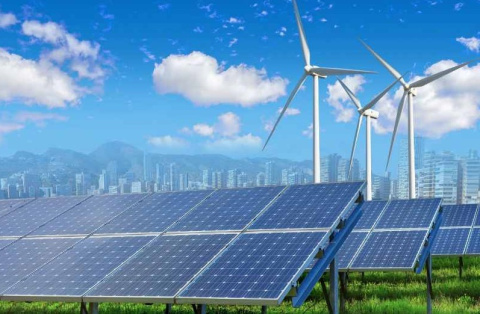
 Under the ETREEP programme, authorities will invest in a range of infrastructure upgrades designed to improve both generation and distribution efficiency. Central to the initiative is the construction of a 4-megawatt solar photovoltaic power plant on Príncipe Island, supported by a 2-MWh battery energy storage system. The project also includes the installation of more than 40,000 prepaid electricity meters, which are expected to improve revenue collection, reduce system losses and strengthen the financial sustainability of the national electricity network.
Additional investments will focus on modernising grid infrastructure through upgrades to dispatch systems and low-voltage distribution networks. The deployment of 1,000 energy-efficient LED streetlights is also expected to lower electricity consumption while improving public safety and service delivery in urban areas.
Beyond infrastructure, the programme includes institutional strengthening measures for the national utility, Empresa de Água e Eletricidade (EMAE), and relevant government agencies. Capacity-building efforts are intended to support better management of energy assets, improve operational efficiency and ensure that reforms deliver long-term results.
According to Pietro Toigo, African Development Bank Country Manager for Angola and São Tomé and Príncipe, the project represents a broader commitment to ensuring that small island developing states can build modern and inclusive energy systems capable of supporting sustainable economic growth. His remarks reflect a wider recognition among development finance institutions that energy security remains a foundational requirement for economic resilience and social development.
The significance of the initiative extends beyond São Tomé and Príncipe. Across Africa, many island and remote economies face similar challenges associated with imported fossil fuel dependence, limited generation capacity and vulnerable electricity infrastructure. For these countries, renewable energy investments offer an opportunity to strengthen energy independence while reducing exposure to external economic shocks.
The economic implications are substantial. By lowering fuel import requirements, the project is expected to improve fiscal resilience and reduce pressure on foreign exchange reserves. More reliable electricity supplies can also support private sector growth, improve productivity and enhance the competitiveness of key economic sectors. Small businesses, schools, healthcare facilities and public institutions stand to benefit from improved access to dependable electricity services.
The project is expected to directly benefit around 200,000 people and improve electricity access for approximately 50,000 households. It is also anticipated to create employment opportunities linked to renewable energy deployment, electrical maintenance and infrastructure operations, contributing to skills development in an emerging sector of the economy.
From a sustainability perspective, the initiative aligns with broader efforts to accelerate Africa’s clean energy transition while advancing climate adaptation and resilience objectives. Small island states are among the most vulnerable to climate-related disruptions despite contributing minimally to global greenhouse gas emissions. Investments in renewable energy therefore serve both economic and environmental objectives by reducing carbon intensity while strengthening energy system resilience.
The financing also reflects a broader shift in development priorities across the continent. Multilateral institutions and governments are increasingly directing capital towards projects that combine infrastructure development with climate action, recognising that long-term economic growth depends on resilient and sustainable systems.
 For Africa, the São Tomé and Príncipe project offers a practical example of how targeted development finance can support structural transformation. By combining renewable energy generation, grid modernisation, institutional reform and human capital development, the initiative seeks to address immediate energy challenges while laying the foundation for a more sustainable and economically resilient future.
As countries across the continent pursue pathways towards cleaner and more reliable energy systems, the success of projects such as ETREEP may provide important lessons for other small and vulnerable economies seeking to balance energy access, economic development and climate resilience within increasingly complex global energy markets.


