


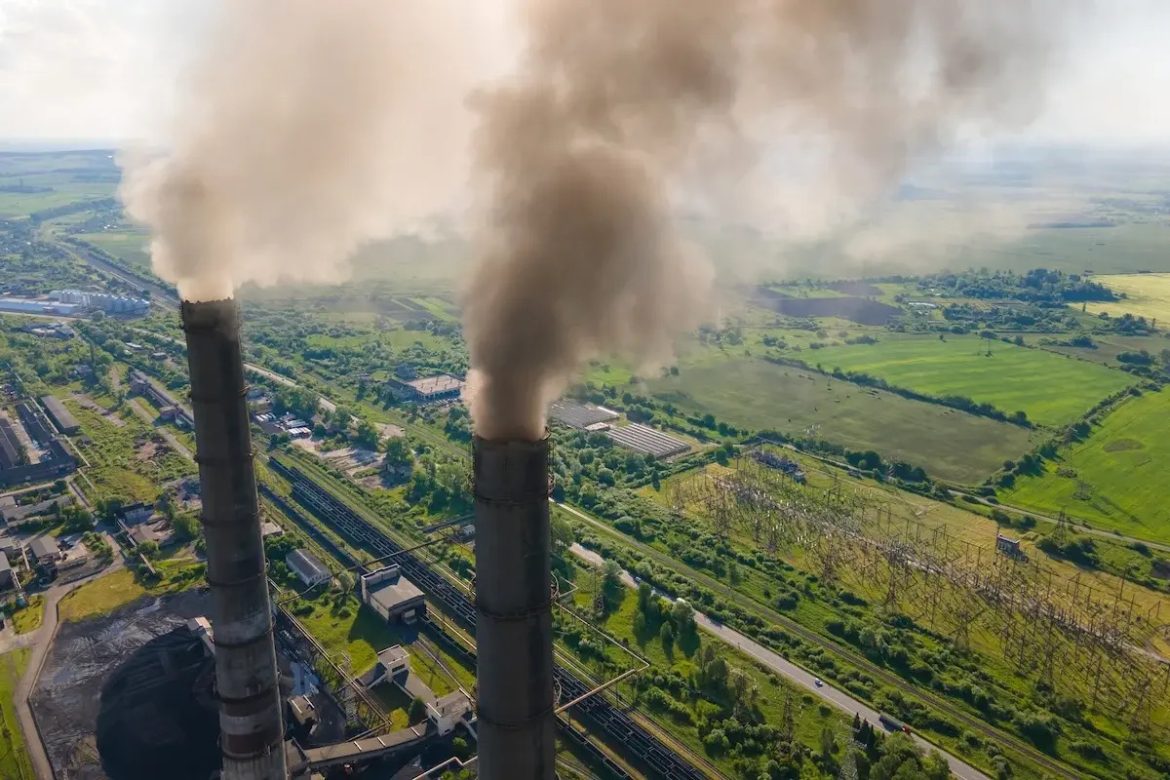
The advent of the Lagos Greenhouse Gas Registry (LGHGR) provides a change in the way businesses in Lagos State handle energy, emissions, and financial performance. Beyond environmental compliance, it provides a new way to create economic benefit for the telecommunications industry, which is one of the state’s biggest energy consumers. Telecom operators currently face enormous energy costs, estimated at ₦65 billion monthly, driven largely by unreliable grid power, rising fuel prices, and diesel dependence, which amounts to about 37,009,000 litres per month and 444,108,000 litres yearly. The LGHGR provides a structured framework to transform these operational challenges into measurable financial and strategic benefits.
Telecom networks are inherently energy-intensive. Their emissions fall into three categories: direct emissions from diesel generators powering base transceiver stations (BTS) and vehicles (Scope 1), indirect emissions from purchased electricity (Scope 2), and value chain emissions such as manufacturing and logistics (Scope 3). In Lagos, heavy reliance on diesel-powered base stations means Scope 1 emissions are the most significant, yet the most reducible and monetizable. The estimated emissions are about 99,185 tonnes of CO₂ monthly and 1,190, 220 tonnes of CO₂ yearly. Through the LGHGR, telecom operators can measure emissions reductions and convert them into carbon credits.
These credits can be sold in carbon markets, used to offset internal emissions, or traded with other organisations. Shifting from diesel generators to solar-hybrid systems can generate verifiable emissions reductions, turning avoided carbon into tradable financial assets. At typical voluntary carbon prices of $5 to $15 per tonne, there is a potential carbon value of $6 million to $18 million annually through the carbon markets. At the same time, improved energy efficiency lowers operating expenses, creating dual financial benefits.

Telecom operators have several practical pathways to cut emissions, including deploying solar and hybrid energy systems, optimising battery storage, upgrading to energy-efficient network equipment, using AI-driven energy management tools, and sharing infrastructure. These actions not only reduce emissions but also improve network reliability and uptime. Participation in the LGHGR unlocks access to green financing such as climate funds, green bonds, sustainability-linked loans, and development finance, while meeting investor demand for transparency and credible sustainability strategies. As regulations tighten, early adoption ensures compliance, manages carbon liabilities, and protects reputation. In contrast, failure to act could lead to penalties, reduced market access, and loss of investor confidence.
https://www.aecweek-registration.com/2026/
Beyond compliance, the LGHGR improves cost predictability, strengthens operational resilience, enhances competitive positioning, and supports Lagos State’s goals of better air quality, public health, and climate resilience, aligning business performance with societal impact. Registration typically involves conducting an emissions baseline assessment, implementing activity data collection systems, enrolling in the registry, undergoing third-party verification, reporting activities and emissions, and certifying reductions for carbon trading. In essence, the LGHGR is a catalyst for transforming how telecom operators create value. By converting emissions into financial assets, reducing energy costs, and unlocking access to new capital, the registry positions the telecoms operators to lead in a carbon-constrained economy. Those that act decisively will not only improve their bottom line but also future-proof their operations, strengthen their market position, and play a defining role in shaping a resilient, low-carbon Lagos.


