


Local authorities in Uganda’s Mayuge District are under growing pressure to safeguard years of investment in public health, gender equality and youth development following the conclusion of a major donor-funded programme, with implementing partners warning that the absence of clear sustainability mechanisms could erode development gains achieved over the past six years.
The concerns were raised during the phase-out ceremony of the Heroes Programme, a Netherlands-funded initiative implemented by Heroes for Gender Transformative Action across the Nile Basin districts of Mayuge and Namayingo. The programme, which focused on Sexual and Reproductive Health and Rights (SRHR), targeted young people aged between 10 and 24 years and women aged 15 to 49 years through interventions aimed at strengthening health systems, improving access to services and addressing social barriers linked to gender inequality and sexual and gender-based violence.
 The closure highlights a recurring challenge across Africa’s development landscape: how to sustain community services and institutional capacity after external funding ends. While donor-supported programmes often deliver measurable improvements in health, education and social protection outcomes, many struggle to maintain impact once financial support is withdrawn, particularly in districts with limited fiscal resources and competing development priorities.
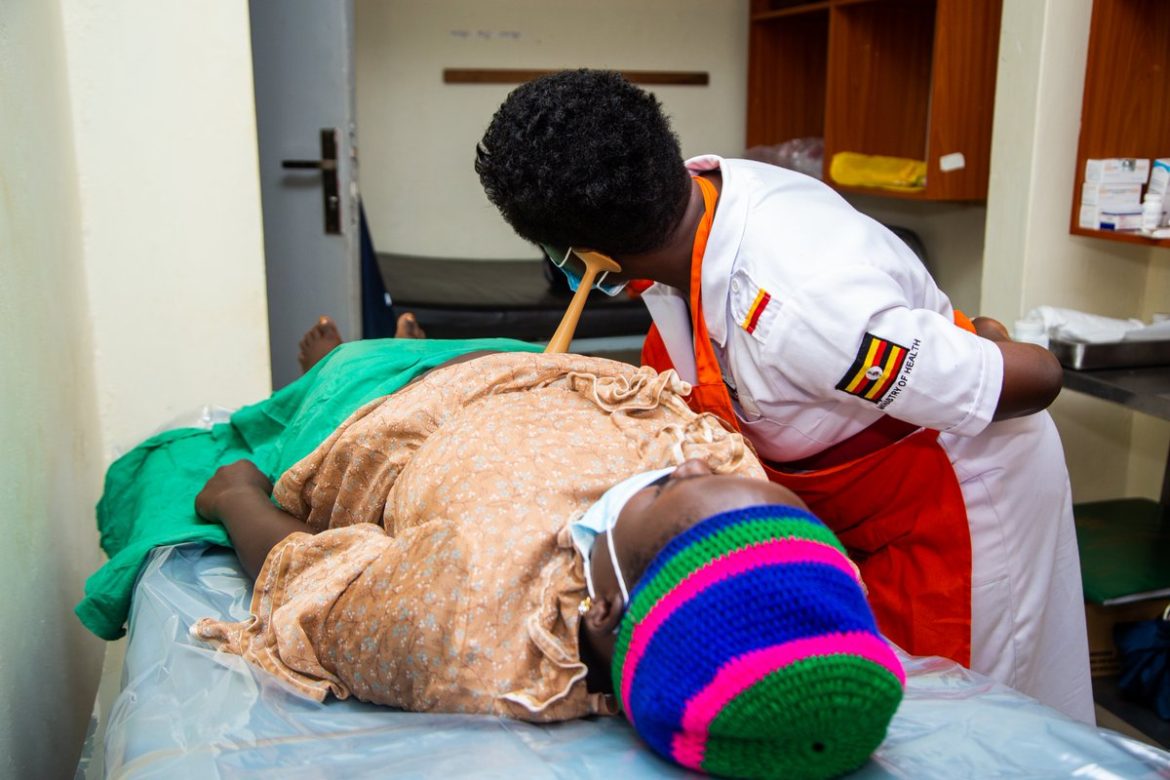
According to programme officials, the Heroes initiative contributed significantly to health service delivery in Mayuge. Investments supported antenatal and postnatal care services, youth-friendly health facilities, community outreach programmes and the training of health workers and peer educators. The programme also promoted gender-responsive approaches, strengthened survivor support systems for victims of sexual and gender-based violence and sought to improve decision-making capacity among young people and women.
Programme Manager Michael Muyomba said the initiative had become an important source of support for local health systems. According to programme data, the project contributed 45 percent of health facility budgets within targeted areas, financed 9.2 percent of annual Health Centre IV budgets, accounted for more than a third of Health Centre III Results-Based Financing allocations and supported nearly two-thirds of Primary Health Care funding in some facilities.
Such figures illustrate the extent to which development programmes often supplement local government service delivery in resource-constrained settings. While these investments can accelerate progress toward public health objectives, they can also expose structural vulnerabilities when funding cycles conclude without adequate transition planning.
Muyomba argued that sustainability should be treated as a core component of programme design rather than an end-stage consideration. He warned that the disappearance of services and infrastructure shortly after donor exit undermines public confidence and weakens accountability for development investments. According to him, the ability of districts to preserve project outcomes increasingly influences how development partners assess long-term effectiveness and value for money.
To mitigate these risks, programme officials proposed integrating key interventions into existing government systems. Recommendations included embedding education-focused models within district school supervision frameworks, strengthening health supply chain management through district health offices, maintaining community advice centres through local government budgets and linking beneficiary groups to national programmes such as the Parish Development Model (PDM) and Emyooga.
The discussions reflect a broader shift among development practitioners toward local ownership and institutional integration as critical factors for sustainability. Across Africa, governments and donors are increasingly seeking ways to reduce dependency on project-based interventions by strengthening public systems capable of sustaining outcomes independently.
District officials acknowledged both the achievements of the programme and the challenges associated with maintaining them. Assistant District Health Officer Betty Kawala credited the initiative with contributing to reductions in teenage pregnancies and early marriages while improving the skills and capacity of health workers. She noted that preserving the knowledge and community networks established through the programme would be essential to maintaining progress in health and social outcomes.
Principal Assistant Chief Administrative Officer Ali Kyamusana Nabongo indicated that district authorities would seek to integrate programme interventions into local planning frameworks despite financial constraints. He added that data generated through the project would support future planning decisions and help identify areas requiring targeted intervention.
Meanwhile, Assistant Resident District Commissioner Lazaro Magezi called for continued oversight of facilities and structures established through donor funding, arguing that infrastructure created for public benefit should remain functional regardless of programme timelines.
The debate in Mayuge reflects wider questions about development financing across Africa, where donor-funded projects continue to play a significant role in sectors such as health, education and social welfare. According to development analysts, sustainability challenges often emerge when local governments inherit programmes without corresponding financial resources or institutional capacity to maintain them.
The issue carries particular significance for public health systems already operating under budgetary pressures. Interruptions in service delivery can reverse gains in maternal health, adolescent wellbeing and gender equality, potentially increasing future costs for governments and communities alike.
The experience of the Heroes Programme also illustrates the growing importance of integrating social development initiatives into broader governance and planning frameworks. Effective transition strategies can help preserve institutional knowledge, maintain community trust and ensure that investments continue delivering benefits long after external funding has ended.
 Within the context of the African Union’s Agenda 2063, which emphasises inclusive development, improved healthcare access and resilient institutions, the challenge facing Mayuge is representative of a wider continental objective: transforming externally supported programmes into durable systems capable of sustaining development gains independently.
As local authorities assume greater responsibility for maintaining the programme’s legacy, the outcome will provide an important test of how development achievements can be preserved beyond donor funding cycles. The success or failure of these efforts may offer lessons for districts across Africa grappling with similar transitions as governments seek to strengthen service delivery while reducing reliance on external support.


