


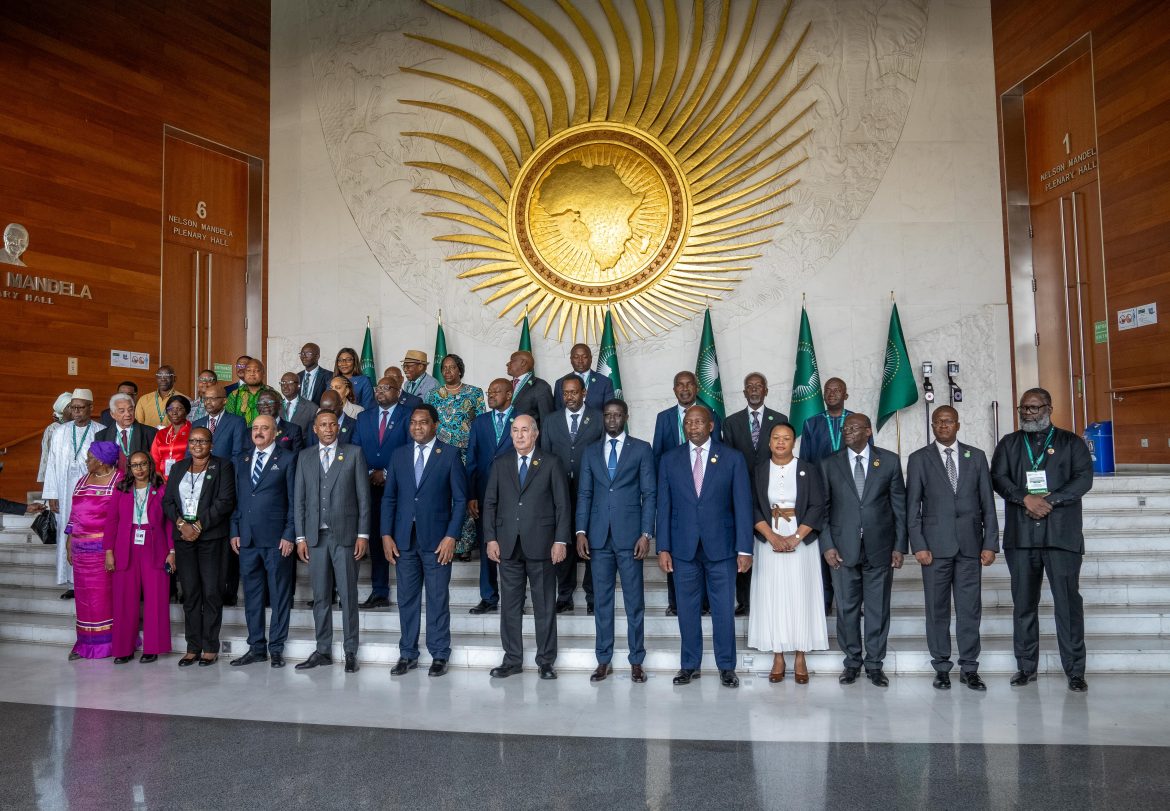
Political leaders and parliamentary representatives from across Africa convened in Gauteng, South Africa, on 16 June 2026 for the Conference of Speakers and Presiding Officers of the Commonwealth (CSPOC) Africa Region, a high-level gathering aimed at strengthening parliamentary institutions, advancing political stability and accelerating sustainable development across the continent. Hosted jointly by the Gauteng Provincial Legislature and the South African Parliament at Emperors Palace in Kempton Park, the week-long conference brought together approximately 300 delegates from national and sub-national legislatures to examine how proactive governance can support Africa’s long-term economic and social transformation.
Held under the theme “Proactive Parliaments and Sustainable Development: An Imperative for Political Stability in Africa,” the conference comes at a time when many African countries are confronting complex development pressures, including youth unemployment, governance challenges, climate risks, infrastructure deficits and rising demands for public accountability. According to organisers, the gathering seeks to strengthen legislative oversight and institutional capacity while fostering cooperation among African parliaments on shared development priorities.
 The opening of the conference coincided with South Africa’s Youth Day, commemorating the 1976 Soweto uprising. Delegates visited the Hector Pieterson Memorial before formal proceedings commenced, linking contemporary discussions on governance and development to the historical struggles that shaped democratic institutions across the continent. The symbolism underscored a broader message emerging from the conference: that political stability, inclusive governance and sustainable development remain closely interconnected.
A notable feature of this year’s conference was the prominent role played by the Gauteng Provincial Legislature. Traditionally centred on national parliaments, CSPOC’s collaboration with a provincial legislature reflects growing recognition that sub-national governments increasingly influence economic development, infrastructure planning, service delivery and regional integration efforts. This evolution mirrors broader governance trends across Africa, where decentralisation continues to expand the responsibilities of regional and local institutions.
Delegations from Botswana, Cameroon, Eswatini, Ghana, Lesotho, Malawi, Mozambique, Namibia, Nigeria, Uganda and South Africa participated in the discussions, alongside representatives from other parliamentary bodies across the continent. According to conference organisers, the objective extends beyond dialogue to the development of practical partnerships and policy approaches that can be adapted within individual legislative systems.
Addressing delegates during the opening session, Gauteng Acting Premier Faith Mazibuko highlighted the province’s economic significance within South Africa and the wider continent. She noted that Gauteng, despite being the country’s smallest province by land area, contributes more than one-third of South Africa’s gross domestic product and serves as a major centre for finance, logistics, communications and industrial activity. According to Mazibuko, Gauteng’s ambition to evolve into a globally competitive and environmentally sustainable city region is closely linked to broader continental development goals.
She argued that implementation of the African Continental Free Trade Area (AfCFTA) offers one of the most significant opportunities for accelerating industrialisation, expanding intra-African trade and improving economic resilience. According to Mazibuko, deeper economic integration could help unlock investment opportunities, strengthen regional value chains and create employment opportunities, particularly for young people, women and small enterprises.
The emphasis on cooperation resonated throughout the conference. According to participants, many of Africa’s development challenges increasingly transcend national borders, requiring coordinated approaches to governance, trade, infrastructure development, migration management and climate adaptation. The discussions reflected growing recognition that economic competitiveness and sustainable development depend not only on national policy choices but also on the effectiveness of regional institutions and collaborative frameworks.
The conference also highlights the role of legislative institutions in shaping development outcomes. Across Africa, parliaments are responsible for approving budgets, overseeing executive action, enacting legislation and ensuring public accountability. Weak parliamentary oversight can contribute to governance failures, inefficient public spending and diminished public trust. Conversely, stronger legislative institutions can improve policy implementation, support investment confidence and enhance institutional resilience.
This issue carries particular significance given Africa’s demographic profile. The continent has the world’s youngest population, with millions of young people entering labour markets each year. According to development economists, failure to generate sufficient economic opportunities could place increasing pressure on public institutions and social stability. The conference’s focus on proactive governance reflects concern that governments must anticipate demographic and economic challenges rather than respond only after crises emerge.
The discussions also intersect with broader sustainability objectives. Political stability remains a critical enabling factor for infrastructure investment, climate adaptation, energy transition strategies and economic diversification. Countries experiencing institutional instability often struggle to attract long-term investment, maintain public services or implement complex development programmes. In contrast, stronger governance systems can improve the effectiveness of public expenditure, support sustainable resource management and strengthen resilience to economic shocks.
The conference aligns closely with the African Union’s Agenda 2063, which identifies good governance, democratic institutions and regional integration as central pillars of Africa’s long-term development strategy. Agenda 2063 emphasises the importance of capable institutions in delivering inclusive growth, strengthening social cohesion and supporting sustainable industrialisation across the continent.
 As delegates move into substantive policy sessions, attention is expected to focus on legislative oversight, economic integration, governance reform and institutional innovation. While the outcomes of such gatherings are often difficult to quantify immediately, the conference provides a platform for legislators to exchange experiences, identify common challenges and explore policy solutions that can strengthen governance systems across diverse national contexts.
For Africa, the significance of the conference lies not only in its deliberations but in its recognition that sustainable development ultimately depends on institutional effectiveness. As governments seek to expand infrastructure, deepen regional trade, improve service delivery and strengthen climate resilience, the quality of legislative oversight and political governance will remain a determining factor in translating policy ambitions into measurable development outcomes.


