


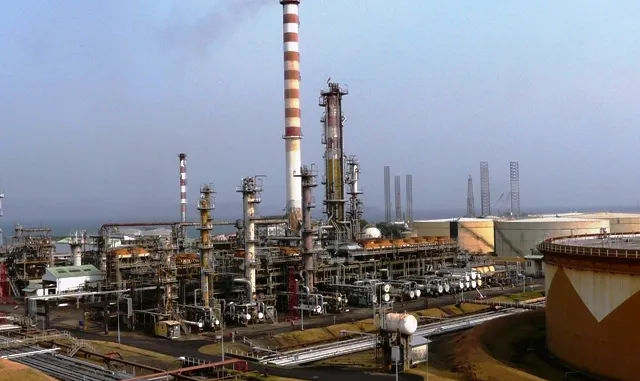
Cameroon has begun developing a national system of energy accounts designed to strengthen evidence-based policymaking, improve energy planning and support the country’s long-term economic and environmental objectives, as governments across Africa increasingly seek better data to manage the transition towards more sustainable and resilient energy systems.
The initiative, launched through a technical workshop in Douala from 22 to 26 June 2026, is being supported by the United Nations Economic Commission for Africa (ECA), Cameroon’s National Institute of Statistics (NIS), the World Bank-backed Harmonizing and Improving Statistics in West and Central Africa (HISWACA) project, and international statistical experts. The process aims to establish a comprehensive framework for measuring the relationship between energy production, consumption, economic activity and environmental impacts across the country.
 At the centre of the initiative is the development of energy accounts aligned with the United Nations System of Environmental-Economic Accounting (SEEA), an internationally recognised statistical framework that integrates environmental and economic data into national accounting systems. The framework enables governments to assess how natural resources contribute to economic growth while measuring the environmental consequences associated with their use.
The move comes as Cameroon faces growing pressure to expand energy access, support industrialisation and strengthen climate resilience while managing the environmental implications of rising energy demand. Like many African economies, the country is balancing competing development priorities that include economic transformation, energy security and commitments to sustainable resource management.
According to the ECA, energy accounts provide policymakers with a clearer understanding of how energy flows through an economy, from extraction and production to transformation, consumption and trade. They also track residual outputs such as greenhouse gas emissions and other environmental impacts associated with energy use.
Such information is increasingly important as African governments seek to attract investment into energy infrastructure while ensuring that growth remains consistent with climate and sustainability objectives. Reliable data on energy consumption patterns can help identify sectors with the highest energy intensity, improve efficiency planning and support the allocation of public and private capital.
The development of energy accounts aligns with Cameroon’s Vision 2035 development framework and the National Development Strategy 2020–2030, both of which identify structural transformation, industrial development and energy sector modernisation as central pillars of national economic policy. The accounts are expected to provide analytical tools capable of supporting these objectives by linking energy performance directly to economic outcomes.
For Cameroon, the initiative arrives at a time when access to affordable and reliable energy remains a critical determinant of economic competitiveness. While electricity generation capacity has expanded in recent years, energy shortages and infrastructure constraints continue to affect industrial productivity and business operations. Improved energy accounting could provide decision-makers with better insights into where investments are most needed and how energy resources contribute to broader development goals.
The implications extend beyond national planning. Across Africa, governments are increasingly recognising that energy transitions require stronger statistical systems capable of measuring progress, identifying investment opportunities and assessing policy effectiveness. Development finance institutions, investors and multilateral agencies increasingly rely on robust data to guide lending decisions, infrastructure investments and climate finance allocations.
Environmental-economic accounting is also becoming more relevant as countries attempt to quantify the economic costs of environmental degradation and climate-related risks. By integrating environmental indicators into national accounting systems, governments can gain a more complete understanding of how resource use affects economic performance over the long term.
The Douala workshop represents the first operational phase of Cameroon’s energy accounting programme. Participants are expected to identify existing datasets, evaluate technical requirements, assess institutional capacities and develop a roadmap for the compilation of future energy accounts. The process will also identify data gaps that may require further investment in statistical infrastructure and coordination among government agencies.
The initiative forms part of Cameroon’s National Plan for the Development of Environmental-Economic Accounting, adopted in 2023 to guide the implementation of SEEA standards across multiple sectors of the economy. Energy accounts have been designated as a priority area under the framework, reflecting their strategic importance for economic planning and sustainable development.
The involvement of the United Kingdom’s Office for National Statistics alongside regional and international partners highlights the growing recognition that statistical capacity is becoming a critical component of economic governance. Accurate measurement systems increasingly underpin decisions on energy investments, industrial policy, environmental management and climate adaptation.
For Africa more broadly, Cameroon’s effort illustrates a wider shift towards data-driven development planning. As governments pursue industrialisation while responding to climate challenges, the ability to measure interactions between energy systems, economic growth and environmental outcomes is becoming increasingly important.
 The success of such initiatives will ultimately depend on the quality of data collected, institutional coordination and the ability of policymakers to translate statistical insights into practical policy decisions. However, as energy demand continues to rise across the continent, investments in environmental-economic accounting may prove as important as investments in physical infrastructure in shaping future development outcomes.
By strengthening its capacity to understand the economic and environmental dimensions of energy use, Cameroon is positioning itself to make more informed decisions about resource allocation, energy security and sustainable growth. In a continent where energy access, industrial competitiveness and climate resilience are becoming increasingly interconnected, the development of robust energy accounts represents an important step towards more integrated economic governance.


