


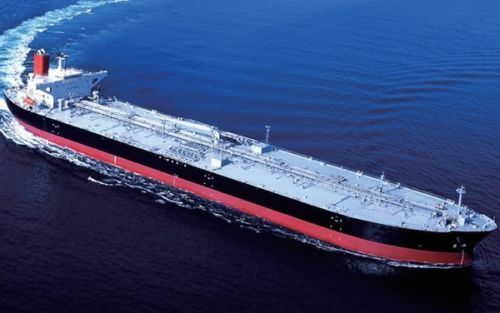
South Sudan has secured temporary relief in its legal dispute with international oil trader BB Energy after agreeing to deliver three crude oil cargoes by November 2026, allowing the partial lifting of a court injunction that had restricted the government’s ability to secure new oil-backed financing. The agreement, filed at the High Court in London in early July 2026, provides short-term breathing space for Juba’s finances, but leaves unresolved a wider dispute over outstanding obligations reportedly amounting to $142 million. If no final settlement is reached by the end of November, the injunction could be reinstated, potentially reopening constraints on one of the government’s most important sources of revenue.
The dispute highlights the broader financial vulnerability of South Sudan’s economy, where crude oil remains the dominant source of government income. According to African Security Analysis, oil contributes between 85% and 90% of national revenues, making access to oil-backed financing mechanisms a critical component of public finance management. The injunction secured by BB Energy earlier in 2026 prevented South Sudan from entering into new advance payment agreements with other oil buyers. These arrangements allow governments to receive immediate financing by pledging future oil cargo deliveries, a practice used by several resource-dependent economies to manage liquidity challenges.

For South Sudan, where limited domestic revenue sources and infrastructure constraints have restricted economic diversification, oil prepayment agreements have become a significant financing tool. However, they have also increased exposure to repayment risks when production disruptions, political instability or operational challenges affect crude exports. Under the latest agreement, South Sudan will deliver three cargoes of approximately 600,000 barrels each of Dar Blend and Nile Blend crude oil to BB Energy. The deliveries are scheduled for August, September and November 2026, with the temporary suspension of the injunction remaining effective until the completion of the final cargo.
BB Energy’s Head of Business Development, Jas Grewall, welcomed the agreement, describing it as a constructive step while expressing the company’s intention to continue discussions aimed at resolving the outstanding dispute. The arrangement marks the first significant easing of tensions since the dispute emerged in 2025. In February of that year, BB Energy provided South Sudan with $100 million in exchange for a commitment to receive five crude oil cargoes. By early 2026, only one cargo had reportedly been delivered, prompting the company to seek legal intervention. The High Court in London issued the injunction in May 2026 after BB Energy argued that South Sudan’s failure to deliver the agreed cargoes represented a breach of its financing agreement. The order restricted the government from entering into additional oil prepayment arrangements with other parties, limiting its ability to raise short-term financing against future production.
Although South Sudan subsequently committed to delivering additional cargoes, the broader legal dispute remained unresolved until the latest agreement. The case reflects wider challenges facing African oil-producing economies that rely heavily on commodity-backed financing. While such mechanisms can provide governments with immediate liquidity for public expenditure, infrastructure development and emergency financing needs, they can also create significant fiscal pressure when future revenues are committed ahead of time. South Sudan’s reliance on oil-backed borrowing has expanded in recent years as the government seeks to finance operations amid economic pressures, political uncertainty and infrastructure limitations. However, obligations linked to these agreements have raised concerns about the sustainability of future oil revenues.
According to Global Trade Review, South Sudan has accumulated more than $2 billion in oil-backed financing obligations involving institutions and companies including Qatar National Bank (QNB), the African Export-Import Bank (Afreximbank) and Emirati trader Nasdec. The country has reportedly faced difficulties meeting some repayment commitments under these arrangements. The situation places South Sudan among several African resource-dependent economies confronting the challenge of balancing immediate financing needs with long-term fiscal sustainability. Oil-backed borrowing can provide access to capital where traditional financing channels remain limited, but it requires strong governance frameworks, transparent contracts and careful management of future revenues.
For investors and development partners, the dispute also highlights the importance of risk management in African energy markets. Political risk insurance, transparent commodity agreements and stronger institutional frameworks are increasingly becoming central considerations for financing natural resource sectors. South Sudan’s oil industry faces additional operational challenges beyond financing disputes. The country’s crude exports depend heavily on pipelines running through neighbouring Sudan, where conflict and instability have periodically disrupted production and transportation arrangements.
https://www.aecweek-registration.com/2026/
These vulnerabilities demonstrate how energy revenues in fragile economies are influenced not only by market conditions but also by infrastructure reliability, regional security and governance capacity. The temporary resolution with BB Energy provides South Sudan with additional time to negotiate a longer-term settlement and stabilise its financing position. However, the possibility of renewed legal restrictions after November underscores the urgency of addressing outstanding obligations and improving the management of oil revenues.
For Africa’s resource-rich economies, the South Sudan case illustrates a broader policy challenge: ensuring that natural resources generate sustainable development outcomes rather than becoming sources of long-term financial vulnerability. As governments seek investment for infrastructure, public services and economic diversification, stronger institutions and responsible resource financing strategies will remain essential.


