


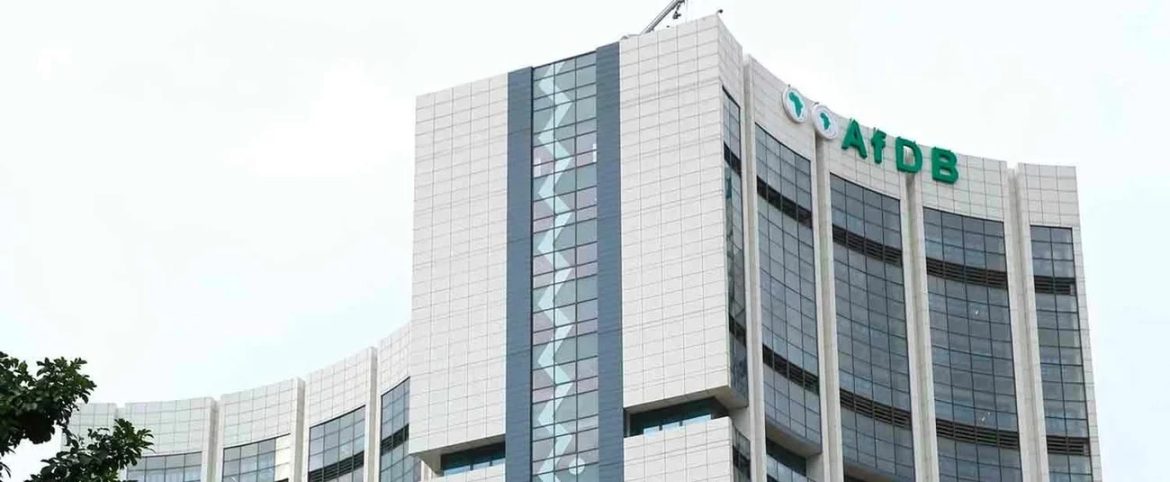
The African Development Bank Group (AfDB) has approved US$878.09 million in financing for the second phase of Algeria’s Laghouat–Ghardaïa–El Meniaa railway, reinforcing the country’s long-term strategy to modernise transport infrastructure, improve logistics and strengthen economic integration between North Africa and Sub-Saharan Africa. Approved by the Bank’s Board of Directors on 14 July 2026, the financing will support construction of the 230-kilometre Ghardaïa–El Meniaa section, forming part of a larger 495-kilometre railway corridor designed to extend Algeria’s rail network deeper into the Sahara. The project is expected to enhance freight and passenger mobility, stimulate regional investment and lay the groundwork for the future Trans-Saharan Railway, a strategic corridor that could eventually connect Algeria with Niger and wider African markets under the framework of the African Continental Free Trade Area (AfCFTA).
The latest financing represents the second phase of one of Algeria’s most ambitious transport infrastructure programmes and builds upon the first phase approved by the African Development Bank in December 2025. Once completed, the railway will link the northern city of Laghouat with Ghardaïa and El Meniaa, significantly expanding rail connectivity into Algeria’s southern regions while supporting broader national objectives of economic diversification and territorial integration.
For Algeria, where hydrocarbons have historically dominated the economy, investment in modern transport infrastructure has become an increasingly important component of efforts to stimulate industrial development, diversify exports and unlock the economic potential of inland regions. Expanding railway infrastructure also aligns with government plans to strengthen logistics networks capable of supporting mining, agriculture, manufacturing and regional trade.
According to the African Development Bank, the railway will improve both passenger and freight transport by reducing travel times and lowering transport costs across one of the country’s most strategically important corridors. Improved rail connectivity is expected to facilitate the movement of agricultural products, mining resources and manufactured goods, enabling businesses to access domestic and regional markets more efficiently. Lower logistics costs could enhance the competitiveness of Algerian industries while supporting investment in sectors located beyond the country’s traditional coastal economic centres.
Transport infrastructure remains one of the most significant determinants of economic competitiveness across Africa. According to the African Development Bank, inadequate transport networks increase the cost of doing business, constrain industrial development and limit opportunities for regional trade. Modern railway systems provide an efficient alternative for moving high volumes of freight over long distances while reducing pressure on road infrastructure. The Laghouat–Ghardaïa–El Meniaa corridor is expected to generate substantial economic benefits throughout both the construction and operational phases. Beyond direct employment opportunities, improved transport infrastructure is anticipated to stimulate investment in logistics, warehousing, manufacturing and supporting services across southern Algeria.
The railway also carries broader strategic significance through its role in the future Trans-Saharan Railway, an infrastructure initiative that has long been viewed as a potential catalyst for deeper economic integration between North Africa and the Sahel.Once fully realised, the Trans-Saharan Railway would connect Algeria with Niger, creating new trade corridors linking Mediterranean ports with inland African markets. Such connectivity could significantly improve the movement of goods between North and West Africa while supporting the objectives of the African Continental Free Trade Area, which seeks to expand intra-African trade by reducing transport costs and strengthening regional infrastructure.
According to the African Union, improving transport connectivity remains fundamental to achieving Agenda 2063, which identifies integrated infrastructure as a cornerstone of continental economic transformation. Efficient railway corridors reduce logistical bottlenecks, encourage cross-border investment and strengthen supply chains that underpin industrial development. The project also reflects growing emphasis on sustainable transport as part of Africa’s climate and development agenda.
Rail transport is widely recognised as one of the most energy-efficient modes of land transportation, particularly for freight movement. Compared with road transport, modern rail systems generally consume less energy per tonne transported while producing lower greenhouse gas emissions. As African economies pursue industrial growth alongside climate commitments, investment in rail infrastructure is increasingly viewed as an opportunity to support both economic development and environmental sustainability. According to the International Energy Agency (IEA), expanding rail freight networks can play an important role in reducing emissions from the transport sector, particularly when integrated with cleaner energy systems and efficient logistics operations.
For Algeria, strengthening rail infrastructure may also help reduce congestion on major road corridors, improve transport safety and lower long-term maintenance costs associated with heavy road freight traffic. Diversifying freight transport options enhances the resilience of national logistics systems while improving the efficiency of domestic and international supply chains.The financing further illustrates the African Development Bank’s continued commitment to supporting strategic infrastructure across the continent.Transport infrastructure remains one of the Bank’s core investment priorities under its High 5 development agenda, particularly the objective of “Integrate Africa,” which focuses on strengthening regional connectivity through roads, railways, ports, airports and energy infrastructure.
According to the Bank, investments in transport corridors generate broader development impacts by connecting production centres with markets, reducing transaction costs and expanding access to economic opportunities. Improved connectivity also strengthens resilience by facilitating the movement of goods during supply chain disruptions while improving access to education, healthcare and public services for communities in previously isolated regions.
The railway is expected to contribute to Algeria’s broader strategy of balanced regional development by increasing economic activity in southern provinces that have historically experienced lower levels of infrastructure investment compared with coastal areas. Enhanced accessibility may encourage private sector investment in mining, renewable energy, tourism, logistics and agribusiness, supporting more diversified patterns of economic growth.
The project also aligns with broader efforts across Africa to modernise transport systems capable of supporting the continent’s rapidly expanding trade ambitions. According to the United Nations Economic Commission for Africa (UNECA), transport inefficiencies remain among the principal barriers limiting intra-African trade despite the establishment of the AfCFTA. Reducing transport times and improving logistics infrastructure are therefore essential for enabling businesses to benefit fully from continental market integration.
From a financing perspective, the investment demonstrates the growing role of multilateral development banks in supporting large-scale infrastructure capable of delivering long-term economic transformation. Major railway projects often require substantial upfront capital investment beyond the financing capacity of national governments alone, making concessional financing from development institutions critical for implementation.
The Laghouat–Ghardaïa–El Meniaa railway illustrates how infrastructure financing increasingly serves multiple development objectives simultaneously. Beyond improving transport efficiency, the project supports industrialisation, regional integration, climate resilience and economic diversification while strengthening Algeria’s position within emerging African trade corridors.
As construction progresses, the railway is expected to become a key component of North Africa’s evolving transport network and a significant contributor to broader continental connectivity. For Africa, investments of this scale reinforce the growing recognition that modern infrastructure is not merely a facilitator of economic activity but a strategic asset capable of shaping regional competitiveness, strengthening resilience and advancing sustainable development over the coming decades.


