


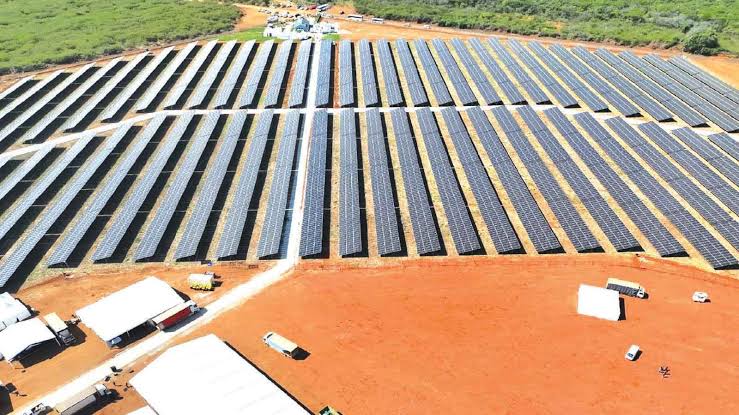
Zimbabwe is approaching financial close on the landmark Kariba Floating Solar Project, a renewable energy development that could become one of Africa’s largest floating solar installations and a defining milestone in the country’s efforts to strengthen electricity security, support industrial growth and accelerate the transition to a more climate-resilient energy system. Developers expect to conclude financing later this year as engineering design, budget preparation and grid integration activities move into their final stages, paving the way for construction of a project that is expected to transform the utilisation of Lake Kariba as a strategic renewable energy asset.
The project, which will initially generate approximately 250 megawatts (MW) of electricity with plans to expand to around 600MW over time, is being developed by Green Hybrid Power, a special purpose vehicle established by the Intensive Energy Users Group (IEUG). Designed primarily to supply electricity to Zimbabwe’s large industrial consumers while strengthening the national electricity grid, the floating solar installation reflects a growing trend across Africa of integrating innovative renewable energy technologies with existing infrastructure to improve energy resilience and reduce dependence on fossil fuels.
Its progress comes at a time when African governments are accelerating investment in renewable energy to address rising electricity demand, increasing climate risks and persistent power shortages that continue to constrain industrialisation and economic development. According to the International Energy Agency (IEA), electricity demand across Africa is expected to more than double by 2040 as population growth, urbanisation and industrial expansion place additional pressure on existing energy systems. Meeting that demand while reducing greenhouse gas emissions will require substantial investment in diversified renewable energy generation.
Zimbabwe’s energy sector has long been characterised by supply deficits and recurring electricity shortages that have affected mining, manufacturing, agriculture and public services. Although the country possesses significant hydropower capacity through the Kariba Dam, electricity generation has increasingly been affected by fluctuating water levels linked to prolonged droughts and changing rainfall patterns associated with climate change.
According to the African Development Bank (AfDB), Southern Africa has experienced more frequent and severe droughts in recent years, exposing the vulnerability of hydropower-dependent electricity systems. Countries including Zimbabwe and Zambia have faced reduced power generation as declining reservoir levels limited hydroelectric output, forcing utilities to implement power rationing and increasing reliance on expensive emergency electricity imports.
The Kariba Floating Solar Project is intended to address these vulnerabilities by complementing existing hydropower infrastructure. Floating solar panels installed on the surface of Lake Kariba will generate electricity during daylight hours, reducing pressure on hydroelectric generation and allowing reservoir water to be conserved for periods when solar production declines. This hybrid approach is increasingly recognised internationally as an effective strategy for improving grid reliability while maximising the value of existing water infrastructure.
Unlike conventional ground-mounted solar facilities, floating solar technology offers several operational advantages. By utilising reservoirs and artificial lakes, projects avoid competition for agricultural land and minimise land acquisition requirements. The cooling effect of water can also improve photovoltaic panel efficiency while reducing evaporation from reservoirs—an increasingly valuable benefit in water-stressed regions.
According to the International Renewable Energy Agency (IRENA), floating solar installations have expanded rapidly over the past decade, particularly across Asia, Europe and parts of Latin America. Africa has comparatively limited installed floating solar capacity, creating opportunities for early adopters such as Zimbabwe to establish technical expertise while demonstrating the commercial viability of the technology.
Developers say engineering design work for the Kariba project is nearing completion alongside preparations for integrating the facility into Zimbabwe’s national electricity network. Budget planning is also being finalised as financing negotiations progress.
According to project officials, funding is expected to involve development finance institutions, including the African Export-Import Bank (Afreximbank), reflecting increasing interest among regional lenders in financing strategic clean energy infrastructure. Development finance institutions have become important sources of long-term capital for renewable energy projects across Africa, helping reduce investment risks while mobilising additional private sector participation.
Read also:Zimbabwe: Solar-Powered Water Pumps for Kariba Villagers
For Zimbabwe, reliable electricity remains central to broader economic recovery and industrial competitiveness. The mining sector, which contributes significantly to export earnings and government revenue, depends heavily on stable power supplies. Gold production, platinum mining and the rapidly expanding lithium industry all require consistent electricity to support extraction, processing and value addition.
The country’s growing lithium sector is particularly important as global demand for battery minerals continues to increase alongside the expansion of electric vehicle manufacturing and renewable energy storage technologies. According to the International Energy Agency, demand for critical minerals such as lithium could grow several-fold over the coming decades as countries accelerate the global energy transition.
Strengthening domestic electricity supply could therefore enhance Zimbabwe’s ability to process minerals locally rather than exporting raw materials, supporting industrialisation while increasing export value and employment opportunities.
Beyond mining, improved electricity reliability is expected to benefit manufacturing, agriculture, healthcare and digital industries by reducing operational disruptions and lowering dependence on diesel-powered backup generators, which significantly increase business costs during periods of load shedding.
The project also carries broader regional significance. Lake Kariba is jointly shared by Zimbabwe and Zambia and forms part of the Southern African Power Pool (SAPP), the regional electricity market that enables participating countries to trade electricity across interconnected transmission networks. Additional renewable generation capacity could strengthen regional energy security by supporting cross-border electricity trade and improving system flexibility during periods of supply shortages.
According to the Southern African Power Pool, regional electricity demand continues to outpace available generation capacity despite increasing investment in renewable energy and transmission infrastructure. Expanding utility-scale projects such as Kariba Floating Solar could therefore contribute to greater regional market stability while supporting economic integration across Southern Africa.
The initiative also aligns with Zimbabwe’s broader climate and sustainable development objectives. The country has committed under its Nationally Determined Contribution (NDC) to expanding renewable energy deployment while improving resilience to climate change and reducing greenhouse gas emissions. Investments in solar energy complement national efforts to diversify the electricity mix and reduce dependence on climate-sensitive hydropower generation.
Across Africa, floating solar is attracting growing attention as governments seek innovative solutions that maximise existing infrastructure while minimising environmental and land-use impacts. Countries including Ghana, Kenya, South Africa and Morocco have explored floating solar opportunities on reservoirs, dams and water treatment facilities as part of broader renewable energy strategies.

Nevertheless, successful implementation of Zimbabwe’s project will depend on securing financing, completing technical integration with the national grid and maintaining effective coordination among government agencies, developers and financiers. Large-scale renewable infrastructure projects also require long-term regulatory certainty, transmission investments and operational expertise to ensure reliable performance throughout their lifecycle.
If financial close is achieved as anticipated, the Kariba Floating Solar Project would represent one of the continent’s most significant renewable energy investments and reinforce Africa’s growing role in deploying innovative clean energy technologies. Beyond generating electricity, the project demonstrates how integrated renewable energy systems can strengthen climate resilience, improve industrial competitiveness and support long-term economic transformation.
As African countries continue to diversify their energy systems in response to rising demand and increasing climate risks, Zimbabwe’s investment highlights the expanding role of utility-scale renewable energy as both an infrastructure priority and an economic development strategy. The successful delivery of the Kariba Floating Solar Project could provide a replicable model for other nations seeking to harness existing water infrastructure to build more resilient, low-carbon and inclusive energy systems.


