


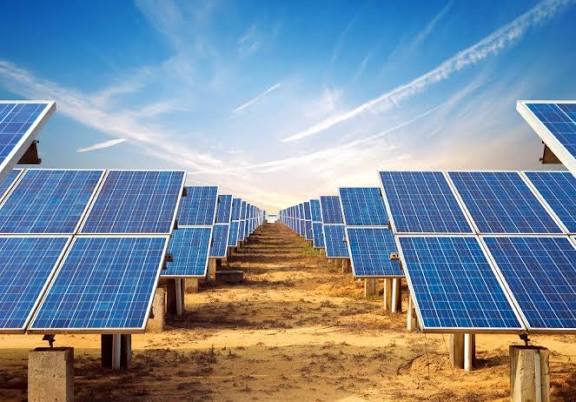
Solarise Africa has secured a €1 million grant from EEP Africa to establish operations in Zambia and expand its renewable energy business in Uganda, targeting businesses seeking more reliable electricity supplies amid persistent power constraints across sub-Saharan Africa. The 24-month programme will combine the grant with an additional €1 million contribution from Solarise Africa to create a €2 million investment package aimed at deploying 3 megawatts (MW) of additional renewable energy capacity.
Announced on 13 October 2026, the programme will focus primarily on solar installations, alongside battery energy storage systems and heat pumps where appropriate. The expansion is intended to establish local partnerships and commercially viable operations that can continue delivering energy infrastructure beyond the grant period.
The move into Zambia comes as electricity shortages continue to create challenges for businesses operating in a power system heavily dependent on hydropower. An International Monetary Fund report published in January 2026 estimated that Zambia faced an electricity supply deficit of approximately 707 MW in 2025. The shortfall has increased the importance of alternative sources of electricity for companies seeking to maintain production, manage operating costs and reduce exposure to supply disruptions.

For businesses, unreliable electricity can affect manufacturing schedules, refrigeration, processing, communications and other energy-dependent operations. Companies may need to reduce output or invest in backup generation to maintain continuity, creating additional costs that can weaken competitiveness. Distributed renewable energy systems offer one potential response by allowing businesses to generate electricity closer to where it is consumed.
Solarise Africa’s proposed expansion is designed to address part of this demand through project-based renewable energy deployment. By combining solar installations with battery storage, the company can potentially help customers use electricity generated during daylight hours at other times, depending on system design, storage capacity and consumption patterns. The extent of the benefit will vary according to customer demand, installation costs and the availability of suitable sites.
Zambia’s reliance on hydropower makes its electricity supply particularly sensitive to water availability. When hydrological conditions constrain generation, the effects can spread across the economy, affecting businesses and households that depend on consistent power. Solar energy can diversify the sources available to consumers, although its variable output means that storage, grid management and complementary generation remain important to reliable supply.
The 3 MW deployment target under the Solarise Africa programme is modest relative to the national electricity deficit. Its significance lies instead in the potential to demonstrate commercially viable distributed energy solutions for businesses and establish a platform for further investment. Whether the programme can scale beyond its initial capacity will depend on customer demand, access to financing, project economics and the strength of its local partnerships.
Solarise Africa co-founder and Chief Operating Officer Sakkie Van Wijk said the company intended to build operations that would remain commercially viable after the grant-funded programme ends.
“The long-term prospects extend far beyond this project,” Van Wijk said. He added that EEP Africa’s support would help the company establish the foundations for continued energy infrastructure deployment in Zambia and Uganda while maintaining its technical, financial and operational standards.
The grant-and-co-investment structure gives the programme a total budget of €2 million, with Solarise Africa matching the grant through its own contribution. This arrangement combines external support with company capital, helping fund market entry and expansion while requiring the business to commit resources to implementation.
For renewable energy providers entering new markets, the early stages of expansion can involve costs beyond equipment installation. Companies must establish commercial relationships, understand regulatory requirements, identify suitable customers and develop the technical and operational capacity needed to maintain systems. Local partnerships can help address these requirements, but the programme’s long-term performance will depend on whether the resulting projects can attract customers and generate sufficient revenue to support continued operations.
Uganda provides a second market for the programme, with the funding intended to expand Solarise Africa’s existing operations there. The company has not specified in the supplied announcement how the 3 MW deployment will be divided between Zambia and Uganda. The final allocation will therefore depend on project development and implementation decisions made during the 24-month period.
The inclusion of battery storage and heat pumps also points to an approach that extends beyond conventional rooftop solar installations. Battery systems can improve the flexibility of solar electricity by shifting some supply to periods when generation is lower. Heat pumps can provide efficient heating or cooling in suitable applications, potentially reducing energy consumption compared with less efficient alternatives. Their commercial value depends on local operating conditions, equipment requirements and the economics of each installation.
Founded in 2018, Solarise Africa has pursued regional growth supported by institutional financing. In July 2025, Mergence Investment Managers provided the company with R60 million, equivalent to approximately US$3.6 million at the time of the announcement, to support its operations in South Africa. The latest grant-backed programme extends its regional strategy into Zambia while strengthening its presence in Uganda.

The expansion reflects a broader commercial opportunity for decentralised energy providers as businesses look for alternatives to unreliable electricity supplies. However, converting that demand into sustained deployment requires financing structures that match customer cash flows, credible project assessments and dependable maintenance arrangements. In markets where businesses face high capital costs or uncertain revenue, the ability to offer financially accessible energy solutions can influence adoption.
The programme’s longer-term significance will depend on what follows the initial 3 MW deployment. Establishing viable operations in both countries could create a foundation for additional projects, while effective local partnerships may help the company respond to the differing needs of customers and energy markets. Conversely, limited project uptake, financing constraints or difficulties in securing suitable customers could restrict expansion beyond the funded period.
Solarise Africa’s €2 million programme therefore represents both a market-entry initiative and a test of the commercial prospects for distributed renewable energy in two African markets. In Zambia, where electricity supply constraints have exposed businesses to operational risks, additional solar and storage capacity could help individual customers improve energy security. The wider contribution will depend on whether the company can turn the initial funding into projects that remain financially sustainable and continue expanding after the grant ends.


