


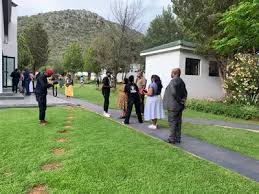
A new wildlife film festival in Komani, Eastern Cape, is seeking to use film and conservation storytelling to connect audiences with the region’s natural heritage while creating a platform for filmmakers, conservation practitioners and communities to engage with the economic and social realities of protecting biodiversity. The initiative comes as African conservation efforts increasingly depend not only on protected areas and scientific programmes, but also on public understanding, community participation and sustainable local economic opportunities.
The festival’s focus reflects a broader shift in environmental storytelling in Africa, where wildlife films are increasingly being used to move conservation beyond images of iconic species and into questions of livelihoods, land use, community participation and the management of natural resources. In that context, a festival based in Komani could provide a local platform for stories that are often produced for audiences outside the communities where conservation challenges occur.
Komani, formerly known as Queenstown, sits within the Eastern Cape, a province with significant biodiversity and a long-standing relationship between rural communities, agriculture, tourism and natural-resource management. The province has also sought to develop its film industry as part of its wider economic development strategy, recognising the sector’s potential to generate employment and support local creative enterprises.
That intersection between creative industries and conservation is important because wildlife protection carries economic consequences well beyond national parks and private reserves. Tourism revenues, rural employment, agricultural productivity, water security and the resilience of ecosystems are all linked to how landscapes are managed. When conservation stories are told primarily to international audiences, however, the people living alongside those landscapes may have limited influence over how their experiences and priorities are represented.

The emerging festival therefore places storytelling within a wider conservation economy. A film can document an endangered species or threatened ecosystem, but its longer-term value depends partly on whether the story helps audiences understand the institutions, livelihoods and trade-offs behind conservation decisions. This is particularly relevant in rural parts of Africa, where communities may experience conservation policies through changes in access to land, restrictions on natural-resource use, tourism activity or new employment opportunities.
South Africa already has examples of wildlife filmmaking being used to bring complex conservation issues to wider audiences. A recent documentary, Return of the Cheetah 3: #bloodlines, for example, examined the genetic challenges facing cheetahs kept in fenced reserves and the conservation interventions required to maintain genetic diversity. The production involved the Endangered Wildlife Trust and the Cheetah Conservation Fund and illustrated how wildlife storytelling can expose less visible scientific and management challenges behind conservation outcomes.
Across the continent, the growth of African-led wildlife filmmaking is also changing who controls conservation narratives. The Pridelands Wildlife Film Festival in Kenya, for instance, has positioned African storytellers at the centre of wildlife and conservation factual storytelling, while creating opportunities for local filmmakers and industry participants to connect with international audiences. Its move to Mombasa in 2026 also broadened its focus to include marine conservation and the blue economy.
For the Eastern Cape, the economic dimension is particularly relevant. Film production can bring spending to local accommodation, transport, catering, technical services and creative labor, while conservation-focused productions can create demand for local researchers, guides, photographers and storytellers. The economic benefit, however, depends on whether these opportunities remain embedded in local production networks rather than being concentrated among external companies.

The festival’s significance will ultimately be measured less by the number of films screened than by whether it strengthens the connection between conservation knowledge and the communities expected to live with its consequences. For African conservation systems facing pressure from climate change, habitat loss, changing land-use patterns and constrained public resources, that connection is becoming increasingly important.
Komani’s experience also points to a wider opportunity for African towns and cities outside established tourism centres. Developing local platforms for environmental storytelling can diversify the conservation economy while giving communities greater ownership of the narratives attached to their landscapes. If sustained, such initiatives could form part of a broader effort to link cultural production, biodiversity conservation and local economic development rather than treating them as separate policy concerns.
The development is therefore not simply about bringing wildlife films to a new audience. It reflects a growing recognition that conservation outcomes are shaped by the stories societies tell about nature, the people represented in those stories and the economic systems surrounding the protection of ecosystems. For Africa, where conservation remains closely tied to rural livelihoods and tourism revenues, strengthening those connections could be as important as expanding the number of films documenting wildlife itself.


