


By The Conversation
Flying along the coast in Senegal, it’s impossible not to notice thousands of dots below in the water. These are large, planked fishing canoes, the product of centuries of design and tradition, and a vital part of the local economy.
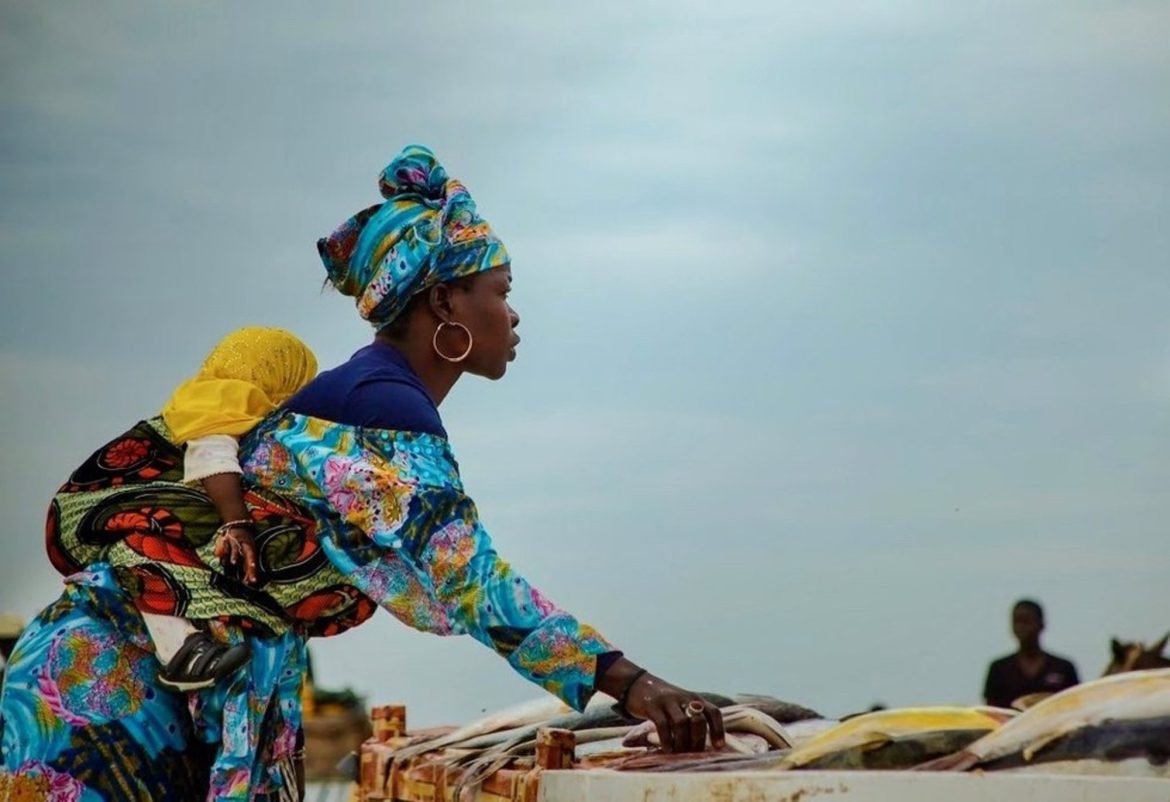
When the fishing crews come home, Senegalese beaches come alive with activity. Women sort the catch and prepare it for sale in the local market or sell it to wholesalers who may put it on a truck to Dakar, the country’s capital. Young people sell drinks or help beach the canoes while others drive carts to carry fish to markets.
The canoes and fishing activities are only a small part of a large chain that begins with boat-building and net-making and ends with marketing and consumption of the catch, often in towns far away.
These types of local fishery economies occur the world over but have often been overlooked or not well understood by policymakers when considering priorities for coastal towns and regions. Yet increasingly, international studies are focusing on local and traditional fisheries and the value they bring to their communities. In many countries, artisanal or small-scale fisheries represent most of the people working in fisheries, and in many developing countries they provide nearly half of the fish caught for human consumption.


