


African fiscal authorities and development experts meeting at the Fourteenth Conference on Climate Change and Development in Africa warned that chronic delays in disbursing international climate funds are severely constraining public budgets and stalling critical adaptation initiatives across the continent. According to delegates gathered in the Ethiopian capital, the widening chasm between high-level international funding pledges and actual capital deployment has left domestic treasuries to shoulder the heavy financial burden of climate shocks. This structural deficit directly threatens economic stability, agricultural productivity, and infrastructure resilience in economies that contribute negligibly to global emissions yet bear the brunt of intensifying environmental volatility.
 The friction over climate finance underscores a deepening systemic challenge for African development planning. While international agreements continue to set ambitious targets for green transitions, the mechanics of capital flow remain heavily skewed toward debt-creating instruments rather than accessible grants or concessional financing. According to regional economic assessments, Africa currently captures only a fraction of its estimated annual climate finance requirements, forcing governments to divert scarce national revenues away from health, education, and foundational infrastructure to fund emergency disaster recovery and basic adaptation measures. This dynamic exacerbates sovereign debt vulnerabilities in nations already grappling with high borrowing costs and constrained fiscal space on global capital markets.
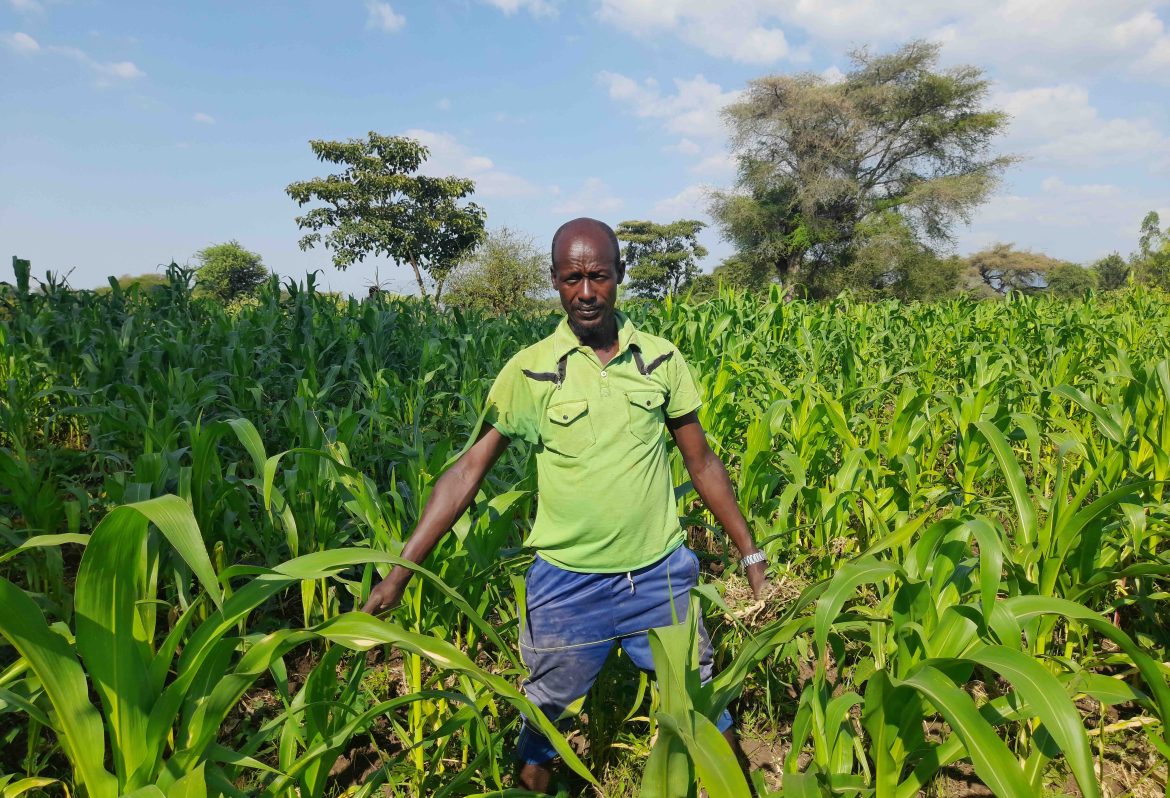
The implications of this funding shortfall extend directly into public finances and institutional capacity. Ministries of finance face mounting pressures to integrate climate risks into macroeconomic forecasting and national debt management frameworks, yet they do so without the predictable multilateral backing promised under successive international climate accords. Furthermore, critical sectors such as water resource management, rural transportation networks, and climate-smart agriculture remain underfunded, compounding the vulnerability of smallholder farming communities that underpin domestic food security and rural employment. Without reliable long-term capital, national institutions struggle to transition from reactive disaster response to proactive economic resilience.
 For African economies, resolving the delivery gap is no longer viewed merely as an environmental obligation, but as a fundamental governance and macroeconomic imperative. According to multilateral financial analysts, bridging the divide requires international donors to reform lending architectures, operationalize loss and damage mechanisms, and reduce transaction barriers that prevent local institutions and regional development banks from accessing funds directly. As international markets introduce stricter environmental and social compliance standards, African policymakers emphasize that domestic growth, market access, and regional trade under frameworks like the African Continental Free Trade Area depend entirely on establishing stable, predictable financing structures that can safeguard public investments and secure the continent’s long-term economic transition.


