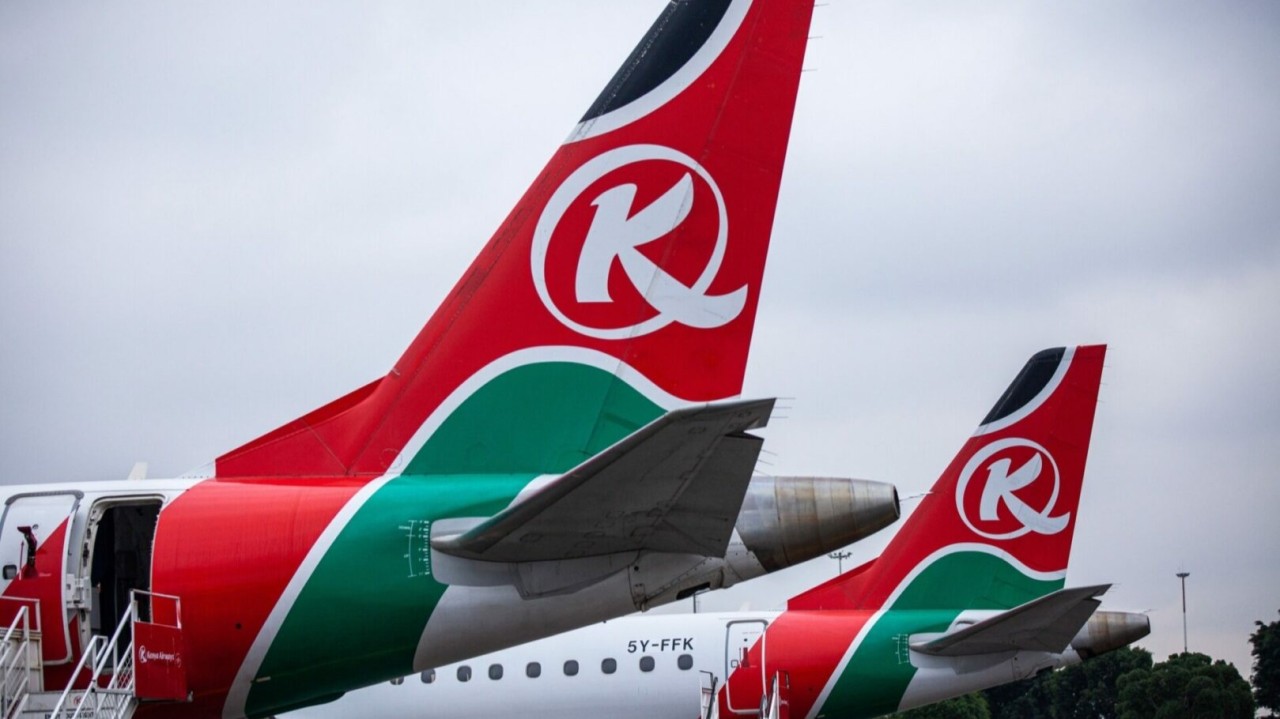

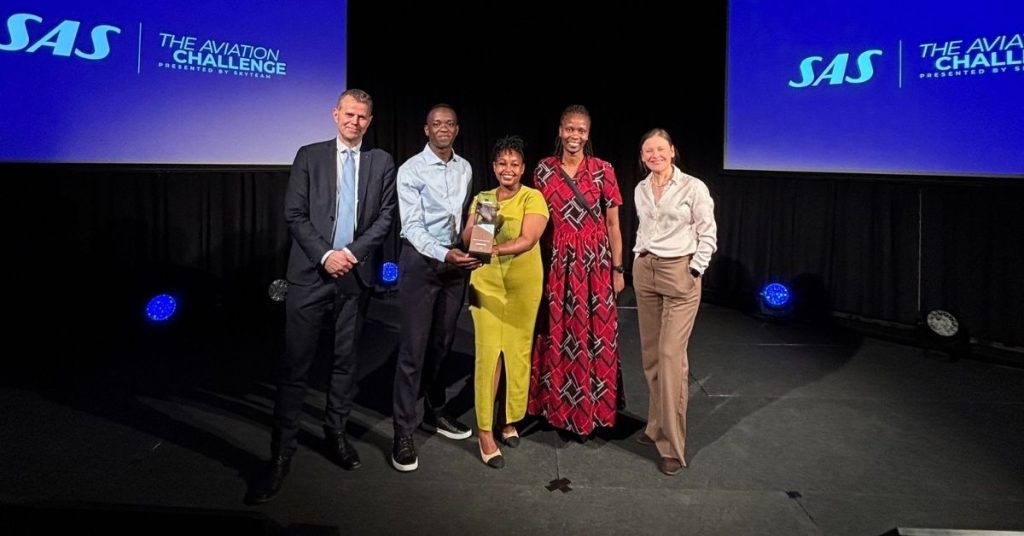
In a high-stakes gathering held this week in Copenhagen, Denmark, Kenya Airways and its regional subsidiary Jambojet secured four major global titles at The Aviation Challenge 2025 awards, signaling a decisive shift in how African carriers are navigating the complex transition to a net-zero future. The ceremony, organized by the SkyTeam Alliance, brought together twenty-four of the world’s most influential airlines to demonstrate that decarbonizing the skies is no longer a theoretical exercise but a series of measurable, operational victories.
For the African continent, these wins represent more than just trophies; they serve as a blueprint for how airlines in developing economies can leapfrog traditional, carbon-heavy practices despite the significant financial and infrastructural hurdles that often stall green initiatives in the Global South.
Kenya Airways clinched the award for the Most Impactful Solution in Catering, a category that addressed one of the most visible waste problems in the industry. By systematically stripping single-use plastics from its cabin service and replacing them with locally sourced, biodegradable materials and aluminum alternatives, the airline proved that the circular economy can function at 35,000 feet. This achievement is grounded in a stark reality for African aviation, where waste management infrastructure on the ground is often fragmented.

Ensuring that materials are either compostable or infinitely recyclable, the carrier is reducing the burden on municipal waste systems in cities like Nairobi and Lagos, where landfills are already pushed to their limits. The numbers back the scale of this intervention: the airline has successfully avoided more than 337 tonnes of single-use plastic annually, a move that is simultaneously saving the company over KES 50 million each year.
The recognition extended beyond corporate policy to individual leadership, with Miriam Wangombe of Kenya Airways being named Game Changer of the Year. Her work focused on the “unseen” side of aviation sustainability, the upcycling of decommissioned textiles and the integration of a farm-to-fork supply chain. This approach directly addresses the economic leakage often seen in African aviation, where catering and supplies are frequently imported. By anchoring the supply chain within local Kenyan agriculture and small-scale manufacturing, the airline is effectively turning environmental policy into a tool for regional economic resilience. This model suggests that sustainability in Africa is inextricably linked to local content and the empowerment of domestic value chains.
Jambojet, operating in the highly competitive low-cost segment, took home the award for the Most Compelling Story for its work in turning plastic waste into community infrastructure. Through a partnership with the Plastiki Rafiki project, the airline demonstrated how an industry often criticized for its carbon footprint can provide tangible social dividends. The project involves collecting over 1,000 kilograms of plastic waste generated through operations and coastal tourism and mechanically recycling it into furniture and educational tools for schools. In a region where only a fraction of plastic waste is recycled, Jambojet’s initiative offers a practical solution to the plastic crisis while providing much-needed resources to underserved communities.
These victories come at a time when the African aviation sector is facing immense pressure to grow while simultaneously meeting the stringent requirements of the Carbon Offsetting and Reduction Scheme for International Aviation. Unlike their European or North American counterparts, African airlines often operate with older, less fuel-efficient fleets and have limited access to the massive subsidies required to scale Sustainable Aviation Fuel production. However, the performance of the Kenyan carriers in Copenhagen suggests that efficiency is not solely dependent on multibillion-dollar engine upgrades. Significant gains are being made through operational discipline, such as weight reduction, smarter flight path planning, and the total overhaul of cabin waste protocols.
Read also: EU commits $4.3M to help African states develop sustainable aviation fuels
The collaborative spirit of the challenge was further highlighted when Kenya Airways received special recognition for its partnership with KLM. This cross-continental data sharing is critical for a continent that contributes less than four percent of global greenhouse gas emissions but remains the most vulnerable to climate-driven disruptions. The partnership has allowed for the transfer of technical knowledge regarding flight deck efficiency and ground handling optimizations that can be applied across different regulatory environments. This exchange of intellectual capital is perhaps the most sustainable outcome of the challenge, as it builds a repository of best practices that other African carriers, from Ethiopian Airlines to RwandAir, can adapt to their specific operating contexts.
As the industry looks toward the 2050 net-zero target, the data coming out of the 2025 Aviation Challenge provides a sobering yet optimistic look at the numbers. On the challenge flights, participating airlines saw an average reduction in CO2 emissions per passenger kilometer, driven by a combination of SAF blending and radical weight-saving measures.
For Africa, the path forward involves balancing this environmental necessity with the continent’s need for greater air connectivity to drive the African Continental Free Trade Area. The success of Kenya Airways and Jambojet in Copenhagen proves that African aviation is not just a participant in the global sustainability conversation but is increasingly the one setting the pace for practical, ground-level innovation.
Engage with us on LinkedIn: Africa Sustainability Matters