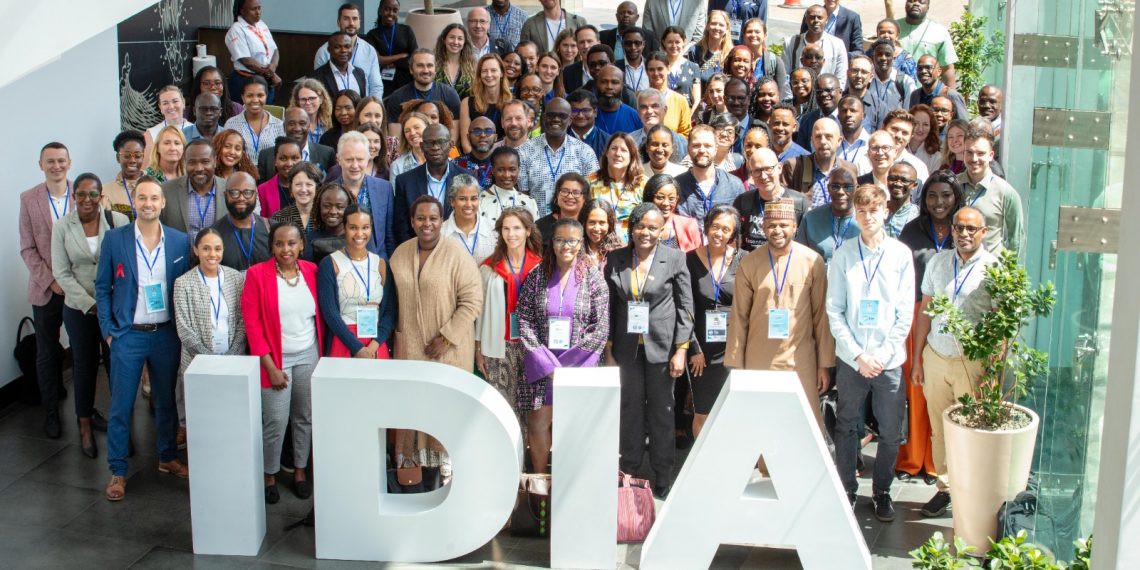

The Million Lives Collective, in partnership with the Judith Neilson Foundation, has launched the African Cities Innovation Fund, a $75,000-grant initiative aimed at empowering African innovators to tackle the continent’s growing urban challenges. Announced during the International Development Innovation Alliance Global Summit in Nairobi, the fund targets collaborative solutions that foster smart, equitable, healthy, and climate-resilient cities, with applications set to open in Spring 2026.
African cities are experiencing unprecedented growth. By 2050, the continent is projected to host nearly 1.5 billion urban residents, a doubling of today’s population. Cities like Accra and Abuja illustrate both the promise and the pressures of this expansion. Accra has embraced master-planned developments such as Appolonia City alongside sustainable projects like the Greening and Beautification Initiative, yet continues to confront waste management bottlenecks, flooding, and uneven service delivery.

Abuja, meanwhile, is experimenting with Urban Lab programs to test collaborative governance approaches, while small-scale innovations, including containerized vertical farming by startups like Fresh Direct, are helping to secure urban food systems in densely populated districts. The ACIF aims to amplify such initiatives by pairing innovators to co-design and scale solutions, with mentorship and technical support alongside financial backing.
The relevance of the Fund is heightened by the structural constraints African cities face. Informal settlements house substantial urban populations, in Lagos, Nairobi, and Kinshasa, more than 60 percent of residents live in unplanned neighborhoods.
Programs like the Participatory Slum Upgrading Initiative demonstrate how resident-led interventions can improve infrastructure, sanitation, and mobility, yet such efforts are often constrained by limited capital and fragmented institutional support. By providing flexible grants and connecting innovators to expertise in scaling, ACIF offers a mechanism to address these constraints, enabling solutions to move beyond pilot phases into measurable impact.
Collaboration sits at the core of the initiative. African urban challenges are complex, spanning energy, mobility, waste, climate resilience, and social equity. The fund’s design encourages cross-disciplinary partnerships: engineers work with social scientists, entrepreneurs align with local authorities, and community groups engage with private actors.
The approach is informed by previous successes in collaboration grants piloted by MLC with support from the Bayer and Gates Foundations, which demonstrated that joint ventures can accelerate progress in areas like women’s economic empowerment and healthcare delivery. ACIF seeks to apply this model to urban systems, emphasizing that local knowledge, trust, and logistical coordination are as important as financial resources.
For African policymakers and investors, the Fund signals a shift toward supporting scalable, evidence-based urban innovation. Cities in Africa collectively consume around 70 percent of the continent’s energy, generate the majority of municipal waste, and contribute significantly to greenhouse gas emissions.
By directing capital toward collaborative solutions with measurable outcomes, ACIF could influence wider sustainability practices, from low-carbon infrastructure and circular production to digital inclusion and community-led climate adaptation. This approach aligns with the growing recognition across Africa that urban innovation is not merely a technological challenge but an integrated strategy for economic, social, and environmental resilience.

The fund also reflects an understanding of African cities as ecosystems where small-scale interventions can generate outsized results. In Accra, a single neighborhood revitalization project reduced local flooding and waste accumulation while creating jobs for over 200 residents.
In Abuja, pilot programs in urban farming have demonstrated that containerized vertical farming can supply tens of thousands of residents with fresh produce, improving food security while reducing urban heat effects. By offering grants of up to $75,000 alongside technical assistance, ACIF provides innovators with the means to replicate and expand such successes across other African cities facing comparable pressures.
Read also: New Kenya youth environmental awards open to support grassroots climate solutions
As urban populations swell and climate impacts intensify, initiatives like ACIF will be instrumental in shaping sustainable city growth. By encouraging partnerships, fostering innovation, and supporting local problem-solving, the fund represents a practical investment in the future of African cities.
Its success will not only be measured in completed projects or grant disbursements but in the degree to which African urban centers can adapt to rapid demographic change while maintaining livable, equitable, and resilient environments for residents.
Applications for the African Cities Innovation Fund are expected to open in Spring 2026, and African innovators working in areas including circular economy, climate adaptation, youth mobility, and community wellbeing are encouraged to register their interest on the MLC website.
Engage with us on LinkedIn: Africa Sustainability Matters
Engage with us on LinkedIn: Africa Sustainability Matters