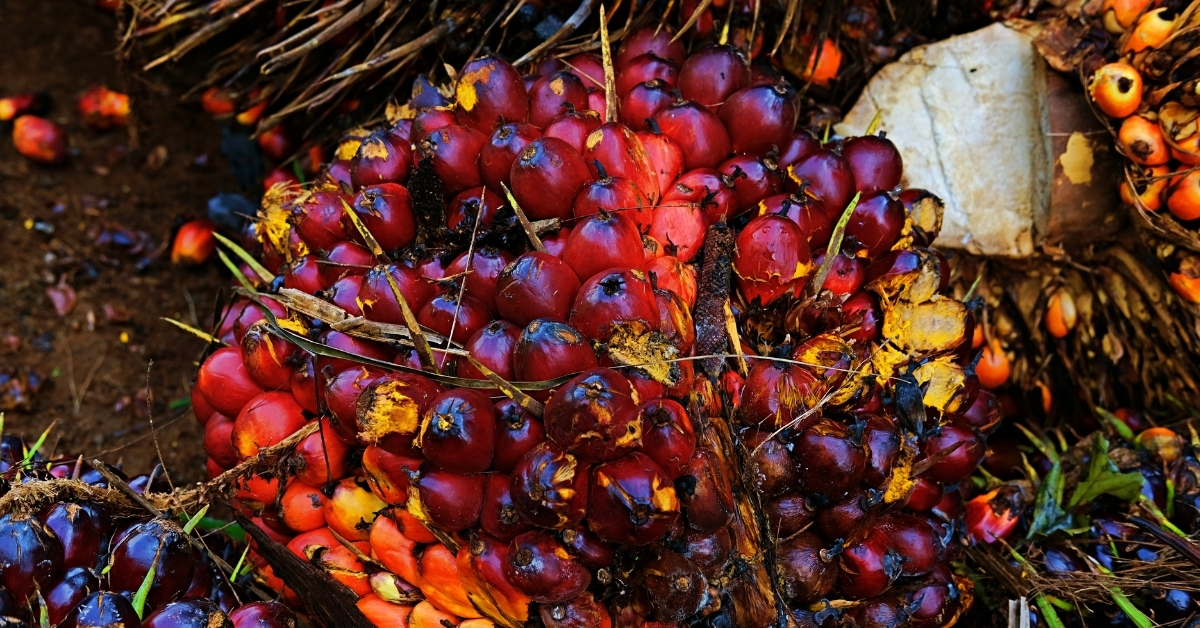

Cameroon has secured an $86 million commercial loan from Standard Chartered Bank to expand agro-industrial processing through the state-owned Cameroon Development Corporation, marking a significant bet on export-driven agriculture at a time of heightened scrutiny over public debt and foreign currency exposure.
The financing, authorized by President Paul Biya in late September and finalized this month, will fund the construction of a rubber factory and a palm oil processing plant on CDC sites, with repayment tied directly to future export revenues.

The loan amounts to 51.7 billion CFA francs and is structured in two euro-denominated tranches, both classified as non-concessional. The larger facility, worth 47.07 billion CFA francs, is complemented by a smaller tranche of 4.67 billion CFA francs. While the government has not disclosed interest rates, maturities or grace periods, official documents confirm that the debt will be serviced through proceeds from international sales of processed rubber and palm oil, rather than the national budget.
CDC remains one of Cameroon’s most strategic agro-industrial companies, with decades of experience in export crops including bananas, rubber and palm oil. Its plantations, largely concentrated in the South-West and Littoral regions, form part of a sector that employs tens of thousands of workers directly and indirectly. Yet for years, much of the company’s output has left the country with minimal processing, limiting revenue potential and exposing producers to volatile global commodity prices.
Read also: Senegal launches $191.7m agro-industrial zone to cut food imports and boost local processing
The decision to invest in domestic processing reflects a broader shift underway across African commodity exporters. By moving further along the value chain, governments aim to capture higher margins, stabilize foreign exchange earnings and reduce vulnerability to price swings. In Cameroon’s case, the emphasis on export-backed financing is also a response to rising caution around sovereign borrowing. Public debt has climbed steadily over the past decade, prompting authorities to favor projects that generate their own repayment streams in hard currency.
Global market conditions add context to the timing of the investment. Natural rubber prices have fluctuated in recent years due to uneven demand from Asia and competition from synthetic alternatives. However, medium-term demand remains supported by the gradual recovery of the automotive sector and growing tire consumption in emerging markets, including within Africa itself. For palm oil, long-term demand continues to rise, driven by food processing and consumer goods industries, though sustainability concerns and price volatility remain persistent risks.

For Cameroon, processing rubber and palm oil locally offers a pathway to increase export earnings while reducing the country’s dependence on raw commodity shipments. According to regional trade data, Central African countries continue to export the bulk of their agricultural output in unprocessed form, forfeiting value that is later captured by processors in Asia and Europe. Expanding agro-industrial capacity is seen as a way to address chronic trade deficits and create more resilient rural economies.
The Standard Chartered financing also underscores the bank’s growing footprint in Cameroon’s infrastructure and industrial landscape. Beyond the CDC project, the British lender holds two additional loan authorizations that remain pending. One, backed by UK Export Finance and valued at 15 billion CFA francs, is earmarked for healthcare infrastructure, including specialized hospitals in Yaoundé and Mfou. The second is a much larger facility of 130.4 billion CFA francs intended to finance the Ebolowa–Akom II–Kribi road, a strategic corridor linking the southern regions to the Kribi deep-sea port.
Read also: Ampersand opens Africa’s first battery swap network to third-party electric motorcycle makers
With the finalization of the CDC loan, Cameroon’s exposure to Standard Chartered increases by an estimated 23 billion CFA francs, consolidating the bank’s role as one of the country’s key bilateral financial partners. For policymakers, the challenge now lies in ensuring that the new factories deliver consistent output, meet international quality standards and generate sufficient export revenue to service the debt without strain.
Engage with us on LinkedIn: Africa Sustainability Matters
Engage with us on LinkedIn: Africa Sustainability Matters