


The Democratic Republic of Congo is facing a renewed Ebola crisis after health authorities reported more than 120 suspected deaths linked to the virus, prompting the World Health Organization to declare the outbreak an international public health emergency amid growing concerns over cross-border transmission, fragile health systems and escalating regional economic risks.
The outbreak, centered in Ituri province in north-eastern DR Congo, has already spread beyond the initial epicenter, with confirmed cases reported in the eastern city of Goma and neighbouring Uganda. According to Congolese health authorities, at least 350 suspected infections have been identified, with most patients aged between 20 and 39 years. Women account for more than 60% of reported cases, reflecting the virus’s disproportionate impact on caregivers, traders and frontline health workers within affected communities.
The current outbreak involves the Bundibugyo strain of Ebola, a less common but highly dangerous variant for which there is currently no approved vaccine or targeted treatment. Previous outbreaks involving the same strain in Uganda in 2007 and DR Congo in 2012 recorded mortality rates ranging between 30% and 50%, according to health experts.
The declaration by the World Health Organization underscores growing fears that the outbreak could accelerate rapidly across East and Central Africa due to extensive population movement, insecurity, and weak public health infrastructure in border regions. Ituri province shares porous frontiers with Uganda and South Sudan and remains heavily connected to regional mining and informal trade networks that facilitate daily cross-border mobility.
Health officials confirmed that one Ebola-related death has already been recorded in Uganda involving a Congolese national who had travelled from DR Congo. The Africa Centres for Disease Control and Prevention has subsequently warned of a heightened regional transmission risk, particularly for countries linked through trade corridors and refugee movements.
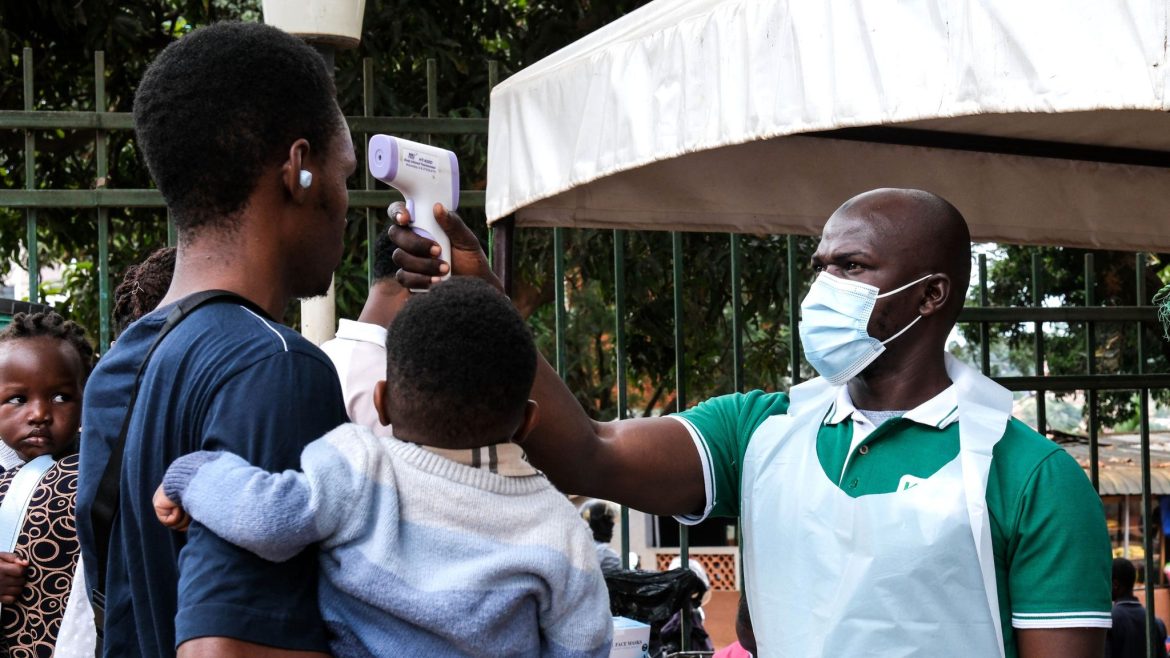
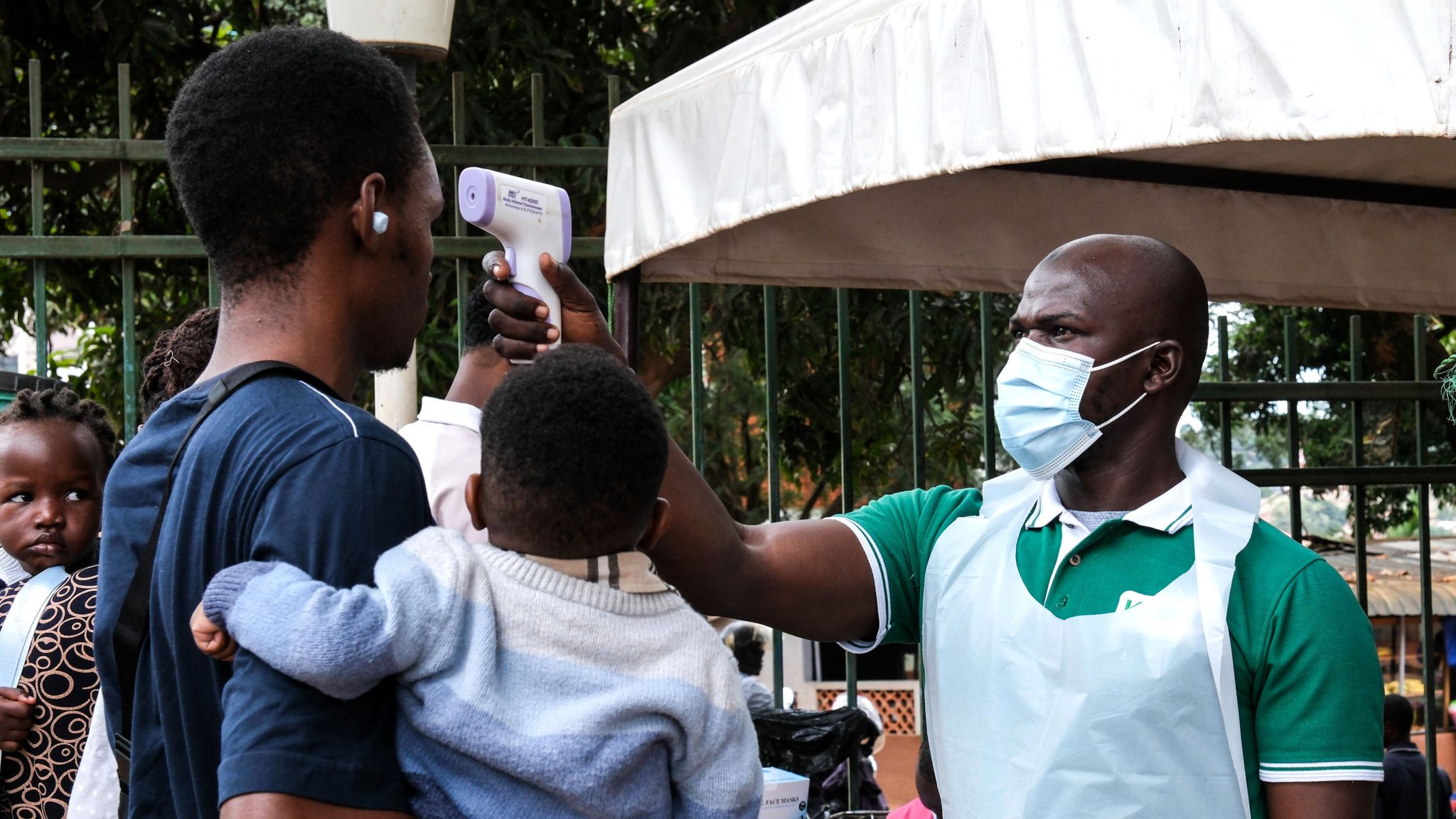
At Kyeshero Hospital in Goma, medical teams have intensified infection prevention protocols as authorities attempt to contain the spread of the virus in one of eastern Congo’s largest urban centres. Hospital staff have introduced mandatory handwashing stations, temperature screening, and isolation procedures for patients displaying symptoms associated with Ebola infection.
However, healthcare workers warn that hospitals remain underprepared for a prolonged outbreak. According to medical officials in Goma, shortages of protective equipment, laboratory materials and infection control supplies are already placing strain on response efforts. The situation reflects broader structural weaknesses affecting healthcare systems across conflict-affected regions of Central Africa, where limited public health financing and recurring insecurity have constrained epidemic preparedness.
The outbreak also exposes economic vulnerabilities associated with infectious disease crises in fragile states. Eastern DR Congo remains central to regional mining supply chains linked to critical minerals including cobalt, tin and gold, commodities that play a growing role in global clean energy and technology industries. Disruptions linked to disease outbreaks can affect labour availability, transport logistics and cross-border trade flows, with implications extending beyond local communities.
For African economies, Ebola outbreaks increasingly represent not only humanitarian emergencies but also governance and fiscal challenges. Public health crises can divert already constrained government resources, disrupt regional commerce and undermine investor confidence in countries seeking to expand infrastructure, energy and industrial development.
The current outbreak is unfolding within a broader context of overlapping pressures including armed conflict, displacement, and climate-related vulnerabilities. Humanitarian agencies warn that insecurity in parts of eastern Congo could complicate contact tracing and community outreach efforts, particularly in remote or contested territories where public trust in institutions remains weak.
Health officials said misconceptions surrounding the disease initially delayed intervention efforts in some affected communities. According to the Congolese Health Ministry, some residents believed the illness was linked to witchcraft or supernatural causes, leading infected individuals to seek assistance from prayer centres rather than healthcare facilities. Public health specialists note that delayed reporting and distrust of medical authorities have historically complicated Ebola containment efforts across the region.
The outbreak also highlights the growing importance of disease surveillance systems and regional health coordination across Africa. Since the West African Ebola epidemic of 2014–2016, African governments and multilateral institutions have expanded epidemic monitoring capabilities and emergency response mechanisms. However, persistent financing gaps continue to limit preparedness, particularly in lower-income and conflict-affected states.
According to regional health experts, rapid case detection, isolation measures and community engagement remain the primary tools available to slow transmission in the absence of a vaccine for the Bundibugyo strain. Cross-border information sharing and coordinated screening systems are also expected to play a critical role as authorities attempt to contain the outbreak before it spreads further into densely populated urban centres.
The situation is closely monitored by international health agencies and development institutions because of its implications for regional stability and economic resilience. Epidemics in strategically connected regions such as Eastern Congo can quickly evolve into broader continental concerns, particularly where transport corridors, refugee flows and commodity supply chains intersect.

For DR Congo, the outbreak arrives at a time when the government is simultaneously managing security instability, humanitarian pressures and efforts to attract investment into strategic mineral sectors essential to the global energy transition. Analysts note that prolonged public health emergencies risk intensifying fiscal strain and slowing broader development priorities.
As containment efforts continue, the outbreak serves as another reminder that public health resilience remains closely tied to economic stability, institutional capacity and regional cooperation across Africa. In countries where healthcare systems remain underfunded and population mobility is high, infectious disease preparedness is increasingly viewed not solely as a health issue, but as a core component of long-term development and security planning.


