


Egypt faces a $291.9 million shortfall in biodiversity financing between 2024 and 2030, prompting the government to pursue a national plan to mobilise revenue from protected areas, carbon markets, biodiversity offsets and private investment to protect ecosystems supporting tourism, fisheries and food security. The financing strategy, developed under the United Nations Development Programme’s Biodiversity Finance Initiative (BIOFIN), comes as the country prepares for COP31 climate negotiations in Antalya, Türkiye, where climate finance and implementation capacity are expected to remain central to discussions.
Egypt’s Biodiversity Finance Plan 2024–2030 identifies nine financing solutions intended to reduce dependence on conventional public funding and expand investment in conservation. The plan, published in December 2025, is aligned with Egypt Vision 2030, the country’s national biodiversity strategy and the Global Biodiversity Framework.

According to BIOFIN, the funding gap was identified through assessments of biodiversity-related policies and institutions, government expenditure and financing requirements. The estimated shortfall represents the additional resources required to support conservation priorities over the plan period. Spread evenly across the seven years, it would amount to approximately $42 million annually, although this is a calculation based on the published total rather than an official annual financing target.
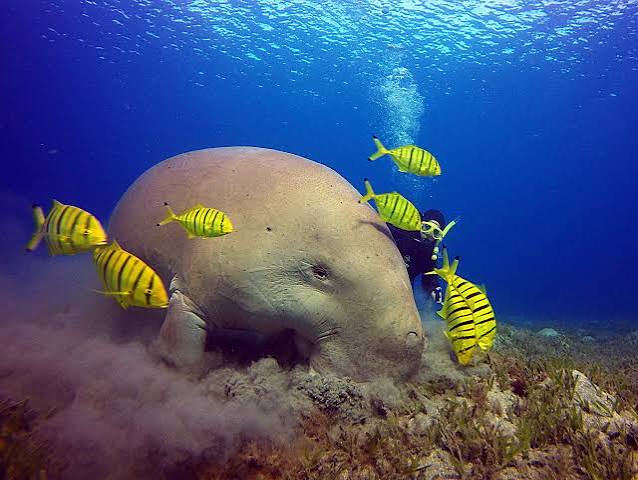
The funding challenge reflects the economic importance of Egypt’s natural assets. The country’s biodiversity extends across the Nile River and Delta, Mediterranean wetlands, desert ecosystems, mountains, oases, mangroves and Red Sea coral reefs. These systems support agricultural production, fisheries, tourism and water resources, while providing livelihoods for communities dependent on natural resources.
However, habitat degradation, pollution, overfishing, coastal development, invasive species and climate change are placing pressure on ecosystems. According to BIOFIN, marine, coastal, wetland and desert environments are particularly exposed, raising concerns about the long-term sustainability of economic activities that depend on their ecological condition.
Read also: https://www.biofin.org/egypt/
The financing plan seeks to address these pressures through a combination of domestic revenue generation, improved public expenditure and access to external capital. Its proposed measures include strengthening protected area revenues, introducing performance-based budgeting, mobilising corporate social responsibility funding, developing biodiversity-positive carbon credits, expanding insurance mechanisms, using biodiversity offsets and increasing public private partnerships.
The most immediate financing opportunity lies in Egypt’s protected areas, where tourism provides an existing source of revenue. BIOFIN reports that the country has 31 protected areas covering marine, terrestrial and wetland ecosystems, attracting approximately three million visitors annually.
The plan proposes adjusting entrance fees, digitising revenue collection and improving the retention of funds for protected area management. It also seeks to revise concession and permit fees and establish more systematic procedures for selecting and contracting investors.
The proposed revenue reforms raise questions about how conservation funding is distributed and whether income generated at individual sites can be retained to cover management costs. Protected areas require financing for monitoring, patrols, maintenance and visitor infrastructure, while communities and businesses operating around them depend on access to natural resources and tourism markets.
The Red Sea coast illustrates the economic stakes. Coral reefs support diving, snorkelling and coastal tourism, while contributing to marine ecosystems and fisheries. Damage to these environments can affect tourism operators, local employment and businesses dependent on visitors, alongside the ecological consequences of reef degradation.
Egypt’s government launched the Egyptian Red Sea Initiative in June to strengthen coral reef conservation, protected-area management and monitoring. The programme includes the installation of mooring buoys to reduce damage caused by vessels anchoring on sensitive reefs, as well as plans for an Egyptian Fund for Coral Reefs and community-based ecotourism.
According to Cairo Scene, the initiative received an initial $15 million pledge from the United States Agency for International Development and is being implemented with UNDP and the Global Fund for Coral Reefs. The Scuba News reported that the programme also includes a coral reef business incubator intended to support local entrepreneurs and create employment opportunities.
The proposed conservation fund could provide an additional financing channel for reef protection, but its economic contribution will depend on how investment is structured and distributed. For coastal communities, the benefits will be determined partly by whether local businesses, workers and tourism operators can participate in activities supported by the fund.
The broader biodiversity finance plan also seeks to mobilise private capital through carbon credits and biodiversity offsets. These mechanisms could create additional revenue for conservation, but their effectiveness depends on credible measurement, transparent accounting and sustained demand from buyers.
Carbon credits linked to biodiversity-positive activities would need to demonstrate that projects deliver measurable environmental benefits. Biodiversity offsets, meanwhile, raise questions about how ecological losses are assessed, whether restoration can compensate for damage elsewhere and how the interests of affected communities are protected.
Public private partnerships and concessions also require clear contracting arrangements and oversight. Without transparent procedures, the expansion of private investment in protected areas could create risks around access, revenue allocation and the management of public environmental assets.
For Egypt, the financing plan is part of a wider effort to connect environmental protection with economic development. Tourism, fisheries and agriculture depend on ecosystems that also face competing demands from urban expansion, infrastructure development and resource use. Conservation funding therefore has implications for public finances and the long-term resilience of economic sectors exposed to environmental degradation.
The country’s diplomatic engagement is taking place alongside these domestic financing efforts. At the United Nations Biodiversity Conference, COP17, in Yerevan, Egypt’s delegation held discussions on protected area management and financing for environmental projects, according to SEE News.
Ahead of COP31, Environment Minister Manal Awad reviewed Egypt’s negotiating positions on adaptation, emissions reduction, a just transition and climate finance, Egypt Today reported. The conference, scheduled for November 9–20 in Antalya, includes discussions on implementation and financing, issues that overlap with Egypt’s effort to turn conservation priorities into funded programmes.
The financing challenge extends beyond Egypt. African countries face significant gaps between biodiversity commitments and the resources available to implement them, while many depend on public budgets, development assistance and natural resource revenues to support conservation.
At the global level, the biodiversity finance gap has become a central concern. The United Nations Biodiversity Conference in Yerevan concluded with more than 50 decisions and nearly $2 billion in new conservation pledges, according to Reuters, alongside efforts to address the estimated $200 billion annual biodiversity financing gap by 2030. The outcome highlighted the continuing difficulty of translating international commitments into sustained investment and implementation.
Egypt’s approach offers a test of whether domestic revenue reforms and private financing can reduce dependence on annual public allocations. Protected area fees provide an existing revenue base, while carbon credits, offsets and partnerships could broaden the sources of funding available for conservation.
The risks lie in implementation. Higher entrance fees could affect domestic visitors and smaller tourism operators, while market-based instruments depend on credible standards and investor confidence. Concessions and partnerships will also require oversight to ensure that conservation objectives, public access and community interests are not undermined by commercial arrangements.
The $291.9 million shortfall remains a measure of the resources Egypt needs beyond its existing financing arrangements. Whether the new plan can mobilise those funds will depend on the performance of its revenue reforms, the availability of private capital and the ability of institutions to direct financing towards measurable conservation outcomes.

For Egypt and other African economies, the central issue is not only how much funding can be raised, but whether financing mechanisms can sustain the ecosystems that support jobs, food production, tourism and local livelihoods. Progress on protected area revenue retention, the coral reef fund and biodiversity financing instruments will provide an indication of whether the country’s conservation ambitions can be matched by durable financial capacity.


