
Kenya is repositioning its tourism sector by turning to adventure sports as a way to broaden its appeal beyond traditional wildlife safaris and beach holidays, a shift aimed at attracting new travellers while easing pressure on the country’s most visited destinations. Tourism authorities say activities such as trail running, mountain biking, kite surfing and skydiving are gaining traction among both domestic and international visitors, reflecting a wider change in how people choose where and how to travel.
The strategy is being driven by Kenya’s national tourism marketing agency, which argues that the country’s diverse landscapes and stable climate give it a competitive advantage in outdoor and endurance sports. From high-altitude forests and escarpments in the Rift Valley to steady coastal winds along the Indian Ocean, officials believe Kenya can host year-round adventure events that require relatively limited infrastructure but deliver wide economic spillovers.

The shift was highlighted this month during the launch of a cultural and sports festival in Nandi County, where organisers are preparing to host thousands of runners and spectators for a three-day mountain race through the Tinderet highlands in Kenya. The event is expected to draw more than 3,000 athletes and over 10,000 spectators, combining competitive sport with cultural performances and local exhibitions that showcase the region’s heritage.
For tourism planners, such events serve a dual purpose. They introduce travellers to areas that rarely feature in mainstream itineraries, while creating opportunities for local businesses ranging from accommodation and transport to food vendors and guides. By anchoring tourism activity around community-hosted events, authorities hope to spread economic benefits more evenly across the country.
Tourism remains one of Kenya’s largest sources of foreign exchange, alongside diaspora remittances, horticulture and tea exports. The sector has long been characterised by geographic concentration, with a heavy focus on a handful of national parks and coastal resorts. This concentration has raised concerns about environmental strain, seasonal overcrowding and vulnerability to shocks such as climate extremes or security disruptions.
Read also: How weak farm-level data is undermining global climate targets in Africa, new data shows
Adventure tourism is being positioned as a way to address these risks. Nature-based sports tend to attract travellers who stay longer, travel outside peak seasons and spend across multiple locations. They also align with a global shift toward experiential travel, where visitors seek active participation rather than passive sightseeing.
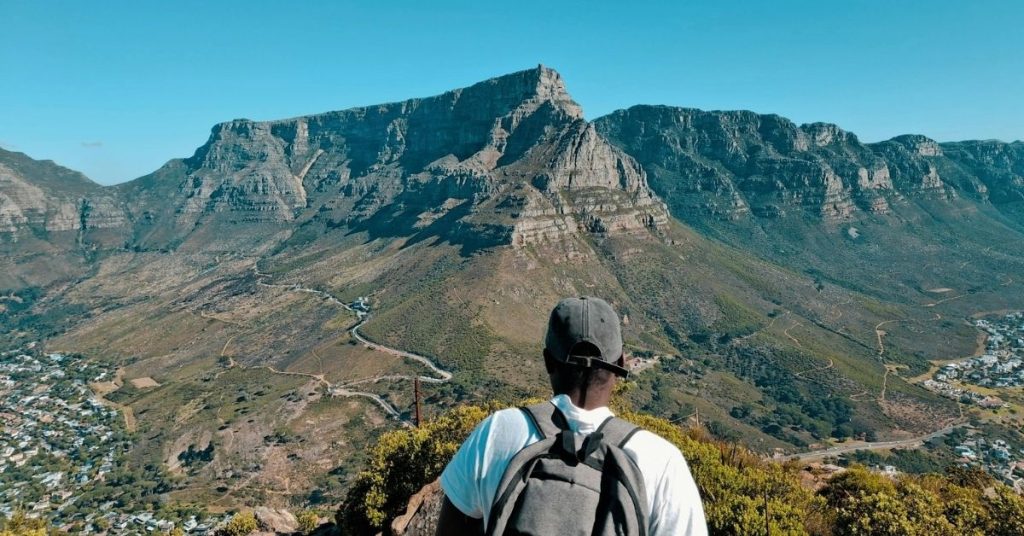
The Rift Valley has emerged as a central testing ground for this approach. Its terrain, which has produced some of the world’s most accomplished distance runners, offers natural routes for trail races and endurance training. Similar opportunities exist in other regions, from mountain biking circuits in central Kenya to water sports along the coast, where kite surfing has grown steadily in popularity.
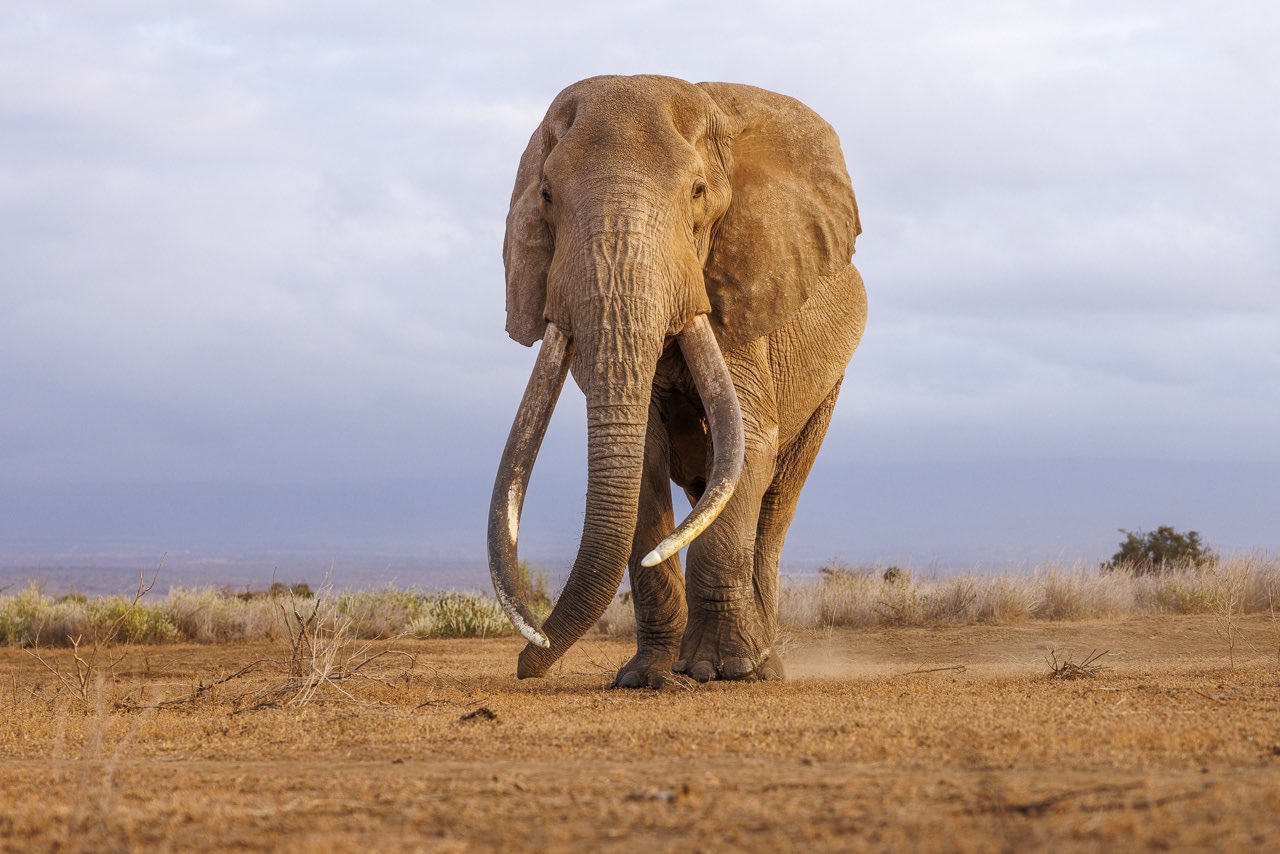
Officials say the long-term goal is not to replace Kenya’s iconic wildlife tourism, but to complement it with products that diversify revenue streams and build resilience. By encouraging movement beyond traditional hotspots, the strategy also aims to reduce pressure on protected areas while maintaining tourism’s contribution to conservation funding.
Sustainability is expected to play a key role as the model expands. Adventure events are being promoted as low-impact alternatives that rely more on existing landscapes than on large-scale construction. Authorities say partnerships with county governments and local organisers will be essential to ensure that growth does not come at the expense of ecosystems or community access to land. As traveller preferences evolve and competition for tourism dollars intensifies, Kenya’s pivot toward adventure sports reflects a broader effort to adapt its tourism economy to new realities.
Engage with us on LinkedIn: Africa Sustainability Matters