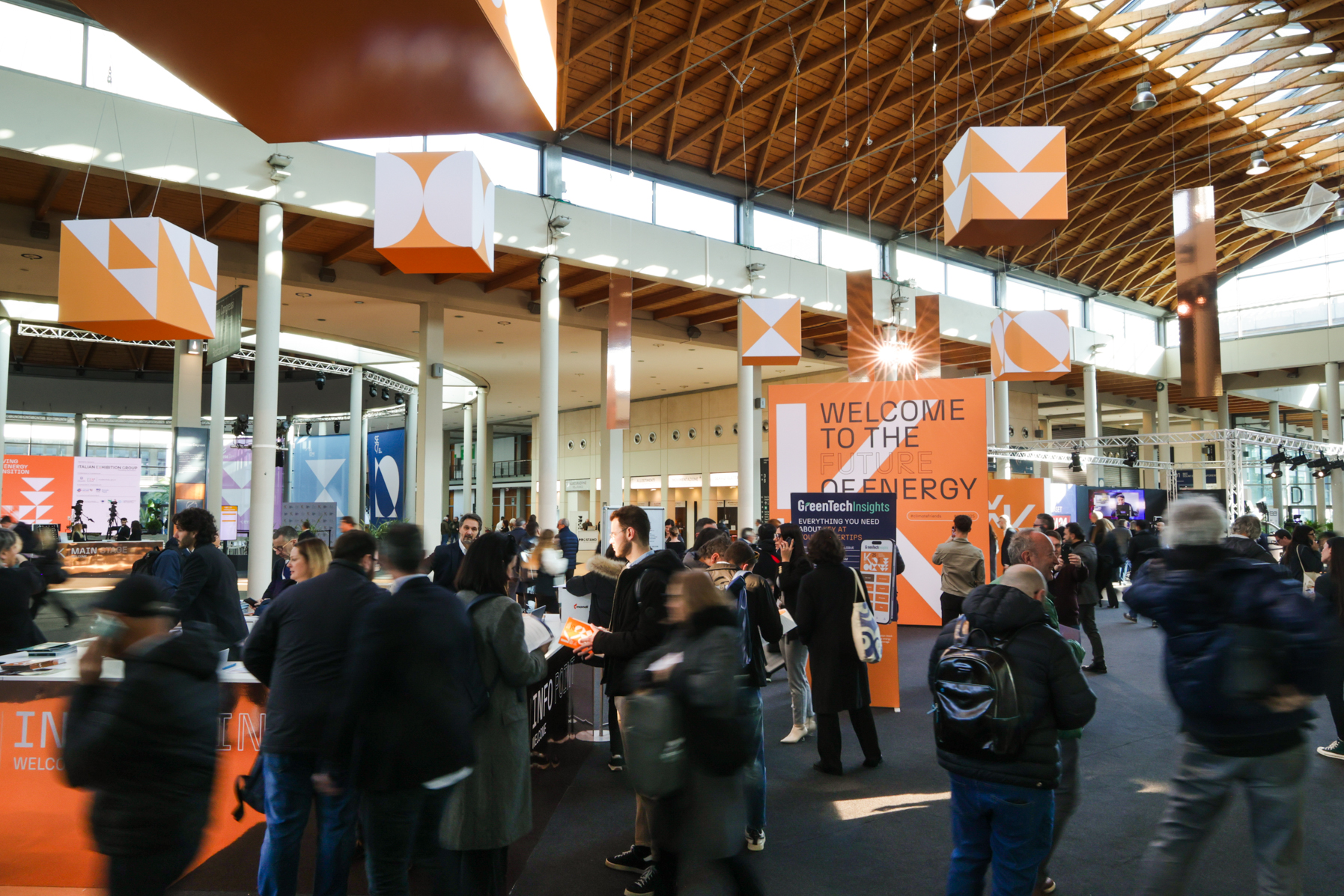

The rapid evolution of global energy systems is increasingly being defined by the convergence of industrial scaling and niche technological innovation, a dynamic that will take center stage at the Italian Exhibition Group’s Rimini Expo Centre from March 4th to 6th, 2026.
According to the organizers of KEY – The Energy Transition Expo, the upcoming event’s Innovation District will host 32 selected start-ups and small-to-medium enterprises (SMEs) focused on bridging the gap between theoretical research and industrial practice.
For African economies currently navigating the dual pressures of chronic energy deficits and the global shift toward decarbonization, such platforms represent more than just commercial trade shows; they serve as critical benchmarks for the decentralized technologies that could leapfrog traditional, failing grid infrastructures across the continent.
Read also: KEY 2026 puts Africa at the heart of global clean energy conversations
The focal point of this year’s exhibition is the Innovation District in Hall D4, which has been structured to function as an “open innovation route”. This framework is designed to connect early-stage ventures with institutional investors and established industrial players, focusing on seven core sectors: solar, wind, hydrogen, energy efficiency, storage, e-mobility, and sustainable urban planning.
The selection of these 32 firms from a pool of 67 applicants; facilitated by the Italian Trade Agency and global platforms like Plug and Play Tech Center; indicates a tightening of standards for what constitutes “market-ready” green technology. This rigorous vetting process is significant for African sovereign wealth funds and private equity firms looking to de-risk investments in renewable energy by identifying technologies that have already moved past the high-risk proof-of-concept stage.
Technological applications on display are expected to emphasize the role of Artificial Intelligence (AI) in real-time energy management and resource optimization. According to the event’s technical preview, innovations include gravitational energy storage systems and advanced monitoring tools that integrate satellite imagery with terrestrial sensors to improve the performance of existing solar and wind assets.
For African utilities and independent power producers (IPPs), these specific advancements address a primary fiscal and operational headache: the inefficiency and physical degradation of infrastructure in remote or harsh environments. Self-cleaning treatments for photovoltaic panels and AI-driven anomaly detection could significantly reduce the high operations and maintenance (O&M) costs that currently deter investment in large-scale rural electrification projects across sub-Saharan Africa.
Read also: Ecomondo 2025 highlights Africa’s role in global circular economy drive
Furthermore, the expo’s emphasis on “Green Jobs & Skills” addresses a critical structural bottleneck in the global south. While the energy transition is a primary driver of global employment growth, the supply of qualified technical labor has failed to keep pace with market demand. The inclusion of a dedicated digital space for talent acquisition and a three-day hackathon for technical students highlights a growing recognition that the transition is as much a human capital challenge as it is a financial one.
In the African context, where youth unemployment remains a volatile socio-economic pressure point, the ability to localize the manufacturing and maintenance of these green technologies, rather than merely importing them as “turnkey” solutions, is essential for ensuring that the energy transition supports domestic industrialization.
The recognition of excellence through the Lorenzo Cagnoni Innovation Award on March 4th will further signal which specific technologies in hydrogen and e-mobility are gaining traction. However, as the Italian Exhibition Group notes in its forward-looking statements, the actual impact of these innovations remains subject to macroeconomic volatility, raw material price fluctuations, and evolving legislative frameworks.
For African policymakers, the takeaway from Rimini is clear: the energy transition is moving toward a more granular, tech-heavy phase. Success in this new landscape will likely depend on the ability of African markets to integrate these advanced storage and management solutions into their national energy masterplans, turning global innovation into local fiscal stability.
Engage with us on LinkedIn: Africa Sustainability Matters