


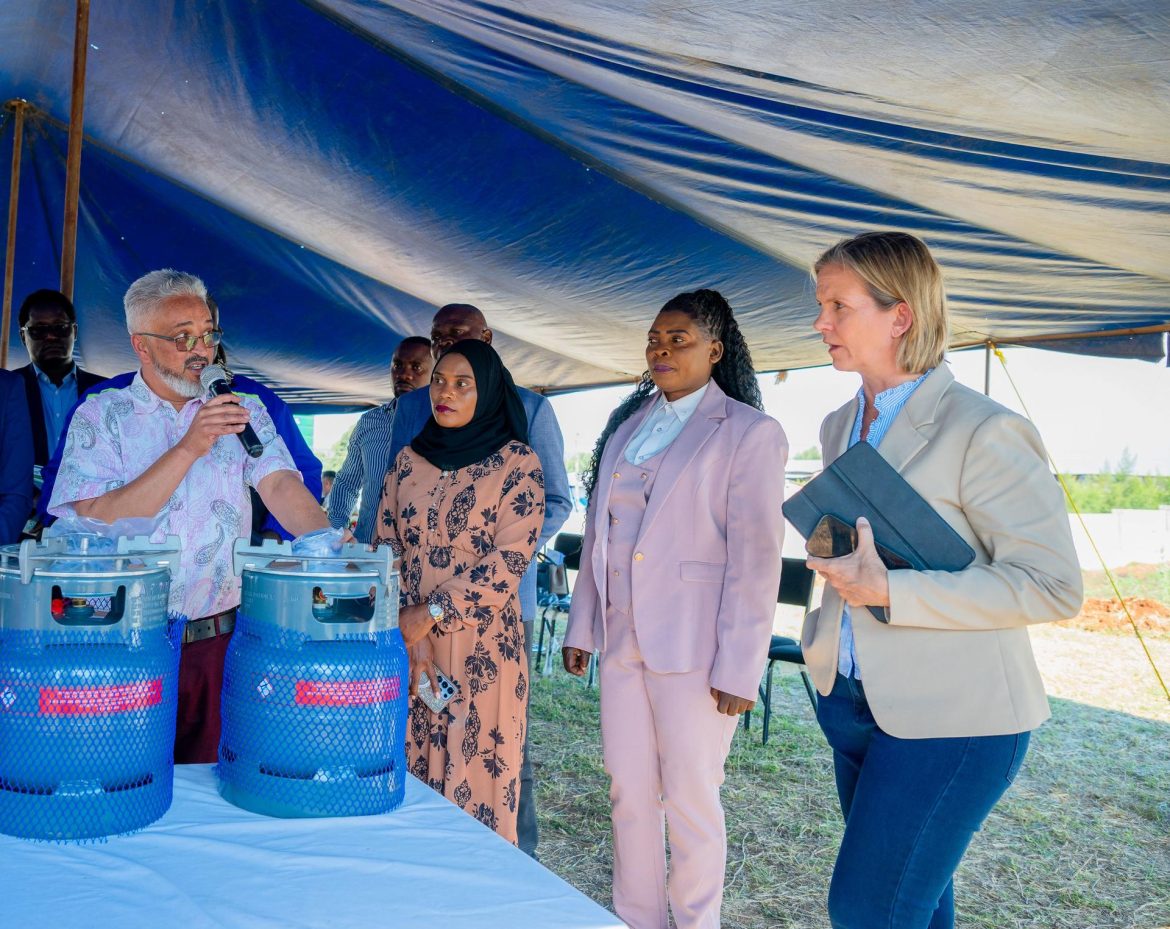
Malawi is intensifying efforts to accelerate the transition from traditional biomass fuels to cleaner cooking technologies through a package of policy reforms that could lower consumer costs, stimulate private investment and strengthen the country’s climate resilience. A high-level government and development partner mission to clean cooking enterprises in Blantyre and Chikwawa has reinforced growing momentum behind proposals to introduce tax waivers and other fiscal incentives aimed at making sustainable cooking solutions more affordable for households.
The two-day mission, organised by Malawi’s Ministry of Energy in collaboration with the United Nations Development Programme (UNDP), the Embassy of Ireland and the Green Economic Transition Facility (GETF), brought together senior representatives from the Ministry of Finance, the Malawi Revenue Authority, the Malawi Energy Regulatory Authority (MERA), the Ministry of Natural Resources and Climate Change, and parliamentary committees responsible for energy, finance and natural resources. The delegation visited several private-sector enterprises developing alternative cooking fuels and technologies, providing policymakers with first-hand insight into how fiscal reforms could accelerate market growth while supporting Malawi’s broader environmental and economic objectives.
The initiative comes as Malawi seeks practical solutions to one of its most pressing environmental and public health challenges. According to government and international development data, the overwhelming majority of Malawian households continue to depend on charcoal and firewood for cooking. This dependence contributes to accelerating deforestation, biodiversity loss, land degradation and indoor air pollution, while increasing greenhouse gas emissions and exposing millions of households particularly women and children to harmful smoke. For policymakers, expanding access to cleaner cooking technologies has become increasingly important not only from an environmental perspective but also as part of the country’s wider energy transition and green industrialisation agenda.
The delegation visited three enterprises representing different clean cooking business models. These included Presscane Limited’s bioethanol production facility in Chikwawa, Gasman Limited’s liquefied petroleum gas (LPG) storage infrastructure in Blantyre, and B&P Investments Limited’s Blue Flame Project, which distributes ethanol fuel and improved cookstoves to low-income households. Together, the businesses demonstrate how private investment, supported by enabling public policy, can create commercially viable alternatives to traditional biomass fuels while expanding access to cleaner household energy.
According to UNDP Resident Representative Fenella Frost, the businesses visited during the mission illustrate that clean cooking technologies have moved beyond pilot projects and are increasingly becoming scalable commercial enterprises capable of delivering economic, environmental and social benefits simultaneously. She noted that the enterprises are creating employment opportunities, reducing pressure on forests and providing safer cooking options for households while demonstrating the potential for private-sector innovation to support national climate objectives.The Government of Ireland, one of the programme’s principal development partners, views clean cooking as an important component of Malawi’s broader green economic transformation.
Irish Ambassador to Malawi Kate Brady said continued support through the Green Economic Transition Facility reflects Ireland’s long-term commitment to climate action and sustainable development, while highlighting the importance of collaboration between governments, businesses and development institutions in accelerating cleaner energy access. One of the central policy discussions emerging from the mission concerns fiscal incentives designed to reduce the cost of adopting clean cooking technologies. Government officials are considering tax waivers and reduced import duties on clean cooking equipment and fuels, recognising that upfront costs remain one of the largest barriers preventing widespread household adoption.
Previous fiscal measures already provide evidence of the potential impact. Representatives from Gasman Limited noted that earlier government decisions to remove value-added tax on LPG cylinders contributed to higher consumer uptake, demonstrating how tax policy can directly influence energy transition outcomes.The company is now expanding its LPG storage infrastructure with support from the Green Economic Transition Facility to improve fuel availability and strengthen domestic distribution networks. Meanwhile, Presscane Limited showcased its growing investment in locally produced bioethanol, which offers a renewable alternative to charcoal while supporting domestic manufacturing and agricultural value chains.
The delegation also reviewed environmental improvements implemented by the company following earlier concerns regarding industrial wastewater management. Minister of Natural Resources Patricia Wiskes commended Presscane for introducing a Zero Liquid Discharge system to improve environmental performance while encouraging continued engagement with surrounding communities.Beyond industrial production, Presscane is expanding partnerships with women’s groups and youth cooperatives to establish decentralised bioethanol refill centres, creating local employment opportunities while improving fuel accessibility in underserved communities.
The Blue Flame Project operated by B&P Investments Limited offers another example of integrated clean cooking deployment. The initiative combines affordable ethanol distribution with efficient cookstoves, enabling households to transition away from charcoal while reducing household fuel costs, improving indoor air quality and lowering pressure on natural forests. Officials were informed that tens of thousands of household members have already benefited from the programme, illustrating growing consumer acceptance where affordable alternatives are available.
According to development experts, Malawi’s clean cooking transition carries implications that extend well beyond the household energy sector. Reduced dependence on biomass could significantly slow deforestation, improve watershed protection and strengthen biodiversity conservation, while lowering healthcare costs associated with respiratory illnesses caused by indoor air pollution. Expanding cleaner cooking technologies could also stimulate domestic manufacturing, create new small business opportunities and strengthen agricultural value chains linked to bioethanol production.
These economic linkages reinforce the growing recognition across Africa that climate action increasingly represents an industrial and development opportunity rather than solely an environmental obligation. The Green Economic Transition Facility has emerged as a key mechanism supporting that objective. Jointly financed by UNDP and the Government of Ireland, the facility provides financial and technical support to enterprises operating across multiple green sectors, including clean cooking, renewable energy and sustainable industrial development.
By reducing investment risks and supporting innovative business models, the facility aims to mobilise greater private-sector participation while contributing to Malawi’s climate commitments and inclusive economic growth objectives. The mission also reflects broader continental trends as African governments increasingly explore fiscal policy as a tool for accelerating energy transitions.
Countries including Kenya, Rwanda and Ghana have introduced various tax incentives and regulatory reforms to encourage investment in renewable energy technologies and clean household fuels. For Malawi, similar measures could strengthen domestic clean energy markets while reducing long-term dependence on imported fuels and environmentally damaging biomass resources.
As policymakers evaluate evidence gathered during the field mission, the proposed tax reforms are expected to inform future national policy discussions aimed at making clean cooking technologies more affordable and accessible. If successfully implemented, the reforms could accelerate private investment, expand consumer adoption and strengthen Malawi’s progress towards achieving its climate, energy access and sustainable development objectives while demonstrating how targeted fiscal policy can support both environmental protection and inclusive economic transformation across Africa.


