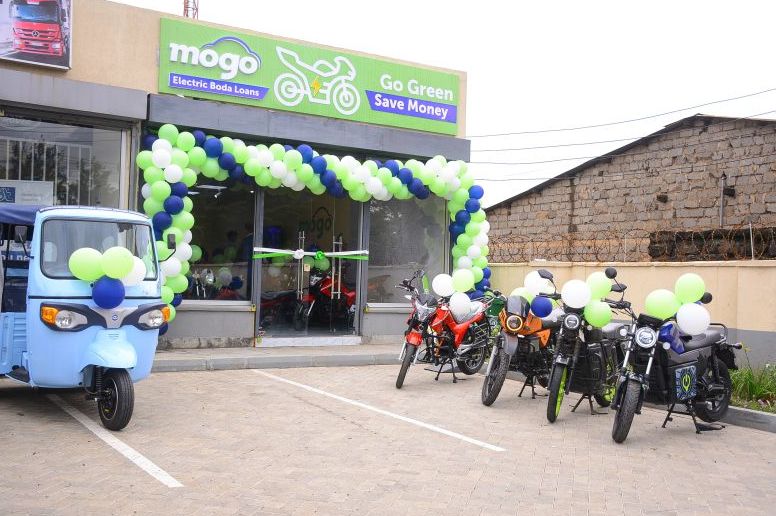

Mogo Kenya has secured Sh800 million in local currency debt from I&M Bank and Ecobank, the asset financier said on Thursday, as it moves to expand lending to small and micro enterprises in Kenya’s informal transport and gig economy. The Nairobi-based lender will deploy the facilities to scale motorcycle and vehicle financing, as well as smartphone loans, targeting entrepreneurs who depend on income-generating assets to operate.
The bank funding comes alongside the launch of a two-year Sh1.5 billion bond programme arranged by Dry Associates Investment Bank. The notes are backed by underlying loan collateral and supported by Mogo’s European parent, Eleving Group, providing credit enhancement aimed at attracting institutional and private investors.
The expansion focuses on Kenya’s boda boda sector, a cornerstone of the country’s informal economy. According to a report by Viffa Consult, the motorcycle taxi industry generates about Sh660 billion annually, equivalent to roughly 4.4 percent of gross domestic product, and supports more than 2.5 million livelihoods.
Beyond passenger transport, riders play a central role in agricultural supply chains, last-mile e-commerce deliveries and access to healthcare, particularly in peri-urban and rural areas.
Demand is shifting from rental models towards ownership, reflecting efforts by riders to stabilise earnings and build assets. Mogo’s management said additional capital would allow it to finance more motorcycles and related equipment, enabling operators to transition into asset ownership and potentially improve income margins.
Read also: Afreximbank expands Caribbean operations with US$100 million infrastructure facility in The Bahamas
For Kenya’s financial system, the transaction underscores a broader recalibration towards local-currency funding. Following the latest deal, Mogo’s liabilities are 60 percent locally sourced and 40 percent international, with more than 80 percent denominated in Kenyan shillings. That shift reduces foreign exchange exposure at a time when currency volatility has strained borrowers and lenders alike.
According to market participants, the bond programme offers investors exposure to asset-backed SME lending in local currency, aligning returns with domestic cash flows and limiting mismatch risks. Kenya’s domestic bond market has faced tight liquidity and elevated sovereign borrowing needs, making structured private-sector issuances a test of investor appetite beyond government paper.
For African economies where micro and small enterprises account for the majority of employment, access to appropriately structured credit remains a persistent constraint. Asset-backed lending tied to productive tools such as motorcycles and smartphones reflects a financing model anchored in cash-generating capacity rather than formal collateral.
Engage with us on LinkedIn: Africa Sustainability Matters