


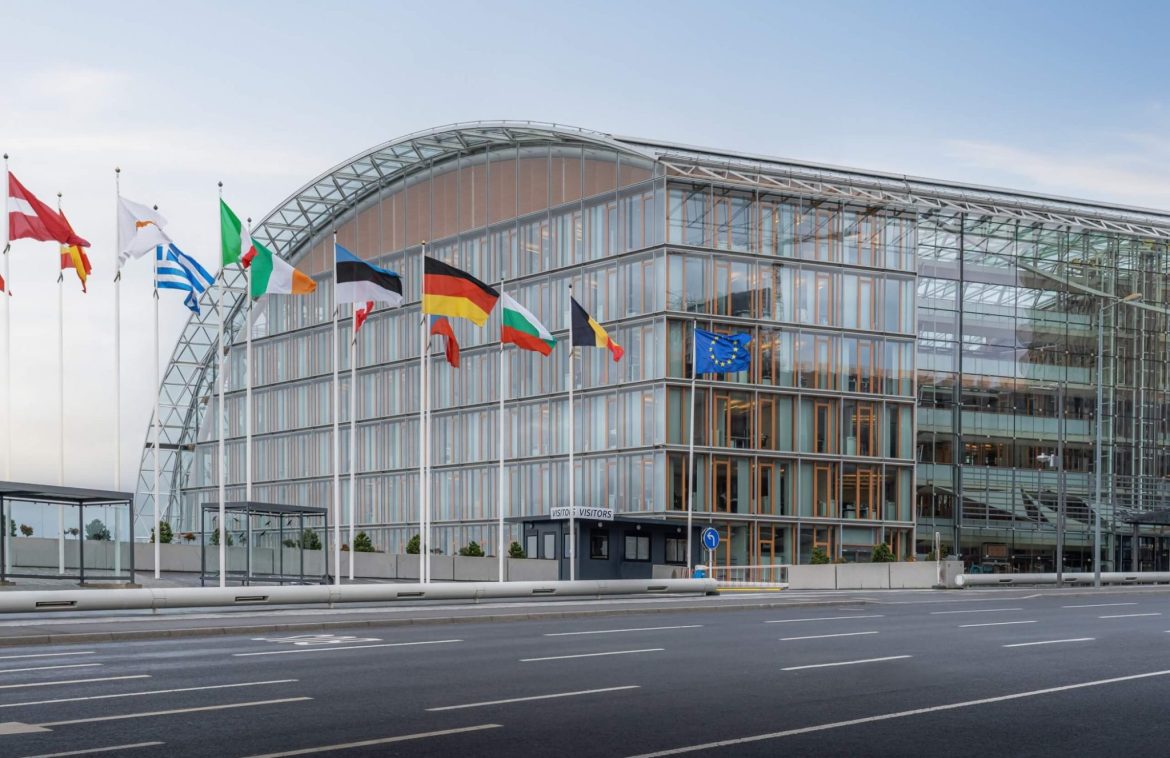
Multilateral development banks (MDBs) committed a record US$163 billion in climate finance during 2025, marking the highest annual investment ever mobilised by the world’s leading development finance institutions for climate action. According to the 2025 Joint Multilateral Development Banks Climate Finance Report, the funding represents a 19% increase over 2024, reflecting an accelerating global commitment to financing clean energy, climate adaptation and sustainable infrastructure. Low- and middle-income economies received US$103 billion, accounting for the largest share of the financing as development banks intensified support for countries confronting rising climate risks while pursuing economic growth. For Africa, where infrastructure financing needs remain substantial and climate vulnerability continues to rise, the record investment highlights the increasingly important role of multilateral lenders in supporting the continent’s energy transition, industrial development and climate resilience.
The report, coordinated by the European Investment Bank (EIB) with support from the European Bank for Reconstruction and Development (EBRD), brings together climate finance data from ten of the world’s largest multilateral development banks, including the World Bank Group, African Development Bank (AfDB), Asian Development Bank (ADB), Asian Infrastructure Investment Bank (AIIB), Inter-American Development Bank (IDB), Islamic Development Bank (IsDB) and the New Development Bank (NDB).
Together, these institutions continue to play a central role in addressing one of the greatest financing challenges facing developing economies: mobilising sufficient capital to reduce greenhouse gas emissions while adapting infrastructure, agriculture and economic systems to increasingly frequent climate-related shocks. According to the report, low- and middle-income countries received US$103 billion in climate finance during 2025, representing a 21% increase compared with the previous year. Of this amount, US$68 billion supported climate mitigation initiatives aimed at reducing emissions through renewable energy, sustainable transport systems, industrial decarbonisation and energy efficiency improvements.
An additional US$35 billion was directed toward climate adaptation, financing projects designed to strengthen resilience against droughts, floods, rising temperatures, coastal erosion and other climate-related impacts that increasingly threaten economic development across vulnerable regions. The report notes that climate finance directed to developing economies has doubled over the past five years, demonstrating growing international recognition that emerging markets require significantly higher levels of investment to achieve sustainable development while responding to climate change.
For Africa, where adaptation financing remains a pressing priority, this trend carries particular significance. According to the African Development Bank, the continent contributes less than 4% of global greenhouse gas emissions but experiences disproportionately severe climate impacts that affect agriculture, water security, infrastructure, health systems and economic productivity. The financing therefore supports not only environmental objectives but also broader economic resilience by protecting critical infrastructure, improving agricultural productivity and reducing disaster-related fiscal pressures on governments.
Private sector participation also continued to expand during 2025, reflecting increasing confidence among investors in climate-related projects supported by development finance institutions. According to the report, MDBs mobilised US$53 billion in private investment for low- and middle-income countries, helping scale renewable energy projects, sustainable infrastructure developments and climate-resilient investments that might otherwise struggle to attract commercial financing. In high-income economies, MDB climate finance reached US$60 billion, including US$7 billion allocated to adaptation projects, while private sector mobilisation totalled US$80 billion.
Read also:World Bank ends climate finance target, raising questions over future climate investment in Africa
The figures demonstrate the evolving role of multilateral development banks beyond their traditional function as lenders. Increasingly, MDBs act as catalysts for investment, using concessional finance, guarantees, blended finance instruments and technical assistance to reduce investment risks and unlock significantly larger volumes of private capital. This catalytic role is particularly important across Africa, where infrastructure financing gaps continue to constrain economic development despite abundant renewable energy resources and growing investor interest.
According to the International Energy Agency (IEA), Africa possesses some of the world’s highest solar energy potential yet attracts only a small proportion of global clean energy investment. Development banks therefore play an essential role in improving project bankability and reducing financing costs that often discourage private investment. The report also indicates that multilateral development banks are progressing faster than anticipated toward the climate finance commitments announced during the COP29 United Nations Climate Change Conference held in Baku, Azerbaijan, in 2024. Under those commitments, MDBs pledged to provide US$120 billion annually in climate finance for low- and middle-income countries by 2030, including US$42 billion dedicated specifically to adaptation. They also committed to delivering US$50 billion annually for high-income economies while mobilising an additional US$65 billion in private investment.
Based on the latest figures, financing for high-income countries has already reached or exceeded these targets several years ahead of schedule. Meanwhile, support for developing economies continues to move steadily toward the 2030 objective, suggesting that the institutions remain broadly on track despite continuing geopolitical uncertainty and growing fiscal pressures. The banks reaffirmed these commitments during COP30, held in Belém, Brazil, emphasising continued collaboration in supporting countries pursuing climate-smart economic development and sustainable growth pathways.
According to Gianpiero Nacci, Managing Director for Climate Strategy and Delivery at the European Bank for Reconstruction and Development, cooperation among multilateral development banks has become increasingly important as governments navigate economic uncertainty, geopolitical tensions and growing climate risks. Nacci noted that the record financing levels demonstrate the benefits of coordinated action among international financial institutions, particularly in supporting mitigation projects, climate adaptation initiatives and nature-based solutions capable of delivering both economic and environmental benefits.
He further observed that collaborative financing structures strengthen investor confidence by reducing project risks and encouraging additional private sector participation in large-scale climate investments. Beyond increasing financing volumes, the report highlights growing efforts to improve transparency and accountability in climate finance reporting. In April 2026, the participating multilateral development banks launched the pilot version of the MDB Climate Finance Dashboard, a new digital platform providing harmonised climate finance data, interactive visualisations and standardised reporting methodologies across participating institutions.
The dashboard is intended to improve public understanding of how climate finance is allocated while enabling governments, investors, researchers and development partners to monitor investment trends more effectively. Greater transparency has become increasingly important as climate finance commitments expand. Standardised reporting allows policymakers to better assess funding gaps, evaluate project outcomes and improve coordination between international financial institutions and recipient governments. For African countries, improved reporting may also strengthen access to financing by enhancing investor confidence and facilitating better alignment between national development priorities and available international funding.
The record climate finance figures arrive as African governments continue implementing ambitious energy transition, industrialisation and resilience strategies under frameworks such as the African Union’s Agenda 2063, the African Continental Free Trade Area (AfCFTA) and nationally determined contributions submitted under the Paris Agreement. Yet financing remains one of the continent’s greatest constraints. According to the African Development Bank, Africa requires hundreds of billions of dollars annually to meet its climate adaptation and infrastructure investment needs while maintaining sustainable economic growth.
Closing this financing gap will require continued expansion of concessional finance alongside significantly higher levels of private investment. Blended finance structures, guarantees and coordinated partnerships between multilateral development banks, governments and institutional investors are therefore expected to remain central to Africa’s climate financing landscape over the coming decade.
The 2025 Joint Climate Finance Report illustrates that multilateral development banks are not only increasing the volume of climate-related investments but are also reshaping how global climate finance is mobilised. For Africa, where sustainable development increasingly depends on integrating clean energy, resilient infrastructure and industrial competitiveness, the continued expansion of MDB financing offers important opportunities to accelerate economic transformation while strengthening resilience against the growing impacts of climate change.


