


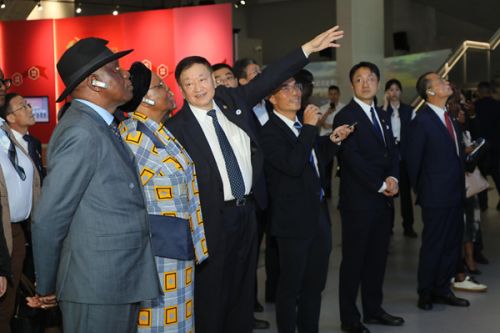
Namibia has taken a major step towards developing a long-term nuclear energy strategy as the country seeks to transform its vast uranium resources into a domestic energy asset capable of strengthening electricity security, supporting industrial growth and increasing value capture from its mineral wealth. President Netumbo Nandi-Ndaitwah announced the development of a national nuclear energy policy backed by legislation following a high-level visit to China’s nuclear energy facilities in Guangdong Province.
The proposed policy represents an important shift in Namibia’s approach to energy planning. While the country has become one of the world’s leading uranium producers, much of its uranium has historically been exported as a raw resource for processing and use in nuclear energy markets abroad. The new framework aims to explore whether Namibia can move further along the nuclear value chain by developing the institutional and regulatory foundations required for potential domestic nuclear electricity generation.
During the visit to the China General Nuclear Power Corporation (CGN), the Namibian delegation examined various stages of the nuclear fuel cycle, including uranium processing and electricity generation systems. The visit provided insight into how uranium moves from extraction through processing before becoming fuel for nuclear reactors. For Namibia, the engagement highlights a broader economic question facing many resource-rich African economies: how to capture more value from natural resources beyond exporting raw materials. By exploring nuclear energy development, Namibia is seeking to connect its mineral wealth with domestic industrial needs while reducing reliance on imported electricity.

The facilities visited are operated by the China General Nuclear Power Corporation, one of the world’s largest clean energy companies. CGN has an established commercial relationship with Namibia through uranium supplies from the Husab Mine, one of the largest uranium mining operations globally. The uranium extracted from Namibia is currently processed abroad before being used in nuclear energy systems. President Nandi-Ndaitwah said the country’s uranium resources should generate greater economic benefits for Namibians by supporting energy security and industrial development. She emphasised that transforming uranium into electricity could allow Namibia to strengthen its energy independence while creating opportunities for technological development, specialised employment and economic diversification.
The proposed nuclear energy policy is expected to provide the legal and institutional framework needed to guide any future nuclear programme. Such a framework would need to address regulatory oversight, safety requirements, environmental management, nuclear security and compliance with international standards. For Namibia, establishing this foundation will be critical. Nuclear energy programmes require significant planning, long-term investment, technical expertise and independent regulatory institutions. Countries pursuing nuclear development must demonstrate strong governance systems to ensure that nuclear technologies are deployed safely and sustainably. The move comes as Namibia, like many African economies, seeks reliable electricity sources to support economic growth and industrialisation. Electricity demand is expected to increase as countries expand manufacturing, mining, digital infrastructure and public services. Reliable energy supply is increasingly viewed as a foundation for competitiveness and economic transformation.
Namibia has significant renewable energy potential, particularly in solar and wind resources, and these technologies remain central to its energy transition plans. However, nuclear energy is increasingly being considered by some governments as a complementary source of low-carbon electricity because of its ability to provide consistent baseload power compared with some variable renewable sources. Across Africa, energy security remains one of the continent’s most significant development challenges. While renewable energy investment has expanded, many countries continue to experience electricity shortages, unreliable grids and limited generation capacity. Governments are therefore exploring diverse energy strategies that balance affordability, reliability and environmental objectives.
Namibia’s nuclear ambitions also reflect a wider trend among uranium-producing countries seeking to benefit more from their natural resources. Africa holds significant uranium deposits, but much of the continent’s mineral wealth is exported with limited domestic processing or manufacturing. Developing local capabilities in areas such as energy production and technology could increase economic value retention. However, nuclear energy development also requires careful consideration of financial and technical challenges. Nuclear power plants involve high upfront capital costs, lengthy construction timelines and complex operational requirements. Ensuring financial sustainability and maintaining public confidence will be essential factors in determining whether Namibia can successfully advance towards nuclear power generation.
The government’s decision to develop a policy before committing to a nuclear programme indicates an effort to establish the necessary governance structures first. A well-defined policy framework can help clarify investment requirements, regulatory responsibilities and the role of international partners. The cooperation with China provides Namibia with access to technical knowledge and experience from one of the world’s largest nuclear energy markets. Knowledge exchange and capacity building could support Namibia’s evaluation of nuclear energy while helping develop local expertise in areas such as regulation, engineering and energy management.
The initiative also aligns with Namibia’s broader development objectives of increasing energy independence, promoting industrialisation and maximising economic returns from natural resources. As the country seeks to position itself as a regional energy player, the ability to convert mineral resources into reliable electricity could become an important component of its economic strategy. For Africa’s energy transition, Namibia’s nuclear policy discussions highlight the increasingly complex choices facing governments. Expanding energy access while reducing emissions requires a combination of technologies, investment models and governance systems tailored to national circumstances.

https://www.aecweek-registration.com/2026/
The development of a nuclear energy policy does not guarantee the construction of a nuclear power plant, but it represents a significant step in evaluating whether nuclear energy can contribute to Namibia’s future energy mix. The success of the initiative will depend on regulatory preparedness, financial feasibility, technical capacity and the ability to ensure that energy development delivers broad economic benefits.
As Namibia continues to assess the role of nuclear energy, the country’s approach will be closely watched by other uranium-producing nations seeking to move beyond raw mineral exports and build stronger domestic energy systems.


