


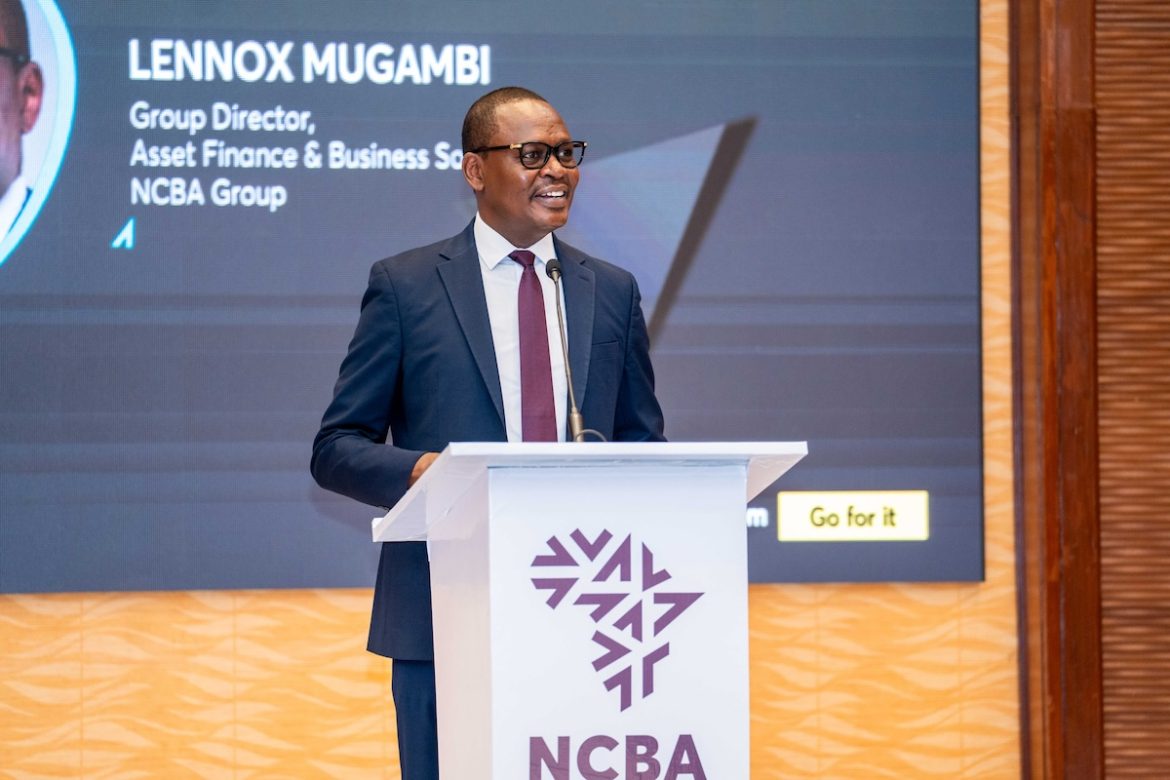
Kenya’s transition towards greener housing finance received a significant boost as NCBA Bank expanded its home financing portfolio in the Coast region by introducing a solar leasing solution alongside its Easy Build financing product, a move aimed at improving access to affordable homeownership while accelerating the adoption of renewable energy in one of the country’s fastest-growing property markets.
The new financing solutions were unveiled during the bank’s Mombasa Property Investment Tour, where prospective homeowners, developers and investors were introduced to flexible financing options designed to lower both the upfront costs of acquiring property and the long-term cost of powering homes through clean energy solutions. The initiative reflects a broader shift within Kenya’s banking sector, where financial institutions are increasingly integrating sustainable finance products into traditional mortgage lending. Rather than treating renewable energy as a separate investment, banks are beginning to incorporate clean energy financing into housing finance, supporting national climate objectives while responding to changing consumer demand.
According to NCBA, the newly launched solar leasing product allows homeowners to install solar energy systems without making substantial upfront capital investments. Instead, customers lease the equipment over time, reducing one of the primary barriers that has historically slowed residential renewable energy adoption across Kenya. The solar offering complements the bank’s Easy Build financing solution, which enables customers to purchase land and construct homes incrementally according to their financial capacity instead of securing financing for an entire construction project at once. The phased financing model is particularly relevant in Kenya, where many households build homes over several years as income becomes available.
The expansion comes as Kenya’s Coast region continues to emerge as one of East Africa’s most attractive property investment destinations. According to global property consultancy Knight Frank, Mombasa contributes approximately 4.9% of Kenya’s Gross Domestic Product while its residential property market has become increasingly competitive with Nairobi’s, supported by sustained infrastructure investment, growing diaspora remittances and expanding demand for residential, retirement and holiday homes. Infrastructure projects, including the Dongo Kundu Bypass, have significantly improved connectivity within the region, reducing transport bottlenecks and opening up previously underdeveloped areas for commercial and residential development. Improved accessibility has contributed to rising land values and increased investor confidence across the wider Coast region.

Emerging residential locations such as Vipingo have also experienced growing investor interest as buyers increasingly seek master-planned communities that combine modern infrastructure, environmental considerations and long-term property value appreciation. These developments reflect changing consumer preferences, with sustainability features becoming an increasingly important consideration alongside affordability and location. The launch also comes at a time when Kenya has made substantial progress in expanding electricity access. According to the World Bank and government statistics, national electricity access has risen to between 76% and 79%, while urban electrification now exceeds 97%. Despite these achievements, reliable electricity supply remains uneven in several parts of the country, particularly in rapidly growing urban and peri-urban settlements where population growth continues to outpace infrastructure expansion.
Consequently, many households continue to supplement grid electricity with alternative energy sources, particularly rooftop solar systems. According to industry estimates, approximately one in five Kenyan households already uses some form of solar energy, positioning Kenya among Africa’s leading markets for distributed renewable energy solutions. For financial institutions, this presents an opportunity to align mortgage lending with broader environmental, social and governance (ESG) objectives. Green financing products are increasingly viewed as mechanisms for reducing household energy costs, improving climate resilience and supporting national commitments under Kenya’s climate action framework.
The integration of solar financing into residential mortgages also reflects wider developments in sustainable finance across Africa. Development finance institutions, commercial banks and international investors have increasingly prioritised green buildings and renewable energy as investable asset classes capable of delivering both financial returns and measurable environmental outcomes. According to the International Finance Corporation, Africa’s green buildings market is expected to expand significantly over the coming decades as urbanisation accelerates and governments seek to reduce emissions from rapidly growing cities. Buildings currently account for a substantial share of global energy consumption and greenhouse gas emissions, making energy-efficient construction and renewable energy integration important components of long-term climate strategies.
Kenya has positioned itself as one of Africa’s leaders in sustainable energy, with more than 90% of its grid electricity generated from renewable sources including geothermal, hydroelectric, wind and solar power. However, expanding distributed renewable energy systems at household level remains essential for improving energy resilience while reducing electricity costs for consumers. Beyond environmental considerations, NCBA’s financing model also addresses affordability, one of Kenya’s most persistent housing challenges. The country’s housing deficit continues to widen as rapid urbanisation outpaces residential construction, placing homeownership beyond the reach of many middle-income households.
Flexible financing mechanisms such as phased construction loans allow prospective homeowners to spread development costs over longer periods, reducing financial pressure while enabling incremental wealth creation through property ownership. Such products complement broader government efforts to increase affordable housing supply under Kenya’s national housing agenda. During the Mombasa Property Investment Tour, participants visited developments including Ocean View Ridge, Kingswood Park, Awali and Pazuri, while receiving practical guidance from legal experts, valuers, developers and NCBA financial specialists. The sessions covered legal due diligence, property ownership documentation, mortgage structuring, affordability assessments, insurance requirements and project risk management areas that often present challenges for first-time property buyers.
NCBA said its mortgage portfolio in Kenya’s Coast region now exceeds KES 1.1 billion, supported by partnerships with seven property developers across Mombasa. The bank continues to finance affordable housing developments, buy-and-build projects and larger construction investments across the region. Among the financing products highlighted was a mortgage offering of up to 105% financing, enabling customers to finance not only the purchase price of a property but also associated transaction costs including legal fees and property valuation expenses. Such products seek to reduce the upfront financial barriers that frequently delay home purchases.
https://www.aecweek-registration.com/2026/
For larger-scale developers, NCBA also provides construction financing linked to project milestones, supported by internal technical specialists including quantity surveyors responsible for monitoring project implementation and financial progress. The bank indicated that similar property investment engagements will be rolled out in other parts of Kenya as it expands access to housing finance and sustainable energy solutions.
For Africa, the significance of initiatives such as NCBA’s extends beyond mortgage lending. As the continent experiences one of the world’s fastest rates of urbanisation, financial innovation will increasingly determine whether rapidly growing cities develop through resilient, energy-efficient housing or continue expanding with infrastructure deficits that lock in higher economic and environmental costs.
By combining flexible housing finance with renewable energy adoption, financial institutions are beginning to demonstrate how sustainable finance can address multiple development objectives simultaneously—improving housing affordability, supporting clean energy deployment, strengthening household resilience and advancing national climate commitments. As African cities continue to grow, integrated financing models of this nature are likely to play an increasingly important role in shaping more inclusive and sustainable urban development.


