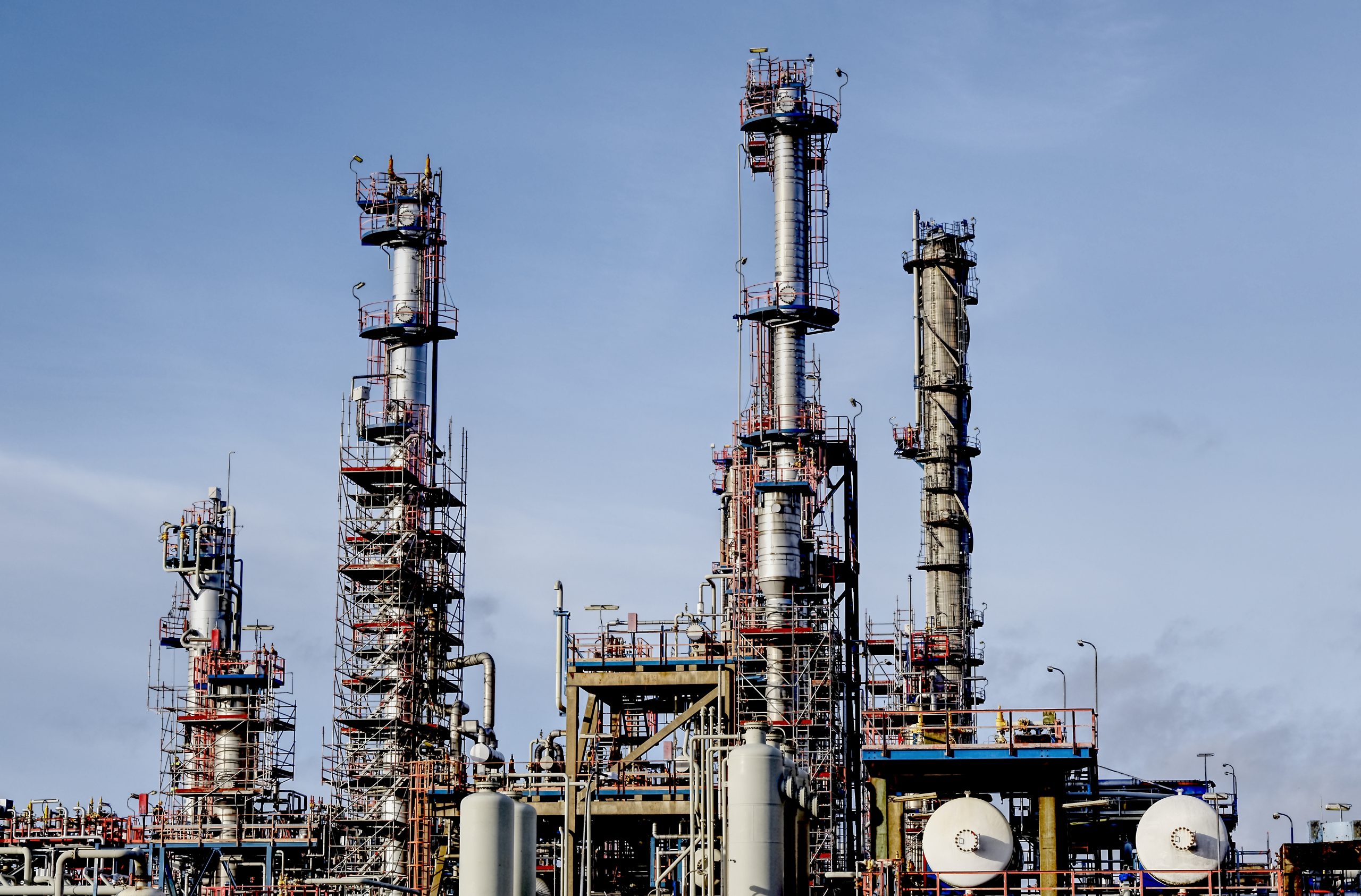

Nigeria’s proposed 500,000-barrel-per-day refinery, a $50 billion undertaking planned for Ondo State, has moved a step closer to reality after project partners formalized a new joint venture structure to steer its development.
The announcement, made this week in Abuja, confirms who is backing the refinery, what new commitments have been secured, where the facility will be built, when current milestones were achieved, why the project matters for Nigeria and Africa’s wider energy landscape, and how the next stage of implementation will unfold.
The new company, Sunshine Joint Venture Infrastructure Limited, has been incorporated to take charge of the refinery’s execution. It brings together Backbone Infrastructure Nigeria Limited, which initiated the project, and NEFEX Holdings Limited of Canada, whose operational experience across the Middle East, Europe and North America is now being folded into the effort.
Read also: Askari Metals raises A$1.15 million to explore Ethiopia’s Nejo Gold project
The partners say the structure strengthens their capacity to deliver a facility of this scale, while aligning with the Ondo State Government, which has already cleared land within its free trade zone and endorsed a series of agreements through the state’s investment promotion agency. The state’s involvement has been central from the start, as the project depends on streamlined regulation, access to coastal logistics and long-term land tenure.
The refinery’s scale places it among Africa’s largest private-sector industrial ventures. Once operational, it would be second only to the $20 billion Dangote Refinery in Lagos, which began phased operations in 2023. The planned 500,000-barrel processing capacity rivals national output levels seen in major African economies; for context, Ghana’s sole refinery has a capacity of just 45,000 barrels per day, while South Africa’s largest units range between 100,000 and 180,000 barrels.
A single plant of this magnitude would reshape supply patterns across West Africa, where refined fuel imports remain stubbornly high despite the region producing more than 4 million barrels of crude daily.

For Nigeria, the implications reach far beyond fuel supply. Years of underinvestment and repeated shutdowns at the country’s state-owned refineries have left Africa’s biggest oil producer reliant on imported petrol, diesel and aviation fuel. In 2024 alone, Nigeria spent over $14 billion on refined product imports, draining foreign exchange reserves and widening fiscal pressure on the naira.
A refinery with half-a-million barrels per day of throughput would cut import needs sharply, stabilise domestic fuel markets, and strengthen the country’s position in regional trade. It would also create a competitive dynamic with the Dangote complex, ensuring that Nigeria does not rely on a single mega-facility for its refining future.
Sustainability concerns sit at the center of the conversation, even though the project is a fossil-fuel asset. On one hand, the refinery reinforces a global trend in which African economies continue expanding oil-based infrastructure even as the world races to decarbonize.
On the other, the project’s backers argue that the absence of local refining capacity has forced African countries into a more carbon-intensive model, where crude is exported abroad and refined fuels are shipped back across long distances.
The refinery, they say, offers a path to reduce emissions linked to transport, modernise fuel standards, curb soot-heavy informal refining, and accelerate the retirement of ageing plants that no longer meet environmental thresholds.
The sustainability calculus becomes more complex when viewed across the continent. West African neighbours who depend on Nigerian fuel supplies; Benin, Togo, Niger, and parts of Cameroon, have experienced frequent shortages in recent years due to foreign exchange constraints and volatility in Nigeria’s subsidy reforms.
A stable refining hub in Ondo could help buffer the region’s exposure to external shocks. But it also delays the transition to cleaner transport fuels, especially in urban centers like Lagos, Accra and Abidjan, where air quality studies show rising concentrations of particulate matter linked to diesel emissions.
Balancing energy security with environmental obligations will require long-term commitments to cleaner fuels, tighter regulation and a clear timeline for integrating renewables into the transport system.

The financial dimension is equally significant. Securing $50 billion for an energy project in a period of tightening global capital has become uncommon, particularly as many international lenders now restrict financing for oil infrastructure. The consortium’s ability to attract that scale of investment reflects how private capital still sees opportunity in the African downstream market, where unmet demand and inefficient supply chains leave wide margins for new entrants.
For local banks, the scale of the project could shift credit trends. Nigeria’s financial system has historically been cautious about long-tenor infrastructure lending, but anchor projects of this size often prompt structural reforms, encourage syndicated financing and invite multilateral institutions to participate in risk-mitigated tranches.
Communities around the project site are already adjusting to the early phases of development. Survey teams have been active across Ilaje and neighboring coastal districts, where land mapping and environmental assessments are underway. Residents have raised concerns about potential displacement, mangrove loss and pressure on local fishing grounds, which provide livelihoods for thousands of households.
Read also: Nigeria’s Agbada-67 Gas Well restored, boosting Eastern power generation by 455MW
Project partners say these issues will be addressed through compensation mechanisms and environmental safeguards, but local experience with large infrastructure projects in Nigeria has taught communities to demand stronger guarantees. How these early negotiations unfold will influence the refinery’s social licence to operate.
Across Africa, the refinery’s progress is being watched closely by countries evaluating their own refining strategies. Angola, which operates the 65,000-barrel-per-day Luanda refinery, is building two additional plants to reduce fuel imports. Uganda has revived discussions on a smaller refinery to complement its Lake Albert oil development. Senegal is considering upgrades to its SAR refinery to meet rising local demand.
Nigeria’s move signals that large-scale refining may again become central to economic planning on the continent, even as global energy narratives shift.
Engage with us on LinkedIn: Africa Sustainability Matters
Engage with us on LinkedIn: Africa Sustainability Matters