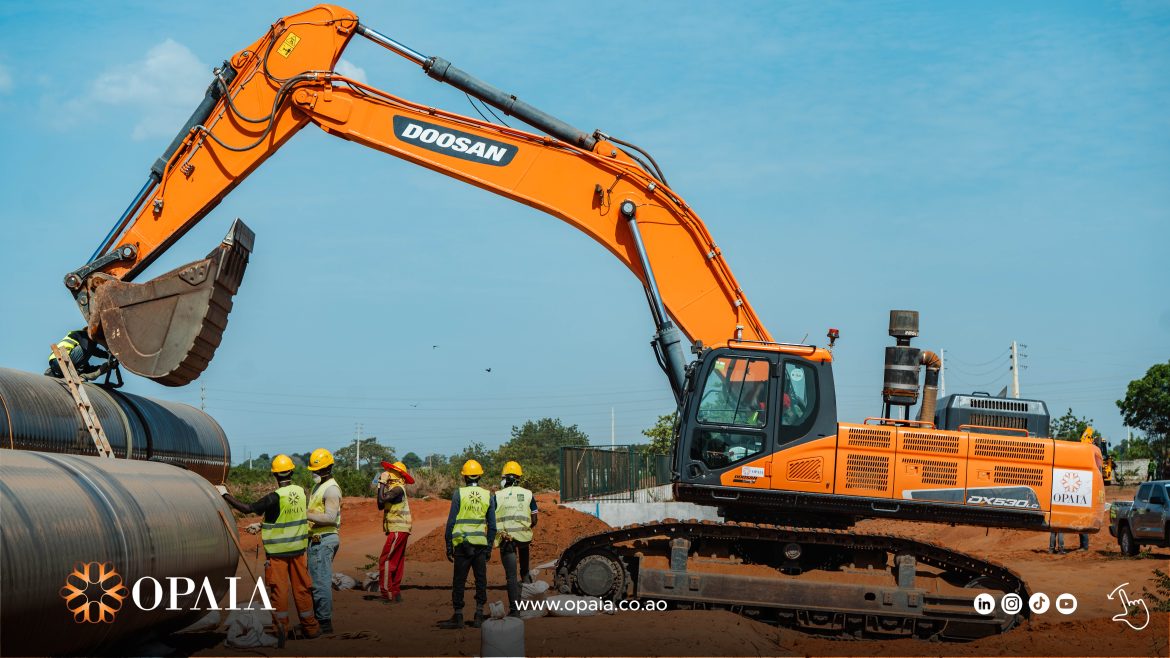
Angola is advancing one of its most ambitious water infrastructure projects as construction progresses on the Quilonga Grande Water Supply System, a major initiative expected to provide reliable access to clean drinking water for approximately five million people across Luanda and Icolo e Bengo provinces by the end of 2026.
The project, developed by the Angolan government through the Ministry of Energy and Water, is designed to address chronic water shortages affecting the country’s most populous urban areas while strengthening long-term water security and supporting economic development.
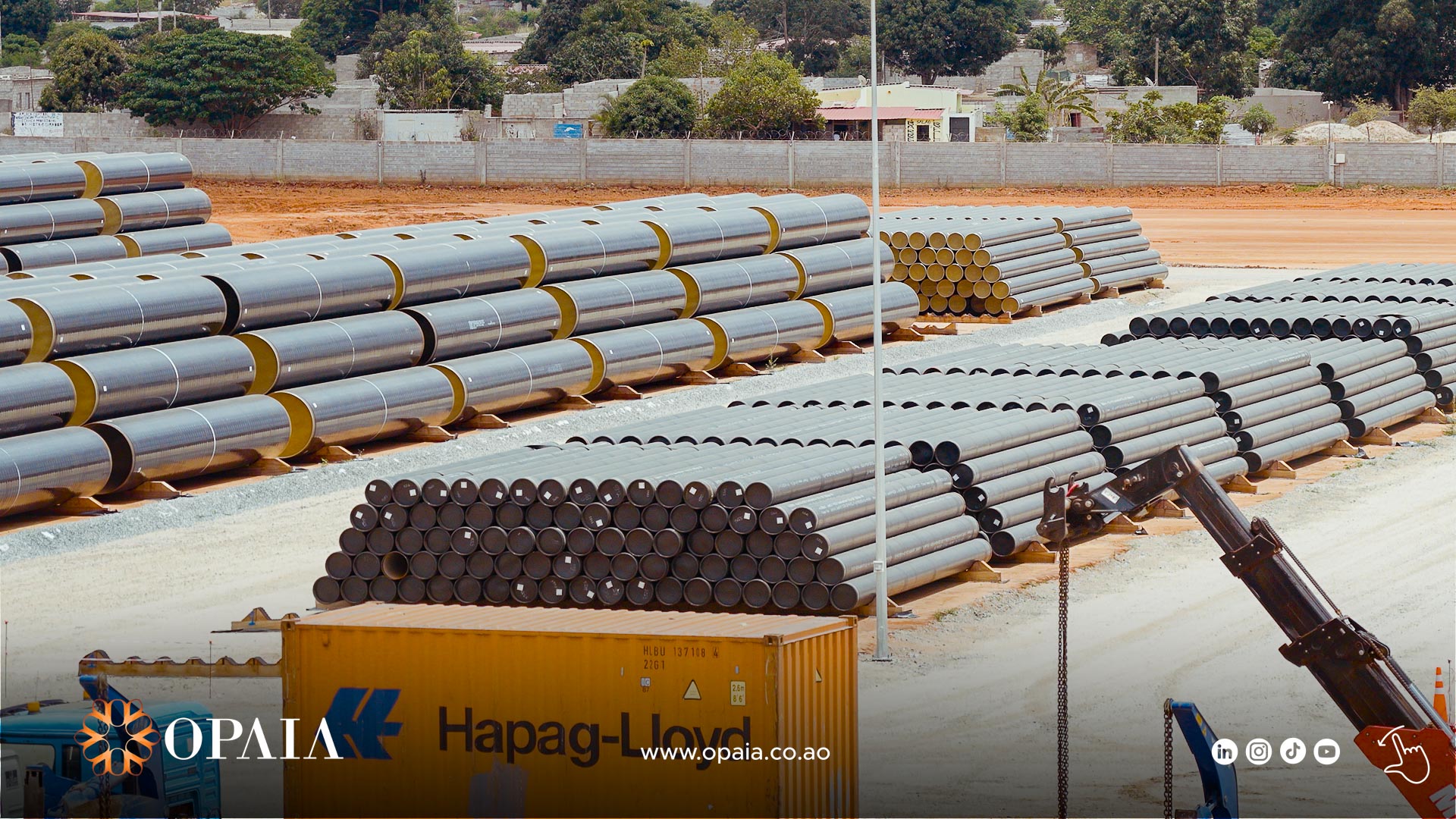
Among the key participants in the project is Opaia Group, one of Angola’s largest diversified business groups, which is contributing to the construction of critical water distribution infrastructure through its Engineering and Construction Business Unit. The company is part of an international consortium responsible for delivering various components of the large-scale development.
Progress on the project was recently reviewed during a technical inspection involving Empresa Pública de Águas de Luanda (EPAL) Chief Executive Officer Eng. Solange Góis and other stakeholders. The inspection focused on Lot 1, which includes the water intake and treatment plant, and Lot 8, covering the pumping station infrastructure.
The Quilonga Grande Water Supply Project represents a strategic investment in Angola’s efforts to expand access to essential public services and improve living conditions in rapidly growing urban centres. Luanda, home to an estimated 10 million residents, has experienced mounting pressure on water infrastructure due to population growth, urban expansion and increasing demand for reliable water services.
Limited access to clean water remains a significant challenge in many communities, placing strain on public health systems and constraining broader economic development. Government officials view the Quilonga Grande project as a transformative intervention capable of substantially reducing these pressures while improving service delivery.
Once operational, the system will have the capacity to produce and distribute 518,000 cubic metres of treated drinking water daily. The infrastructure includes more than 110 kilometres of transmission pipelines, connections to 11 strategic distribution centres and storage facilities with a combined capacity exceeding 283,000 cubic metres.
Water will be abstracted from the Kwanza River, approximately 50 kilometres from the treatment plant, before undergoing treatment and distribution to communities across the two provinces.
The project will serve strategic population centres including Cacuaco, Viana and Mulenvos in Luanda Province, as well as Calumbo, Cabiri, Sequele, Bom Jesus and Catete in Icolo e Bengo Province. Authorities estimate that approximately 350,000 households will gain access to piped water connections for the first time following the project’s completion.
Beyond improving access to clean drinking water, the investment is expected to generate substantial public health benefits. Access to safe water remains one of the most effective interventions for reducing waterborne diseases and improving overall community health outcomes. Public health experts have consistently highlighted the importance of water infrastructure in reducing disease burdens associated with contaminated water sources and inadequate sanitation.
The project is also expected to support broader economic development by improving conditions for industrial activity, urban growth and agricultural production. Reliable water infrastructure is widely recognised as a critical foundation for sustainable economic expansion, particularly in rapidly urbanising regions.
Opaia Group’s participation reflects the growing role of domestic private-sector companies in delivering large-scale infrastructure projects across Angola. Through its Engineering and Construction division, the company is supporting the implementation of key infrastructure works while contributing technical expertise and operational capacity.
In addition to construction activities, Opaia has been involved in institutional coordination processes aimed at ensuring effective project delivery. These efforts include engagement with EPAL, contractors, consultants and municipal authorities to address implementation challenges, minimise social impacts and promote sustainable project outcomes.
The broader consortium combines local and international expertise. Portugal-based Casais Group is participating through its subsidiaries Casais Engenharia e Construção and CNT Bau GmbH, a German-based construction and public works specialist. The consortium also includes Germany’s GAUFF GmbH & Co. Engineering KG, an infrastructure engineering firm with extensive experience delivering water, wastewater, transport and energy projects across Africa and Europe.
The collaboration reflects a growing trend in African infrastructure development, where partnerships between local firms and international engineering specialists are helping governments deliver complex projects requiring significant technical expertise and financial resources.
Construction of key project components, including water abstraction facilities, transmission pipelines, treatment plants and reservoirs, is already at an advanced stage. Authorities expect the system to begin supplying water to communities across Luanda and Icolo e Bengo by the end of next year.
Dr. Agostinho Kapaia, Chairman of Opaia Group, described the initiative as a model for the type of infrastructure investment needed to support long-term development across Angola and the wider African continent.
“The Quilonga Grande project represents exactly the kind of transformative infrastructure investment that Angola and the wider continent need. Reliable access to clean water is fundamental to public health, economic development and quality of life. Through OPAIA Engineering and Construction, we are proud to be playing a direct role in delivering a solution of this scale and significance,”he said.
Founded in 2002, Opaia has grown into one of Angola’s leading diversified business groups, with operations spanning construction, mining, fertilizers, finance and automotive sectors across four continents. Through both its commercial activities and the Opaia Foundation, the company has positioned itself as a contributor to economic development and entrepreneurship initiatives across Africa.
https://www.aecweek-registration.com/2026/
As Angola continues to invest in critical infrastructure, the Quilonga Grande Water Supply Project stands out as one of the country’s most significant public utility developments. By expanding access to safe drinking water for millions of residents, the project is expected to strengthen public health, improve quality of life and provide a foundation for future economic growth in two of Angola’s most important provinces.