


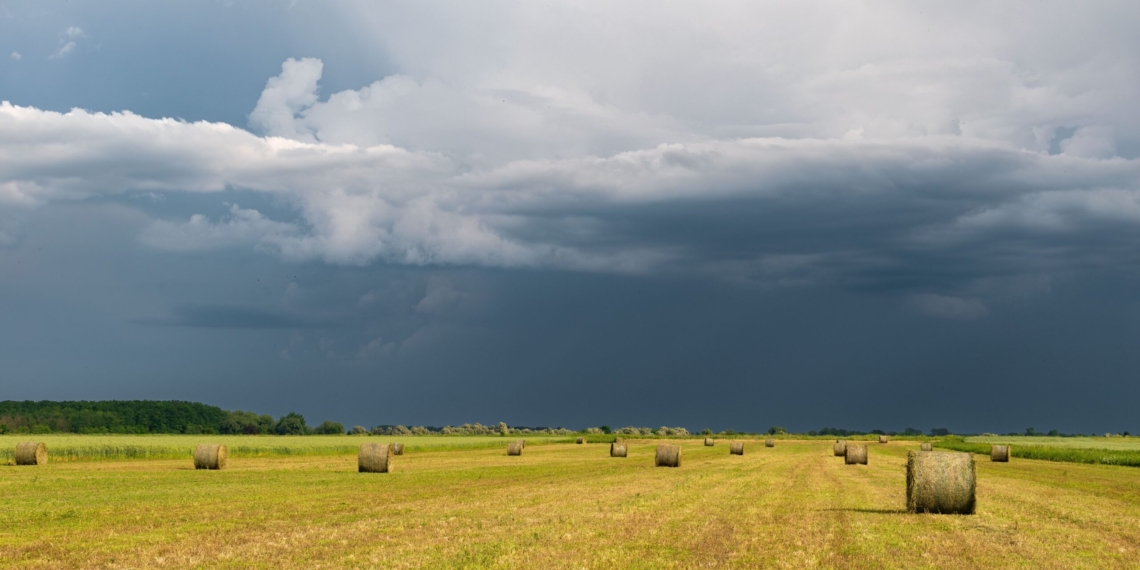
South African agriculture is entering a structural transition in which long-standing production cycles are being overtaken by a more permanent state of volatility, requiring producers, financiers and policymakers to rethink how the sector builds resilience, allocates capital and competes in global markets. Industry discussions held across several major agricultural forums this year indicate that climate variability, shifting consumer preferences, sustainability requirements and geopolitical uncertainty are becoming enduring features of the operating environment rather than temporary disruptions.
The changing landscape emerged as a common theme at industry gatherings including NAMPO, the Agbiz Conference and the South Africa Wine Summit, where producers, agribusiness leaders and financial institutions assessed the evolving risks confronting one of Africa’s most important agricultural economies. While each event focused on different segments of the industry, they collectively pointed to a broader conclusion: South African agriculture is moving beyond managing cyclical fluctuations towards operating within a permanently more complex and interconnected global system.
Traditionally, agricultural performance has been shaped by recurring cycles such as rainfall variability, commodity price movements and changing interest rates. Producers could often rely on historical patterns to inform investment and production decisions. According to industry participants, however, today’s environment is increasingly characterised by structural shifts that extend beyond seasonal variability. Climate change is altering rainfall patterns, extreme weather events are becoming more frequent, international trade relationships remain uncertain, and evolving consumer expectations are redefining market demand. Together, these forces are reducing the predictability that has historically underpinned agricultural planning.
The wine industry illustrates how these broader structural changes are unfolding. Discussions at the South Africa Wine Summit highlighted slowing global wine consumption alongside a shift towards premium, value-driven purchasing decisions. Consumers are increasingly selecting products that align with personal values, sustainability expectations and lifestyle preferences rather than purchasing on volume alone. Similar trends are emerging across other agricultural commodities, including fruit, grains, livestock and nuts, where differentiation, product quality and environmental performance are becoming increasingly important determinants of market access and pricing.
For African agriculture more broadly, the implications extend beyond individual commodities. Export-oriented producers across the continent face tightening sustainability standards in key international markets, particularly within Europe, where environmental reporting, traceability and supply chain transparency are becoming prerequisites for trade. Producers unable to demonstrate compliance with evolving environmental, social and governance (ESG) requirements risk losing competitiveness even where production costs remain favourable.
Technology is also reshaping the competitive landscape. Digital agriculture, precision farming, remote sensing, artificial intelligence and data-driven farm management are enabling producers to improve productivity while reducing resource consumption. These technologies offer opportunities to strengthen climate resilience through more efficient water management, improved crop monitoring and better risk forecasting. However, their adoption requires sustained investment and access to affordable financing, creating challenges for smaller producers across much of Africa.
According to financial sector participants at the Agbiz Conference, agricultural finance is itself undergoing significant transformation. Traditional seasonal lending models remain important but are increasingly being supplemented by longer-term investment aimed at improving operational resilience. Financial institutions are placing greater emphasis on investments that enhance energy independence, strengthen water security, improve logistics and support climate adaptation. These investments are viewed not only as environmental improvements but as measures that reduce operational risk and improve long-term profitability.
This evolution reflects wider changes in sustainable finance globally. Commercial banks, development finance institutions, blended finance mechanisms and government-backed guarantees are increasingly being combined to mobilise capital for climate-smart agriculture and rural infrastructure. For African economies, where agriculture remains a major employer and contributor to export earnings, expanding access to long-term finance will be critical to sustaining productivity while adapting to changing climatic conditions.
ESG considerations are also moving from corporate reporting functions into day-to-day agricultural operations. Buyers increasingly require producers to provide evidence of sustainable farming practices, responsible water use, biodiversity protection and lower carbon intensity throughout agricultural supply chains. Traceability systems, environmental monitoring and verified production data are becoming commercial requirements rather than voluntary sustainability initiatives.
This shift has important implications for Africa’s export competitiveness. Agricultural exporters that invest early in digital traceability systems, climate adaptation measures and sustainable production standards are likely to strengthen access to premium international markets. Conversely, producers that delay investment may face increasing compliance costs or reduced market access as sustainability regulations tighten across global food supply chains.
 South Africa’s experience offers lessons for the wider continent. Despite persistent infrastructure challenges and climate pressures, the country’s agricultural sector continues to demonstrate significant adaptive capacity through technological innovation, diversified production systems and expanding public-private collaboration. According to industry leaders, maintaining this competitiveness will depend less on responding to individual crises than on building businesses capable of operating successfully within a permanently uncertain environment.
For Africa, where agriculture supports millions of livelihoods while underpinning food security and export revenues, the transition towards climate resilience and sustainability represents more than an environmental agenda. It reflects a broader economic transformation in which investment decisions, financial systems, market access and governance increasingly determine the sector’s long-term productivity. As climate risks intensify and international buyers place greater emphasis on sustainability performance, the continent’s agricultural competitiveness will increasingly depend on its ability to integrate resilience, innovation and transparent governance into every stage of production.


