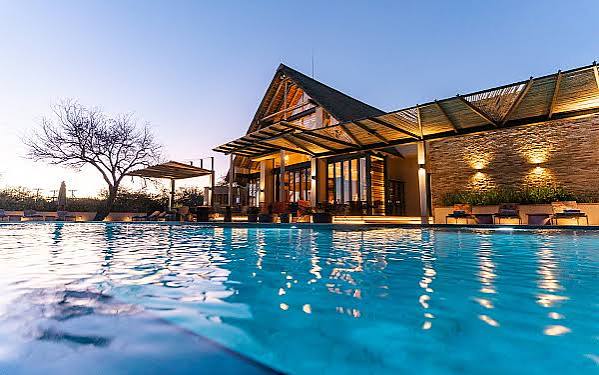
Radisson Safari Hotel Hoedspruit in South Africa’s Limpopo province has become Africa’s first Verified Net Zero hotel, introducing a model of low-carbon hospitality that combines renewable electricity, electrified equipment, water recovery, waste reduction and lower-carbon dining at an established safari destination.
The 138-room property, located near Kruger National Park and Blyde River Canyon, has achieved the status under Radisson Hotel Group’s Verified Net Zero Hotels programme. The initiative addresses emissions across a hotel’s direct operations, purchased energy and value chain, with independent third-party verification by TÜV Rheinland. The milestone extends the programme beyond its initial European markets and places South Africa within the group’s wider effort to establish 100 Verified Net Zero hotels by 2030.
The development highlights a growing operational challenge for Africa’s tourism industry: how to reduce the environmental footprint of hotels and visitor facilities while maintaining the service standards on which the sector depends. For safari destinations, where wildlife, landscapes and biodiversity are central to the visitor experience, the relationship between tourism operations and environmental protection is particularly significant.

Danie Smit, general manager of Radisson Safari Hotel Hoedspruit, said the transition involved changes across the property rather than a single investment in renewable energy. The hotel has combined energy improvements with measures covering food, water, waste, procurement and guest services, demonstrating how an existing hospitality facility can pursue emissions reductions without relying solely on new construction.
The energy strategy combines on-site solar generation with renewable electricity procurement supported by guarantees of origin. The hotel also plans to use a solar wheeling agreement from 2027, under which electricity generated by a renewable energy supplier is fed into the national grid and an equivalent contracted volume is allocated to the hotel’s consumption.
The approach offers a potential pathway for businesses that cannot meet all their electricity needs through rooftop solar or on-site generation. Through wheeling arrangements, companies can contract for renewable power produced elsewhere, subject to the relevant market arrangements, grid infrastructure and contractual terms. For hotels operating in areas where electricity reliability and operating costs influence business performance, a diversified renewable energy strategy can also form part of longer-term energy planning.
Electrification is another component of the Hoedspruit model. The hotel uses electric equipment extensively in its kitchen, heat pumps to provide hot water in guest rooms, and electric golf carts and three-wheel utility vehicles for daily operations. These measures reduce reliance on fossil fuels used directly on the property, while renewable electricity procurement addresses emissions associated with purchased power.
David McDonald, chief executive officer of SolarAfrica, which is supporting the hotel’s energy transition, said the partnership was designed to meet immediate net-zero requirements while creating a longer-term pathway for clean energy across the property. The collaboration reflects the growing role of energy service providers in helping commercial customers access renewable electricity through solutions beyond conventional on-site solar installations.
However, renewable electricity represents only one part of a hotel’s environmental footprint. Food procurement, outsourced laundry, packaging, amenities, waste and other purchased goods can contribute substantially to value-chain emissions. Radisson’s programme therefore requires participating properties to reduce operational Scope 3 emissions alongside the direct and energy-related emissions covered under Scopes 1 and 2 of the Greenhouse Gas Protocol.
At Hoedspruit, water and waste management form part of that wider effort. The hotel reports that its on-site treatment plant recycles all wastewater. Waste separation and specialist recycling partnerships are intended to divert waste from landfill, with Shodulla Recycling handling materials such as plastic, glass and paper, while Egg Brothers processes food waste through composting and worm farming.
The property has also introduced bulk bathroom amenities in containers returned to suppliers through a closed-loop recycling arrangement. Glass water bottles reduce packaging requirements, while additional amenities are provided on request. Guests are encouraged to reuse towels and select flexible housekeeping options, measures intended to reduce water consumption, energy use and cleaning-product demand.
Digital services are also being used to reduce material consumption. The hotel plans to use the STAY e-concierge application to consolidate hotel information and guest requests, reducing the need for printed materials in bedrooms and enabling more direct communication between guests and staff.
Food services provide another avenue for managing emissions. Working with Klimato, a food sustainability platform, the hotel is introducing carbon-labelled menus that allow guests to see the emissions associated with different dining choices. The information also helps the culinary team review ingredients and recipes, identify lower-carbon alternatives and prioritise these options on menus and buffets.
The procurement strategy extends to partnerships with suppliers and local enterprises. Through Zanetti Collection, used Hausbrandt coffee bags are repurposed into reusable shopping bags by a community sewing project, linking waste reduction with employment and social programmes. Compostable coffee capsules and tea products with recyclable packaging and compostable tea bags are additional measures intended to reduce waste from daily operations.
These initiatives require staff training, energy monitoring and preventative maintenance to become part of routine hotel management. Their performance depends on consistent implementation across housekeeping, engineering, food and beverage services, procurement and front-office teams, rather than the introduction of isolated sustainability measures.
Inge Huijbrechts, chief sustainability and security officer at Radisson Hotel Group, said the programme goes beyond energy sourcing to address the wider footprint of hotel operations. She said independent verification provides a framework through which guests, hotel owners and corporate customers can assess the property’s net-zero credentials.
The verification process is important because the term “net zero” can describe different approaches across the hospitality industry. Radisson’s methodology prioritises eliminating or reducing emissions from energy use, then reducing operational and supply-chain emissions before addressing the residual footprint through carbon removal credits. According to the group, participating hotels are independently assessed against its Net Zero Methodology for Hotels, with emissions measured and reported in line with the Greenhouse Gas Protocol.
At Hoedspruit, residual emissions are addressed through carbon removal credits procured via GreenTrade from TASC, a carbon finance and project developer, through its Grassland Restoration and Stewardship in South Africa project, known as GRASS. The project supports improved livestock management and regenerative grazing on South African grasslands, with objectives that include improving soil health, restoring biodiversity and strengthening rural livelihoods.
TASC says its GRASS programme is working with more than 10,000 farmers across over 600,000 hectares of communal rangeland. Shelley Estcourt, chief executive officer of TASC Africa, said the project is intended to generate climate benefits alongside improvements to land management and opportunities for rural communities. GreenTrade facilitates the procurement of the credits, connecting the hotel’s climate commitments with the land-management programme.
The use of credits remains distinct from reducing emissions within the hotel itself. While credits can address emissions that have not yet been eliminated, the credibility of a net-zero claim depends on transparent emissions accounting, the quality and verification of the underlying projects, and evidence that reductions are prioritised before residual emissions are compensated. In this case, TÜV Rheinland’s independent verification is central to Radisson’s stated methodology, while the GRASS project provides the nature-based carbon removal component.
The distinction matters for African tourism businesses seeking to respond to growing scrutiny of environmental claims from travellers, corporate travel buyers and investors. A credible transition requires measurable operational changes and clear reporting on what has been reduced directly, what remains and how residual emissions are addressed.
The Hoedspruit project also offers a practical example for established hotels across the continent. Many properties face capital constraints, uneven access to renewable electricity, water stress and waste-management limitations. A combination of energy procurement, electrification, resource efficiency, supplier engagement and independently verified emissions accounting could provide a pathway for hotels to address these challenges incrementally, although costs and feasibility will differ by location and property.

For safari destinations, the potential benefits extend beyond energy use. More efficient water systems and waste management can help reduce pressure on local infrastructure and surrounding ecosystems, while partnerships with local suppliers and community enterprises can create economic links between sustainability programmes and host communities. The scale of those benefits will depend on implementation and the quality of evidence used to measure outcomes.
Radisson Hotel Group’s ambition to reach 100 Verified Net Zero hotels by 2030 will test whether the model can be extended across different markets, building types and operating conditions. The Hoedspruit milestone establishes an African reference point, but wider adoption will depend on the availability of renewable energy, investment, reliable verification and the ability to reduce emissions across hotel supply chains.
The significance of the development, therefore, lies not only in the designation of one property. It is a test of whether sustainability commitments can be translated into everyday operating decisions across the hospitality sector, while maintaining service quality and delivering measurable environmental improvements.