


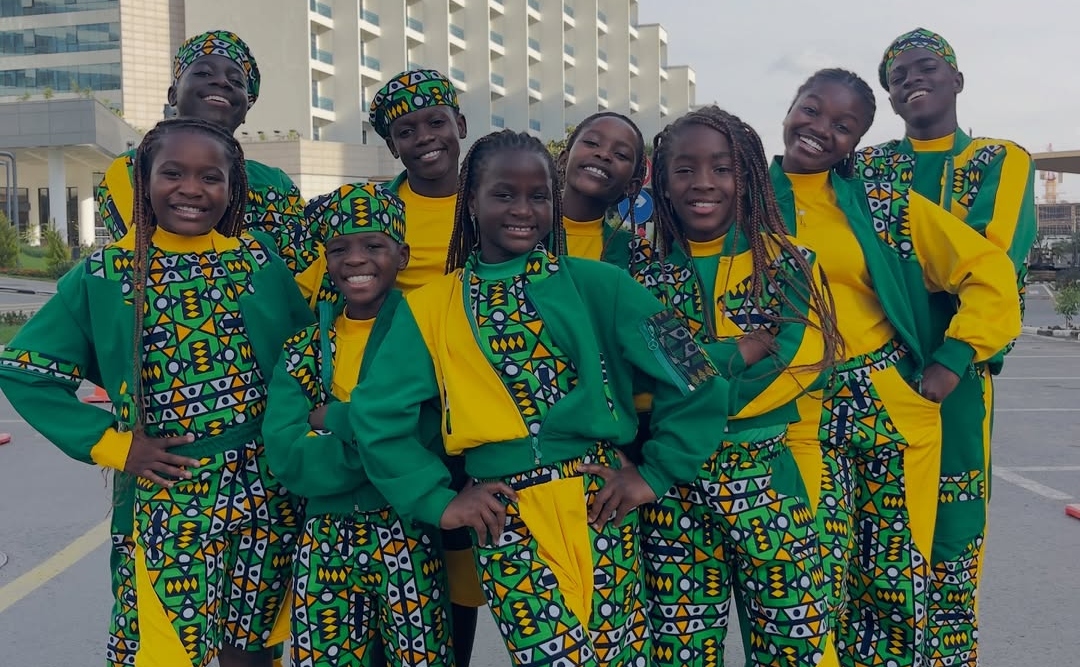
Uganda’s internationally recognised Ghetto Kids dance troupe is preparing to perform alongside global music star Shakira at the FIFA World Cup final in the United States, a milestone that underscores the growing economic and social significance of Africa’s creative industries. The invitation follows a viral social media campaign linked to the tournament’s official anthem and places a youth-focused community arts initiative from Kampala on one of the world’s most visible entertainment stages.
The announcement, made by Colombian singer Shakira through social media, selected the Ghetto Kids as the first group to join her during the World Cup final halftime performance. The troupe, which originated in Kampala and works with vulnerable children through dance and performing arts, has gained international recognition over the past decade through online performances that attracted global audiences and opportunities on international television platforms.
For the young performers, the invitation represents more than a high-profile appearance. It reflects the increasingly important role that digital platforms, cultural exports and creative talent play in expanding opportunities for African youth. Members of the troupe described the upcoming performance as a chance to showcase their abilities to a worldwide audience and to demonstrate the potential of young people from communities often overlooked in mainstream development discussions.
The significance of the opportunity extends beyond entertainment. According to development economists and creative industry specialists, Africa’s cultural and creative sectors are becoming increasingly important contributors to employment generation, entrepreneurship and economic diversification. In many countries, particularly those with rapidly growing youth populations, creative industries are emerging as alternative pathways to income creation and skills development.
 Uganda’s experience reflects broader continental trends. Across Africa, music, film, fashion, digital content creation and performing arts are attracting increasing investment while generating new opportunities for young entrepreneurs. Digital platforms have reduced barriers to entry, allowing creators to access global audiences without relying exclusively on traditional distribution channels.
The Ghetto Kids initiative was established as a community-based programme aimed at supporting abandoned, vulnerable and orphaned children through performing arts. Founder Kavuma Dauda, himself a former street child, has used dance as both a rehabilitation tool and a pathway to education and social inclusion. The organisation’s development model combines creative expression with mentorship and access to opportunities that might otherwise remain inaccessible to disadvantaged children.
The group’s rise from performances filmed on Kampala’s streets to appearances on international stages highlights how creative talent can intersect with social development objectives. According to youth development practitioners, programmes that integrate arts, education and social support can contribute to improved life outcomes while strengthening community resilience.
The World Cup appearance also demonstrates the growing influence of African cultural content in global entertainment markets. International audiences increasingly engage with African music, dance and digital content, creating opportunities for artists and performers while strengthening the continent’s cultural visibility. These developments contribute to a broader shift in which creative industries are increasingly viewed as economic assets rather than solely cultural activities.
For policymakers, the story highlights the importance of investing in creative ecosystems that support talent development, digital infrastructure and skills training. Many African countries continue to face high youth unemployment rates despite having some of the world’s youngest populations. Expanding opportunities in creative industries can complement traditional employment sectors while encouraging innovation and entrepreneurship.
The economic implications are also significant. Creative industries generate employment across multiple value chains, including production, marketing, technology, tourism and education. Successful cultural exports can strengthen national branding, attract international partnerships and contribute to foreign exchange earnings. In several African economies, governments are increasingly incorporating creative economy strategies into broader development plans.
The visibility associated with a global event such as the FIFA World Cup may also create longer-term opportunities for the organisation. According to Dauda, the group hopes increased international attention can support fundraising efforts for a rehabilitation and education centre that would expand services for vulnerable children. Such initiatives illustrate how cultural recognition can potentially translate into social investment and community development outcomes.
 The broader development relevance lies in demonstrating how talent, when supported by community institutions and digital connectivity, can create pathways that extend beyond traditional economic sectors. While the challenges facing vulnerable youth remain substantial, examples such as the Ghetto Kids suggest that creative industries can play a meaningful role in expanding opportunities and strengthening social inclusion.
As the troupe prepares to perform before a global audience expected to number in the hundreds of millions, the moment represents more than a cultural achievement. It reflects the increasing intersection of youth empowerment, digital innovation and creative enterprise within Africa’s development landscape, offering insight into how cultural capital can contribute to economic opportunity and social transformation across the continent.


