


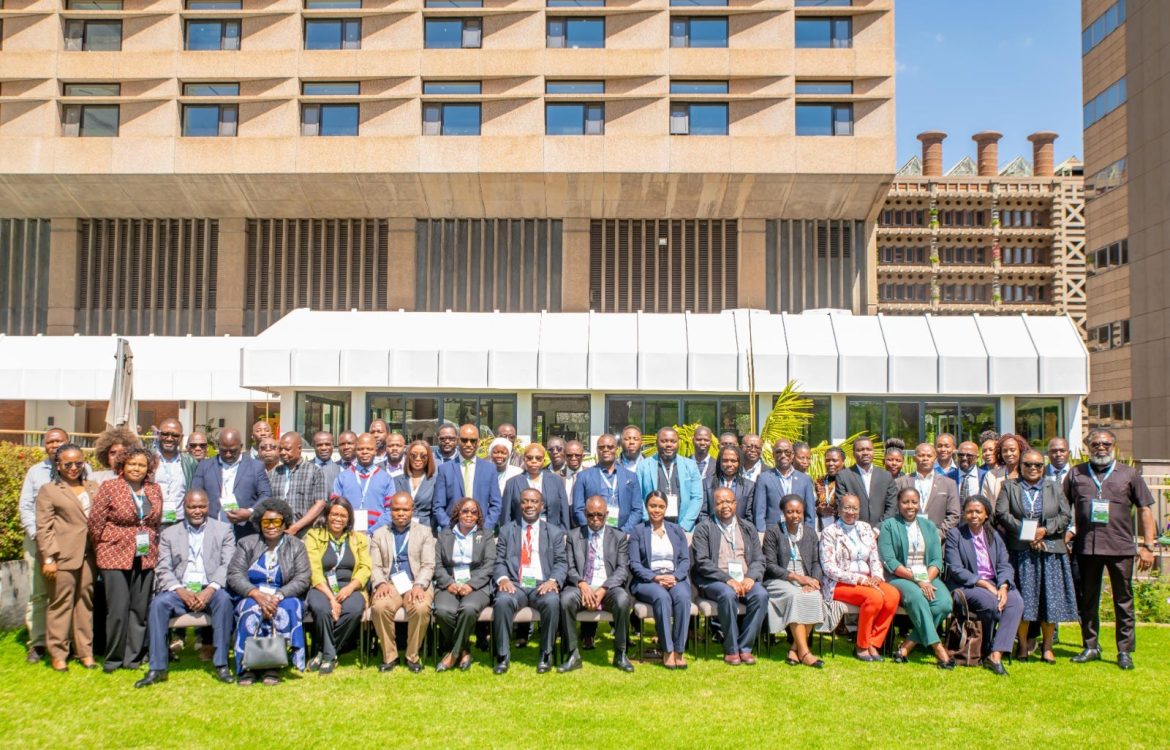
Representatives from the eight nations sharing the Zambezi River Basin have finalized core priority actions for a $130 million regional climate-resilience initiative, establishing a unified governance and financing blueprint designed to protect critical infrastructure, public finances, and agricultural output across Southern Africa. According to announcements from the African Development Bank (AfDB) following a multi-day stakeholder convening in Harare, Zimbabwe, the upcoming investment package focuses on insulating the basin’s vital economic corridors, encompassing Angola, Botswana, Malawi, Mozambique, Namibia, Tanzania, Zambia, and Zimbabwe against compounding environmental shocks that threaten regional macroeconomic stability.
The structural design of the programme pivots around four fundamental pillars: natural resources management, community climate resilience, institutional capacity building, and multi-country coordination. By integrating these domains, the initiative seeks to bridge a long-standing vulnerability gap where recurrent climate extremes routinely disrupt fiscal balances and strain national treasuries. According to development finance assessments, prolonged droughts across the basin systematically undermine hydroelectric generation capacity, plunging regional industrial sectors into power deficits, while severe floods inflict direct, high-cost damage on transport corridors, rural livelihoods, and arable land.
 For Africa, the operationalisation of this $130 million facility represents a critical test in translating high-level climate commitments into tangible fiscal and economic defenses. The Zambezi Basin is not merely an ecological asset; it functions as the economic engine for millions of citizens, supplying water, energy, and agricultural trade routes that underpin national GDPs. When climate shocks compromise these systems, the repercussions cascade across public balance sheets, forcing governments to reallocate scarce capital from long-term developmental infrastructure toward emergency humanitarian relief and debt-financed recovery. Consequently, multilateral interventions of this scale are increasingly viewed by economic planners as essential risk-mitigation instruments designed to protect sovereign credit profiles and stabilize domestic markets against climate-induced volatility.
The regional framework has been structured to operate in close alignment with established governance instruments, including the Strategic Plan for the Zambezi Watercourse (ZSP 2018–2040) and the Southern Africa Great Green Wall Initiative. Institutional coherence across these frameworks is considered vital to preventing fragmented execution, a historical bottleneck that has often diminished the impact of transboundary environmental funding. According to participating delegates, the programme draws on a blended capital architecture, pooling resources and technical oversight from the AfDB, the African Development Fund, the Climate Investment Funds, the Global Environment Facility, and the Global Mechanism of the United Nations Convention to Combat Desertification. This multi-agency participation reflects an evolving recognition that sovereign debt sustainability in Southern Africa is inextricably linked to systematic climate adaptation.
 As the programme moves from the consultative workshop phase toward formal project appraisal, attention among regional stakeholders has turned to execution risks, particularly concerning institutional capacity at the municipal and river-basin levels. Financial analysts note that the ultimate efficacy of the $130 million investment will depend on how efficiently implementing agencies can disburse funds into bankable, high-impact projects that fortify agricultural value chains and secure power grid reliability. Expectations remain that structured basin-wide cooperation will mitigate cross-border resource conflicts, stabilize regional food prices, and insulate vital commercial sectors from the escalating costs of environmental degradation.


