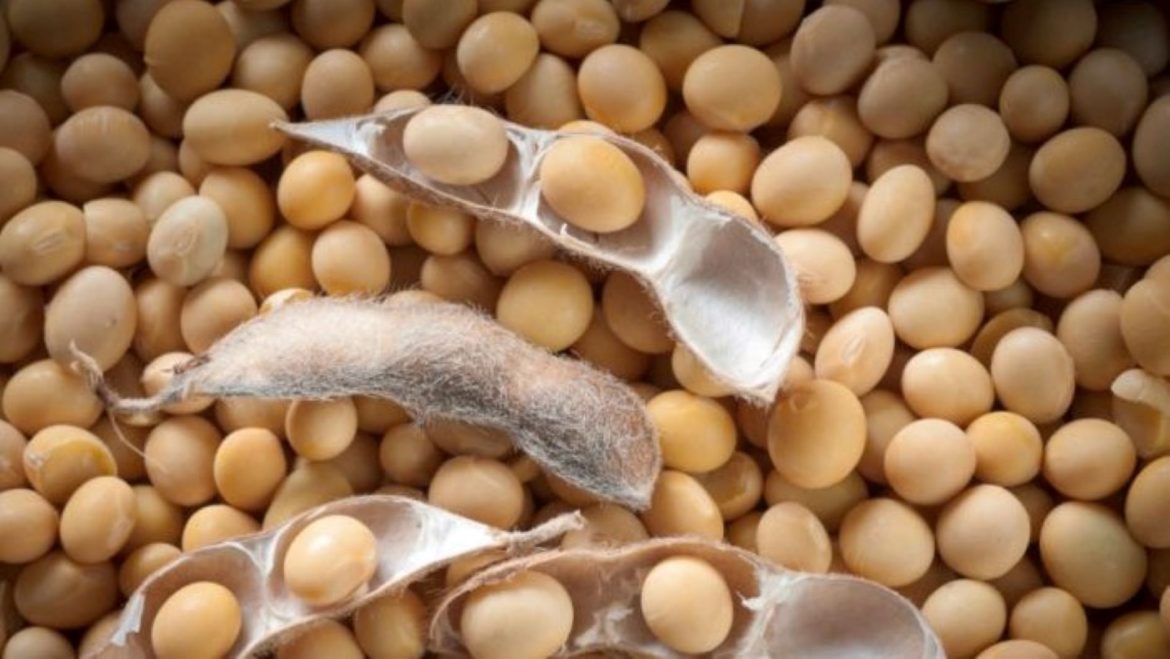
Researchers at the International Institute of Tropical Agriculture have begun operating a new soybean breeding facility in Zambia that is expected to cut years off the time needed to develop improved crop varieties, an advance that officials say could help farmers respond more quickly to disease outbreaks, shifting weather patterns and rising demand for livestock feed across Southern Africa.
The facility, inaugurated in late March, introduces a controlled breeding system designed to accelerate plant growth by regulating environmental conditions such as light, temperature and humidity. Under conventional breeding methods, developing improved soybean varieties can take between six and eight years.
Researchers involved in the programme estimate the new approach could reduce that timeline to roughly four to five years, allowing new seeds to reach farmers sooner.
The investment comes at a time when African governments are placing greater emphasis on domestic food production and agricultural resilience as climate variability disrupts planting cycles and global commodity markets remain volatile.
Soybean has become an increasingly important crop across sub-Saharan Africa due to its role in food processing, livestock feed and agro-industrial development, particularly in the poultry sector, which continues to expand in response to rising urban demand for affordable protein.
In Zambia, soybean production has grown steadily over the past decade, supported by both commercial farms and smallholder producers. The government has set a national target of producing one million tonnes of soybean annually by 2030, reflecting the crop’s growing importance to rural incomes and agro-processing industries. Achieving that target will depend not only on expanded acreage but also on improved seed varieties capable of delivering higher yields under changing climate conditions.
Agricultural scientists say one of the most persistent constraints facing farmers in Southern Africa is the spread of pests and diseases, including soybean rust, which can significantly reduce harvests. For many small-scale producers, the cost of chemical treatments and technical expertise required to manage outbreaks remains prohibitive. Developing disease-resistant and early-maturing varieties is therefore viewed as a practical way to reduce production risks and stabilise output.

Speed breeding technology is designed to address this challenge by compressing breeding cycles and enabling researchers to test multiple generations of crops within a single year. This approach allows scientists to identify desirable traits more quickly, including drought tolerance, disease resistance and improved nutritional value.
The new facility is the first dedicated soybean speed breeding center in sub-Saharan Africa and only the second of its kind on the continent, following a similar installation in North Africa focused on cereal crops. Its establishment reflects growing recognition among policymakers that investment in agricultural research infrastructure is essential for strengthening food systems and reducing reliance on imports.
Beyond research, the facility is expected to support regional seed systems by working with universities, national research institutes and private seed companies to develop and distribute improved crop varieties. Stronger seed systems are widely seen as a cornerstone of agricultural productivity, particularly in countries where access to certified seeds remains limited.
Economists note that improvements in seed development timelines can have broader fiscal implications. Faster adoption of high-yielding crop varieties can increase farm output, reduce food price volatility and limit the need for emergency food imports during poor harvest seasons. These factors are increasingly important as governments seek to manage public spending while maintaining food security.
Read also: Africa’s bold food system investments signal a new era of climate-resilient growth
Soybean production also contributes to soil health through nitrogen fixation, making it a valuable component of crop rotation systems that help maintain long-term land productivity. This ecological benefit has economic significance, as healthier soils reduce the need for costly fertilisers and support sustainable farming practices.
Development partners supporting the programme say the facility is intended to strengthen collaboration across the region by sharing research findings and breeding materials with neighbouring countries. Such cooperation is expected to improve resilience across regional food systems, particularly in areas where climate shocks can quickly disrupt supply chains.
Agriculture remains one of the largest sources of employment in many African economies, yet productivity levels continue to lag behind global averages. Investments in research, seed systems and agricultural technology are therefore increasingly viewed as essential components of economic development strategies.
For policymakers, the significance of the new breeding facility lies less in the technology itself than in its potential to shorten the gap between scientific research and farm-level results.
As climate pressures intensify and demand for food and animal feed continues to grow, the ability to deliver improved crop varieties more quickly is likely to become a critical factor in sustaining agricultural output and rural livelihoods across the region.