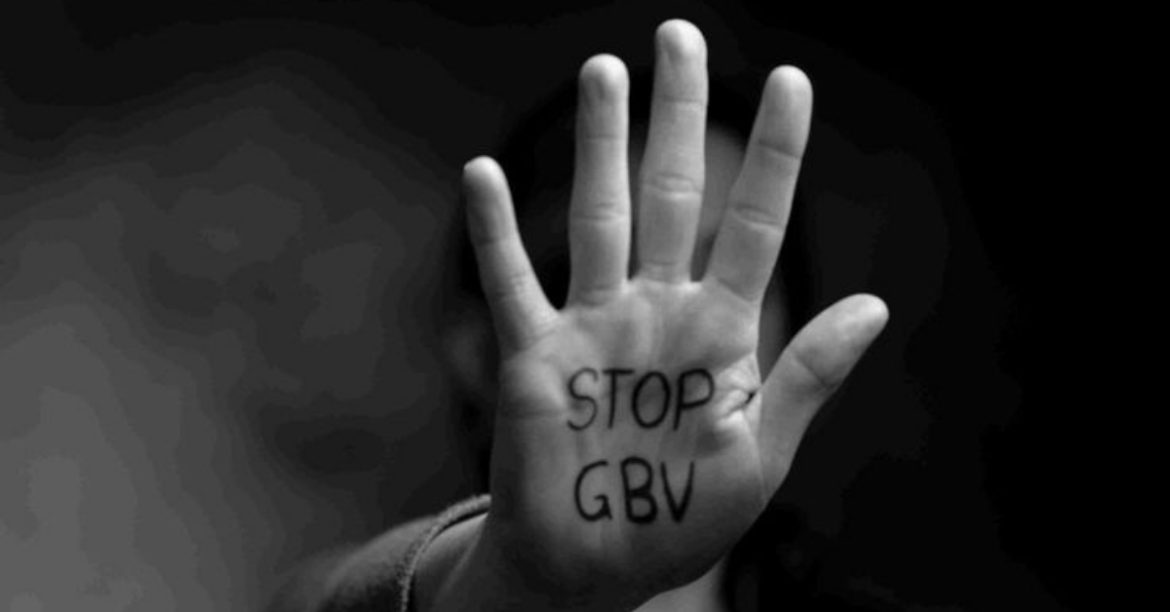
Kenya is facing a disturbing rise in gender-based violence (GBV), a crisis that has moved from isolated headlines to an urgent national conversation about safety, dignity, and the future of social sustainability. The country has been plunged into grief and anger as cases of femicide, intimate partner abuse, and sexual violence continue to unfold across communities, homes, workplaces, and public spaces. What is emerging is not only a pattern of individual violence but a deeper systemic breakdown that threatens the foundations of social stability and human development.

Kenyan women match in the streets of Nairobi, CBD calling out the government to take act on the rising number of GBV cases in November 2024. Image source: Al Jazeera
Few days ago, yet another case came into sharp public focus once again when social media erupted with the story of Doreen Kananu, a woman who was violently gang raped by a group of boda boda operators. Her ordeal was filmed by the perpetrators who laughed through the violation, turning an act of violence into a humiliation ritual. The incident shocked reactors and serves as a chilling reminder of how deeply dehumanizing violence against women has become in some pockets of society.
Concerns about the escalating violence are not new. On 2 October 2025, UNESCO issued a call to action highlighting the alarming increase in gender-based violence in Kenya. They reported that one 1 in 5 women is killed every day, a figure that reveals a 20% chance that any woman could lose her life through femicide. As the country now marks the annual 16 days of activism against GBV, the urgency of this crisis has never been clearer.
Evidence presented during a recent UN Women webinar reinforced the scale of the problem. Dr Dalmas Omia of the University of Nairobi shared preliminary findings from a study titled “Social Analysis of Femicide in Kenya”.

The study revealed that 40% of women in Kenya have experienced emotional, physical, or psychological abuse from intimate partners. It also found that 30% of women and 19% of men believe a husband is justified in beating his wife under certain circumstances. In addition, 34% percent of women aged fifteen to forty-nine have experienced physical violence. These numbers show how deeply rooted violent norms remain, and how a culture of silence and justification continues to enable them.
Such statistics point to more than interpersonal harm. They reveal a growing threat to social sustainability, which depends on the ability of people to live safely, participate equally, and thrive across generations. Social sustainability rests on the pillars of safety, equity, inclusion, and the well-being of all community members. When women and girls cannot move freely, access education, work safely, or express themselves without fear, the entire social system begins to erode.
Read also: New Kenya youth environmental awards open to support grassroots climate solutions
GBV weakens social sustainability in several ways. It undermines human capital by limiting women’s ability to work, create, innovate, and contribute to economic development. Survivors often face long-term trauma or health complications that affect their productivity and quality of life. The violence also deepens inequality by reinforcing patriarchal norms that silence women and normalize exclusion, making it harder for women to advance economically or socially.
Community trust and cohesion suffer as fear and trauma destabilize families and communities, often repeating cycles of violence across generations. The justice system, healthcare facilities, and social protection structures are strained by the rising cases, revealing institutional gaps that threaten public confidence and governance.
To understand how such violence persists, moral philosophy offers useful insight. Philosophers define a person through qualities such as sentience, consciousness, reasoning, self-motivation, communication, and the ability to recognize other persons. When perpetrators commit violence, they disregard these capacities in their victims. They deny the personhood and intrinsic value of women, reducing them to objects that can be controlled or harmed. This moral blindness mirrors another larger worldview: anthropocentrism.
In its strongest form, anthropocentrism holds that only humans have intrinsic value and that everything else exists for their use. In the same way that humans dominate nature, men who commit violence enact a similar domination over women. Their inability to see women as beings with independent worth helps explain the cruelty behind these acts.

As Kenya looks toward long-term solutions, global evidence offers clear guidance. Violence against women and girls remains pervasive worldwide despite decades of activism and reform. It is now well established that eliminating this violence is essential to achieving gender equality, women’s empowerment, and the Sustainable Development Goals.
Specialists agree that the only way to achieve elimination is through sustained prevention. Effective prevention requires political commitment and leadership, strong laws and policies that promote gender equality. Moreover, investment in women’s organizations, adequate resource allocation for prevention efforts, and the dismantling of the many layers of discrimination women face every day.
One of the most comprehensive and widely adopted tools for guiding prevention is the RESPECT Women framework developed by the World Health Organization and UN Women in collaboration with ten international agencies. The framework is grounded in the principles of equality and respect and draws from global evidence on what works to stop violence before it occurs and prevent it from recurring. It provides a detailed guide for policymakers and implementers on designing, planning, monitoring, and evaluating initiatives aimed at preventing and responding to violence against women.
The RESPECT framework outlines seven interconnected strategies represented by each letter of the word respect. These include strengthening relationship skills, empowering women, ensuring services are available, reducing poverty, creating safe environments, preventing child and adolescent abuse, and transforming attitudes, beliefs, and norms. What underpins this approach is the recognition that ending violence begins with a shared commitment to respect and a collective decision to act.
The rise in GBV matters now more than ever because Kenya is at a pivotal point. Young people, activists, and women’s movements are pushing against the culture of silence that has long protected perpetrators. Yet without coordinated and systemic interventions, the country risks normalizing violence as a permanent feature of daily life. No society can claim sustainability when violence is woven into its social fabric.
Addressing GBV is not an issue for women alone. It is a national responsibility and a long-term investment in the country’s future. Preventing violence protects human dignity, strengthens communities, supports economic development, and upholds the values needed for social harmony. A sustainable Kenya is one in which everyone, regardless of gender, can live free from fear and participate fully in shaping the country’s progress.