


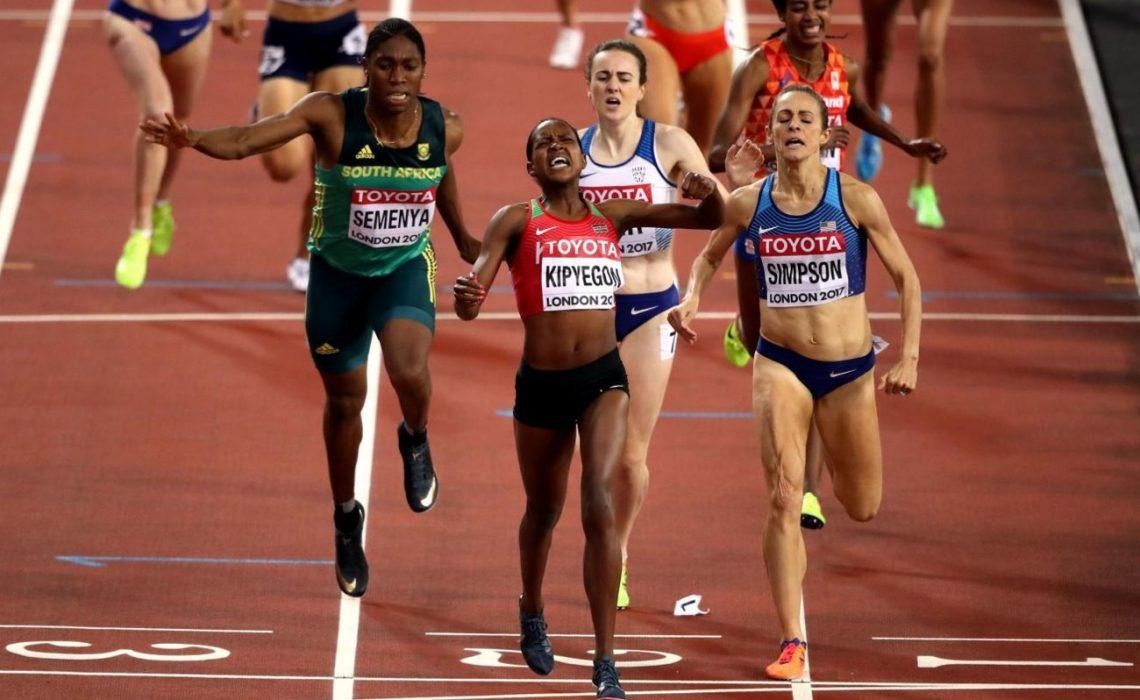
Sports news tends to air last in most news broadcasts. Our heroes are only prominently featured if there are medals and jackpots involved. Sports coverage in Kenya is mostly assigned to programs that run during the weekends such as ‘THE SCORE” by Radio Africa. There are sport exclusive channels such as Kwese sports but their numbers are dismal. The value adds that sports bring to the national economy is not fully recognized in Kenya. More so female sports compared to their male companions
The first time female athletes took part in modern Olympic games was in 1900. In the second Olympic games, only 12 female athletes participated out of the 1066 athletes from 19 countries. Today’s women have made a name for themselves in the sports world- Serena Williams, Dutee Chand, Portia Modise, Brigid Kosgei, Caster Semenya and Maria Mutola. It is without a doubt that sports are a huge potential to women empowerment. African women, in particular, have made a name for themselves in the athletic world. Derartu Tulu was the first African black female athlete to win an Olympic title. When Kenyan, Brigid Kosgei and Vivian Cheruiyot garnered gold and silver respectively in the recent London marathon, there was an uproar on social media platforms. All sort of memes were created and shared. Some described the rest of the athletes as chasing the two ladies while they were running.
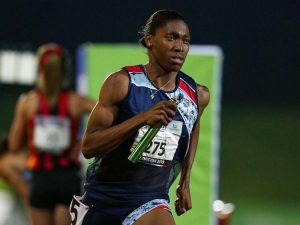
Figure 2Figure 1caster Semenya. image source: abcnews.go.com
However, there could be a possible threat. What does the future of sports hold for women? Caster Semenya, a South African double champion and triple champion in the 800 distance lost her appeal against the International Associations of Athletics Federations (IAAF) on testosterone regulations. This reminded me of the allegorical novella by George Orwell, with “The pigs who were an outstanding character came up with commandments for the rest to follow”. In the case of the IAAF ruling, “all animals are equal but some are more equal.”
Based on the scientific knowledge of genes and anatomy, mundane defined as binary “male” or “female.” This has been a clear way of categorizing women and men who participate in sports. However different people have different sex developments compared to others. Some have higher testosterone levels compared to others thus giving them an ‘advantage’ when it comes to sports.
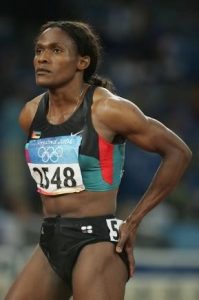
Figure 3maria Mutola. image source: zimbio.com
In Africa, women with high testosterone levels have in the past competed in athletics championships such as Maria Mutola popularly known as Maputo express from Mozambique. Going by the ruling Semenya will have to take medication reducing her testosterone levels if she wants to participate in events between 400m and a mile. This will have an effect on the women taking part in sports. We have heard of athletes taking drugs to have an advantage such as Marion Jones but not taking drugs ‘to lose.’
But what are the long term effects? Regulation of participation of women with differences of sex development will stigmatize women athletes by labeling, categorizing and eventually excluding them without scientific evidence or ethical consideration. The complexity of gender revolving around genes, anatomy, hormones, and biology cannot be simply classified with a binary definition of male or female. This will lock out any potential athletes who relate to Caster Semenya’s situation. Sports gives women a voice, empowers them and at the same time generates income for countries. Regulating the bodies of some because they seem like a ‘threat’ to the competition is like asking the tallest basketball players in a game to kneel so as to level with the rest.
Women participation in sports is a pathway to sustainable sports in Africa but if being different is enough to exclude you or force you to make changes within your body then positive impacts of sports in women will soon be a phrase we cannot relate to. IAAF should seek other alternative solutions in the name of fairness and equality.


